Pet First | 5 Possible Reasons Why Your Dog Keeps Shaking Its Head
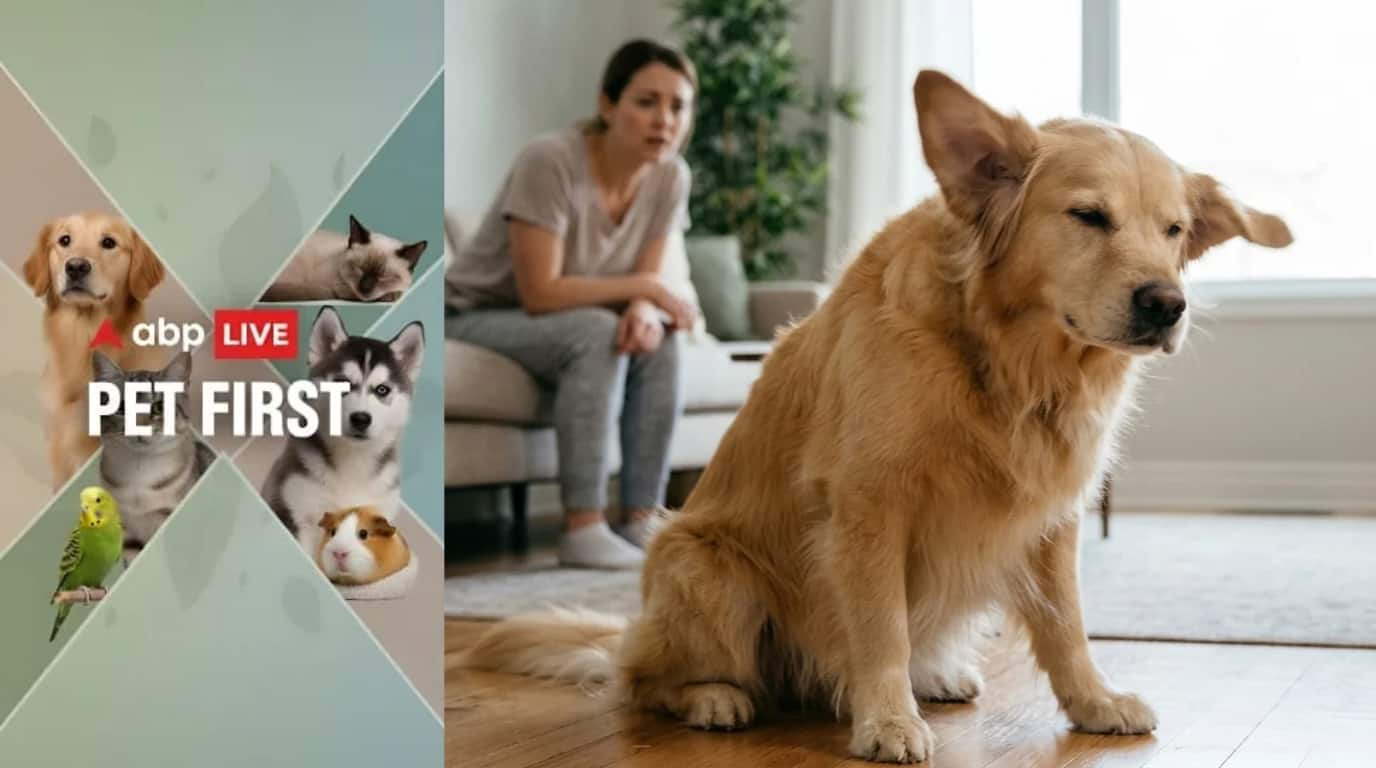
Dogs occasionally shake their heads to get rid of water, dirt or something irritating their ears. However, if your dog keeps shaking its head repeatedly, it could be a sign of an underlying health problem that needs attention.
Frequent head shaking is often associated with ear infections, allergies, ear mites or something trapped inside the ear canal. While some causes may be minor, ignoring the symptoms can lead to discomfort and further complications.
5 possible reasons why your dog keeps shaking its head and when pet parents should consider visiting a veterinarian.
1. Ear Infections
Ear infections are among the most common reasons why dogs repeatedly shake their heads. They can develop due to bacteria, yeast or excessive moisture inside the ear canal.
Along with frequent head shaking, your dog may scratch its ears, rub its head against furniture or show signs of redness, swelling and an unpleasant smell coming from the ears.
If you notice these symptoms, consult a veterinarian. Depending on the cause and severity, treatment may include prescribed ear drops or medication.
2. Ear Mites
Ear mites are tiny parasites that can live inside a dog's ear canal and cause irritation. They are more common in puppies and dogs that have been in close contact with infected animals.
A dog suffering from ear mites may shake its head frequently and scratch its ears excessively. You may also notice dark, crumbly discharge that resembles coffee grounds.
A veterinarian can examine the ears and confirm whether mites are responsible. Appropriate medication is required to treat the infestation.
ALSO READ | Pet First | Can Cats Get Cancer? Know The Common Types, Warning Signs And Treatment Options
3. Allergies
Just like humans, dogs can also develop allergies to certain foods, environmental factors such as pollen and dust, or other substances.
Allergic reactions can cause inflammation and itching around the ears, making dogs shake their heads or scratch frequently.
Other symptoms may include red skin, excessive licking of the paws, rashes and recurring ear problems. Identifying the allergen is important to manage the condition and prevent repeated discomfort.
4. Something Stuck Inside The Ear
Sometimes, a small foreign object such as grass seeds, dirt or other debris can enter a dog's ear canal and cause irritation.
If something gets trapped inside the ear, your dog may suddenly start shaking its head, tilting it to one side or pawing at the affected ear.
This can be particularly concerning after outdoor walks or playtime in grassy areas. Do not try to remove a deeply lodged object yourself, as it could cause further injury. Take your dog to a veterinarian for an examination.
5. Ear Injury Or Inflammation
Injuries, excessive scratching or inflammation around the ear can also cause repeated head shaking. Sometimes, vigorous head shaking itself can damage small blood vessels inside the ear flap, leading to a condition called an aural haematoma.
This can cause the ear flap to become swollen, soft and filled with blood.
If your dog's ear appears swollen, painful or unusually warm, seek veterinary attention. Early treatment can help prevent further complications.
When Should You Take Your Dog To The Vet?
Occasional head shaking is generally normal, but repeated or persistent shaking should not be ignored. Pet parents should watch for additional warning signs, including:
- Persistent scratching or rubbing of the ears.
- Redness, swelling or discharge from the ear.
- An unpleasant smell coming from the ears.
- Head tilting or loss of balance.
- Whining or signs of pain when the ears are touched.
- Swelling of the ear flap.
If your dog suddenly develops severe head shaking, appears disoriented or has difficulty maintaining balance, seek veterinary care promptly.
ALSO READ | Pet First | Blood In Cat Urine: 5 Warning Signs Every Pet Parent Should Watch For
How Can Pet Parents Help Prevent Ear Problems?
Regular ear checks can help pet parents identify potential problems before they become serious. Keep your dog's ears clean and dry, particularly after bathing or swimming.
Avoid inserting cotton buds or sharp objects into the ear canal. Do not use human ear drops or home remedies without consulting a veterinarian.
Most importantly, do not ignore repeated head shaking. Understanding the possible cause and seeking timely veterinary advice can help keep your dog's ears healthy and comfortable.
[Disclaimer: The information provided in this article is intended for general informational purposes only. It is not a substitute for professional veterinary advice, diagnosis, or treatment. Always consult a qualified veterinarian regarding your pet’s health, diet, or any medical concerns.]
This content is published by ABP Live - Lifestyle and has not been created or edited by Hello Headlines. View original