Pet First | Feline Leukaemia in Cats: Symptoms, Transmission, Treatment and Prevention Explained
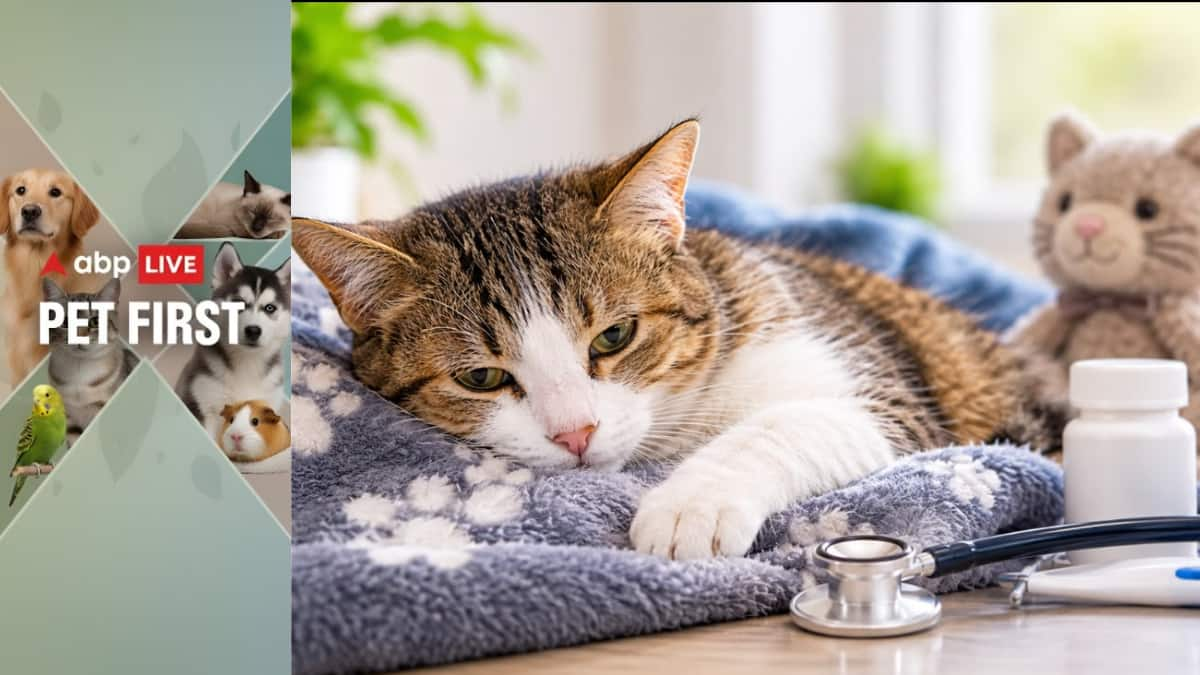
Feline leukaemia virus (FeLV) is a serious infection that can affect a cat’s immune system, blood cells, and overall health. It is also linked to certain cancers, including lymphoma and leukaemia, making early detection important. The virus spreads between cats through close contact, grooming, bites, and, in some cases, shared resources. Although some cats can fight off the infection, others may carry the virus or develop progressive disease. Knowing how FeLV spreads, recognising its warning signs and understanding available tests can help owners make informed decisions about their pet’s health and reduce the risk of transmission.
What Is Feline Leukaemia Virus (FeLV)?
Feline leukaemia virus, commonly known as FeLV, is a contagious retrovirus that affects domestic cats. According to the Cornell Feline Health Center, it is among the most common infectious diseases in cats in the United States, affecting around 2% to 3% of the feline population.
FeLV weakens a cat’s immune defences, leaving it more vulnerable to infections that a healthy immune system would usually control. It can also interfere with blood cell production and increase the risk of anaemia. The virus is a leading cause of cancer in cats and is associated with conditions such as lymphoma and leukaemia. However, not every infected cat develops severe illness. The outcome depends largely on how the animal’s immune system responds to the virus.
The 2020 Feline Retrovirus Testing and Management Guidelines from the American Association of Feline Practitioners (AAFP) identify three main types of FeLV infection:
Abortive infection: Some cats successfully eliminate the virus after exposure through their immune response. These animals do not develop a persistent infection and are generally not considered contagious.
Regressive infection: In these cases, the immune system controls the infection and clears the virus from the bloodstream, although viral material remains in the bone marrow. The virus can sometimes become active again, particularly if immunity is weakened.
Progressive infection: Cats with progressive FeLV infection cannot effectively control the virus. They may develop persistent infection, shed the virus, and experience worsening health problems. The AAFP guidelines report that approximately 85% of cats with progressive infection die within three years of diagnosis.
ALSO READ | Pet First | 5 Possible Reasons Why Your Dog Keeps Shaking Its Head
How Does FeLV Spread And What Are The Symptoms?
FeLV passes from infected cats to uninfected cats through bodily fluids, including saliva, blood, nasal secretions, tears, milk, urine and faeces. Close contact is a common route of transmission. Bite wounds, mutual grooming, and sharing food or water bowls can expose cats to the virus. Mother cats may also pass FeLV to their kittens during pregnancy or nursing. Infected cats can spread the virus even when they look perfectly healthy.
The infection does not affect humans, dogs, or other non-feline pets. According to veterinary guidance, FeLV transmission is restricted to cats. Kittens and young adult cats are particularly vulnerable, although cats of any age can become infected. Outdoor cats, animals living in shelters or multi-cat households, and those regularly mixing with unfamiliar cats face a greater risk.
ALSO READ | Pet First | 6 Festive Home Decoration Safety Tips To Keep Dogs And Cats Safe
Common Symptoms Of Feline Leukaemia
Signs may not appear immediately. Some infected cats remain apparently healthy for months or even years before developing noticeable problems. Symptoms can also disappear temporarily before returning.
Watch for the following changes:
Persistent tiredness and reduced activity
Weight loss and an untidy coat
Reduced appetite or refusal to eat
Repeated fever
Pale gums, which may indicate anaemia
Ongoing diarrhoea
Yellowing of the skin, gums or eyes
Swollen lymph nodes
Breathing difficulties
Frequent respiratory, urinary or skin infections
Mouth inflammation, including stomatitis
Eye disorders and neurological changes
Seizures or unusual behaviour
Reproductive problems, including infertility and pregnancy loss
Cats with advanced disease may experience several of these problems simultaneously. Owners who notice recurring symptoms should arrange a veterinary examination rather than waiting for the condition to worsen.
FeLV Testing, Treatment And Prevention
Veterinarians can use several tests to identify feline leukaemia. The most commonly used initial screening method is the enzyme-linked immunosorbent assay (ELISA), which detects the FeLV P27 protein in a blood sample.
The in-clinic test usually provides results within minutes and can identify infection before obvious symptoms develop. However, testing too soon after exposure can produce a negative result. The AAFP recommends repeating the test at least 30 days after a possible exposure when an early negative result cannot reliably rule out infection.
If the initial screening is positive, further testing may be necessary. Depending on the circumstances, a veterinarian may recommend:
Polymerase chain reaction (PCR): Detects viral genetic material and helps identify infection.
Immunofluorescent antibody assay (IFA): Identifies viral proteins in white blood cells and can help assess whether infection has progressed.
Virus isolation: Provides another method of detecting the virus.
A positive screening result does not always mean a cat has progressive infection. Additional testing and follow-up examinations help establish the infection status.
Treatment And Everyday Care
There is currently no definitive cure for FeLV. Treatment focuses on managing symptoms, controlling secondary infections and maintaining the cat’s quality of life. The AAFP recommends regular veterinary monitoring for infected cats. Helpful measures include:
Keeping vaccinations and parasite prevention up to date.
Maintaining an indoor lifestyle to reduce exposure to infections.
Scheduling veterinary health checks every six months.
Arranging regular blood tests to monitor health changes.
Spaying or neutering to prevent reproduction and reduce fighting.
Monitoring appetite, weight, behaviour and activity levels.
Checking the mouth and eyes for inflammation or unusual changes.
Some cats may also benefit from antiviral medication. Zidovudine (ZDV), also known as azidothymidine (AZT), is one option veterinarians may consider. According to the AAFP guidelines, it can be particularly useful in certain cats experiencing stomatitis or neurological symptoms. Its suitability should always be assessed by a vet.
Protecting Other Cats From Infection
Keeping FeLV-positive cats away from uninfected cats is the most reliable way to prevent transmission. If one cat in a multi-cat household tests positive, all other cats should be tested as well. Where possible, infected and uninfected cats should live separately. Separate food and water bowls and litter trays can help reduce exposure, although close contact remains the greater concern.
Any newly adopted cat should be tested before being introduced to resident cats. Stray cats with an unknown medical history should also remain separated until their FeLV status is established.
A vaccine is available to help protect cats against FeLV. The AAFP recommends an initial two-dose vaccination series for kittens, starting from eight weeks of age, with doses given three to four weeks apart. A booster is recommended one year later, followed by further vaccination based on the cat’s individual risk.
The vaccine is not completely protective, and cats should be tested before vaccination. Indoor cats with no exposure risk may not need ongoing boosters, while outdoor cats may benefit from annual or every-other-year vaccination. Owners should discuss the appropriate schedule with their vet.
Feline leukaemia can have serious consequences, but an FeLV-positive diagnosis does not automatically mean a cat will become seriously ill straight away. Regular testing, appropriate veterinary care and sensible precautions can make a significant difference. Keeping cats indoors, checking their FeLV status, and preventing contact between infected and uninfected animals are important steps towards protecting feline health.
This content is published by ABP Live - Lifestyle and has not been created or edited by Hello Headlines. View original