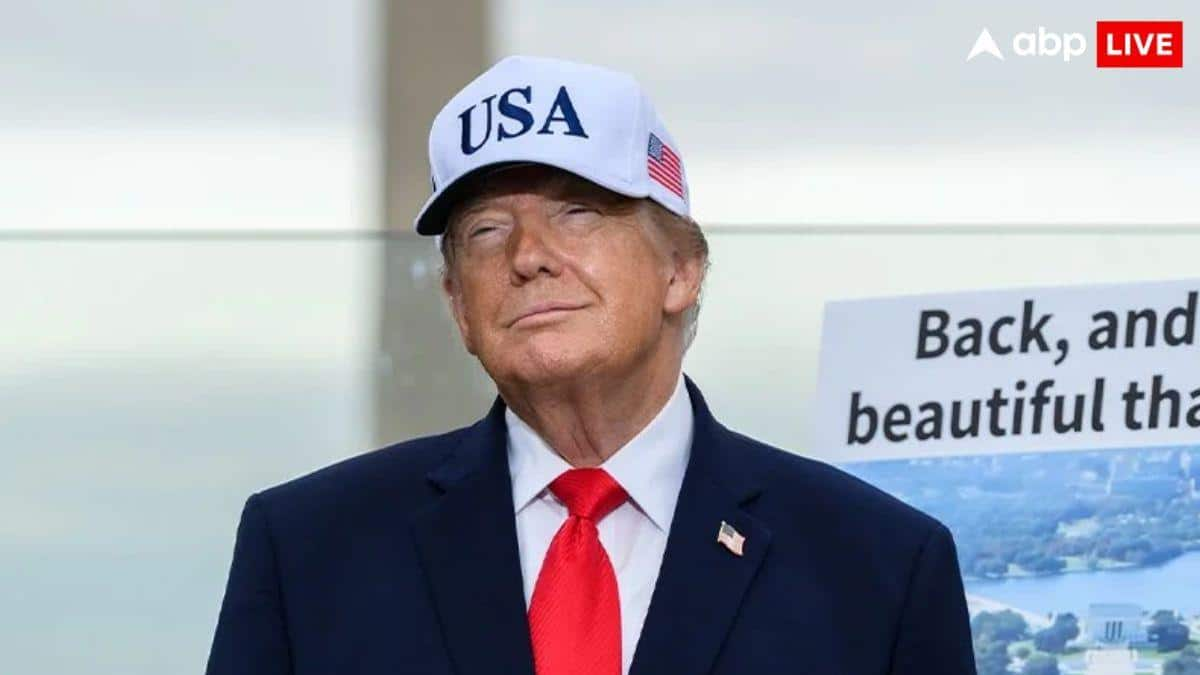
US Midterm Elections: Democrats Win Both Houses Of Congress, What It Means For Trump's Presidency
The Democratic Party has secured control of both chambers of the United States Congress after a series of victories in the 2026 midterm elections, dealing a setback to President Donald Trump and his Republican Party. Democrats flipped several Senate seats in traditionally Republican states and crossed the 218-seat threshold in the House of Representatives, according to the Associated Press.
While some contests remain undecided, the results are expected to reshape the final two years of Trump’s presidency, giving Democrats greater power to scrutinise his administration and challenge his legislative agenda.
According to Al Jazeera, Democrats secured at least 53 Senate seats and were leading in three others in the 100-member chamber. Their victory in the House, confirmed by the Associated Press, gives the party control of both chambers of Congress.
Senate Upset
Democrats overturned several Republican-held seats, including in states where the party had struggled to win for decades.
In Texas, James Talarico defeated Republican Ken Paxton, marking the first Democratic victory in a statewide election in the state in 32 years. Adam Hamilton defeated Republican Roger Marshall in Kansas, where Democrats had not won a Senate seat since 1932.
Other significant victories included Roy Cooper in North Carolina, Josh Turek in Iowa, Annie Andrews in South Carolina and Sherrod Brown in Ohio. Abdul El-Sayed also claimed victory in Michigan, potentially becoming the first Muslim senator in the US.
What Power Do Democrats Have?
Control of Congress gives Democrats greater authority over legislation, government spending and investigations into the Trump administration.
A Democratic-controlled Senate can block presidential nominations, including appointments to the Cabinet and federal judiciary. Party members will also chair key committees, allowing them to summon witnesses, demand documents and launch investigations.
However, advancing legislation could remain difficult, as Trump retains presidential veto powers. Democrats would need a two-thirds majority in both chambers to override a veto.
Also Read: Abdul El-Sayed Set To Become First Muslim US Senator After Michigan Win
Can Democrats Challenge Trump?
Al Jazeera reported that Democrats are expected to use their congressional majority to investigate the administration and scrutinise potential conflicts of interest involving Trump and his allies.
They could also examine the administration's handling of the war on Iran and attempt to restrict additional military funding. However, such efforts would depend on party unity and the ability to secure sufficient support.
What About Cost Of Living?
Democrats have also promised to focus on rising living costs, healthcare expenses and economic concerns.
Their proposals include restoring healthcare subsidies, reversing certain spending cuts and challenging Trump's tariffs. However, implementing these measures could prove difficult without bipartisan support or the ability to overcome a presidential veto.
The election results give Democrats significant oversight powers, but translating their electoral gains into policy changes will be their next challenge.
This content is published by ABP Live - World and has not been created or edited by Hello Headlines. View original