Iran allows Indian ships through Hormuz under special exemption
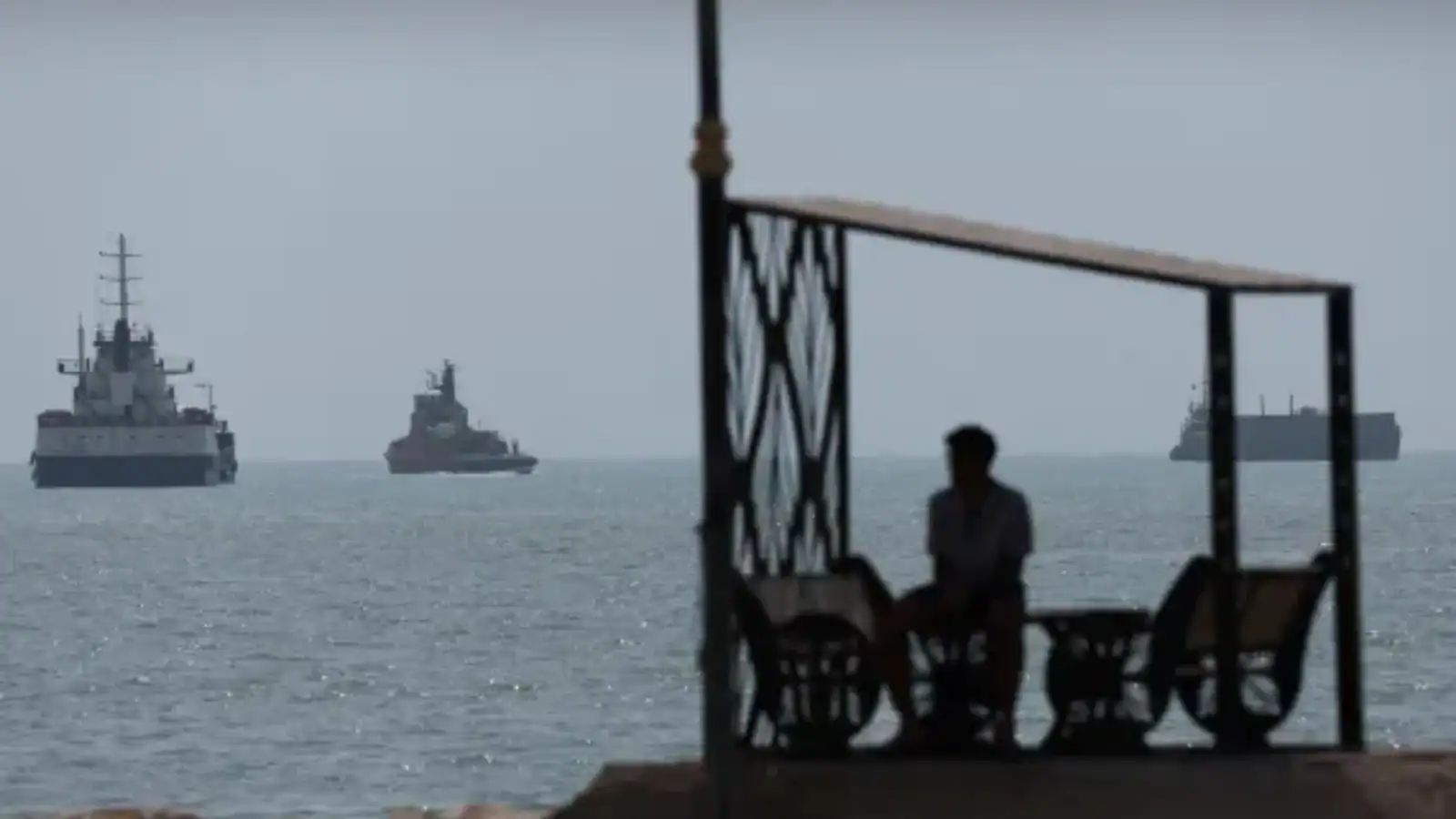
Tehran: Iran has allowed ships from India, China, Iraq and Qatar to transit the Strait of Hormuz without being subject to its wider shipping restrictions, according to a senior Iranian lawmaker.
Anadolu Agency reported the development, citing the Iranian Students’ News Agency (ISNA), which quoted Amir Hayat Moqaddam, deputy chairman of the Iranian parliament’s National Security and Foreign Policy Committee, on Tuesday, November 3.
“We have currently exempted India, China, Iraq and Qatar from transit restrictions in the Strait of Hormuz. Ships from these countries pass freely, and the Americans do not intercept them either,” Moqaddam said.
Explaining Tehran’s decision, he said the arrangements were intended to serve Iran’s interests. The passage granted to Indian vessels would facilitate medicine imports from India, while the exemption for Chinese ships was aimed at obtaining political support from Beijing.
Moqaddam said Indian and Chinese ships were required to pay transit fees, whereas Qatari vessels could cross the waterway without charges. He did not provide details about the fee arrangements for Iraqi ships.
Why the exemption matters to India
The decision has implications for India’s energy security, given its reliance on the Strait of Hormuz for supplies from the Gulf.
India sources nearly 90 per cent of its crude oil requirements through imports. Around 30 per cent of these shipments currently pass through the strait, compared with about 70 per cent previously.
New Delhi has reduced its dependence on the route by diversifying suppliers, including increasing purchases from Russia, the United States, West Africa and Fujairah in the UAE.
Despite this shift, the waterway remains particularly important for India’s gas supplies. Nearly 90 per cent of its liquefied petroleum gas (LPG) imports and more than half of its liquefied natural gas (LNG) purchases from Qatar and the UAE are transported through the strait. It also serves as a key route for fertiliser imports.
Attacks on ships leave Indian sailors dead
The maritime crisis has also taken a toll on Indian seafarers, with several commercial vessels carrying Indian crew members coming under attack in the region.
Three Indian sailors were killed when the Palau-flagged tanker MT Settebello was attacked off Oman’s coast in June. Another Indian seafarer died when the vessel MV Cape Dao was attacked near Oman in September.
In October, 11 Indian crew members were injured after the Panama-flagged commercial vessel MT On Peace was hit by a projectile while transiting the Strait of Hormuz.
In the latest incident, one Indian sailor was killed after the Indian-crewed vessel MSV Al Jusufi was struck by an unidentified aerial object near Limah, Oman, on November 2. The remaining 13 Indian crew members were rescued by Omani authorities.
As of Wednesday, November 4, 15 Indian seafarers had been killed in the West Asia conflict, according to reports citing official figures.
Iran’s restrictions on Hormuz shipping
Iran tightened controls over maritime traffic following US-Israeli strikes on February 28, 2026, and announced the closure of the Strait of Hormuz on March 2. The move disrupted commercial shipping, with several operators suspending or rerouting voyages amid security concerns.
Although some vessels continued to cross, access to the waterway remained subject to restrictions and arrangements with Tehran.
A ceasefire between Washington and Tehran was reached in April, but hostilities resumed in July after diplomatic efforts to resolve the conflict faltered. The Strait of Hormuz, which lies between Iran and Oman, links the Persian Gulf with the Gulf of Oman. It is a vital international shipping corridor through which substantial volumes of global oil and gas supplies are transported.
Get the latest updates in Hyderabad City News, Technology, Entertainment, Sports, Politics and Top Stories on WhatsApp & Telegram by subscribing to our channels. You can also download our app for Android and iOS.
This content is published by The Siasat Daily and has not been created or edited by Hello Headlines. View original