Sanjeev Sanyal highlights new NCERT chapters on personal finance and startups
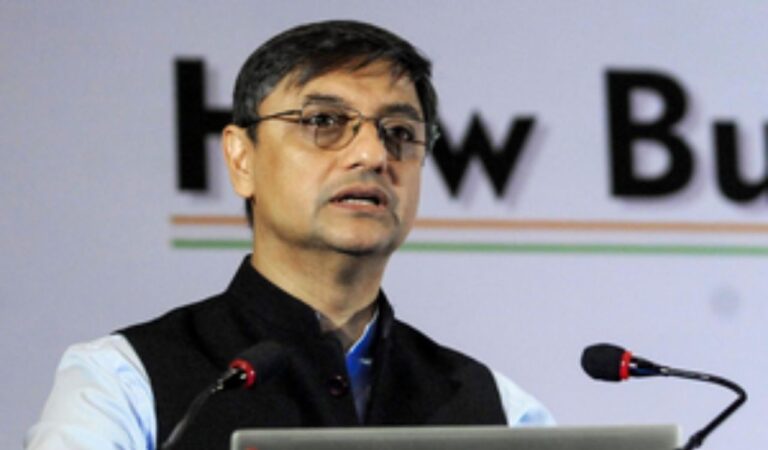
New Delhi: The latest edition of NCERT Social Science textbooks for Class 9 has introduced dedicated chapters on personal finance and entrepreneurship. These additions, highlighted by Sanjeev Sanyal, Member of the Economic Advisory Council to the Prime Minister, aim to equip students with practical financial knowledge and entrepreneurial skills from an early age.
Sharing photographs of the textbook pages on X, Sanyal wrote: “The economics segment of the recently introduced NCERT textbooks for Social Science (Grade 9, Part 2) now has a chapter on personal finance. Students are taught the basics of fixed deposits, mutual funds, EMIs, taxes, risk-return and so on. The idea is to provide them with useful life skills.”
The textbook introduces Chapter 5, titled ‘Managing Your Personal Finances’, which explains the importance of understanding money management and making informed financial decisions.
The chapter introduces students to key aspects of personal finance, including saving, investing, protecting assets and paying income tax. It also encourages them to reflect on how they manage money received as pocket money or gifts, whether they spend it, save it or set it aside for future needs.
Emphasising that financial planning should begin early, the chapter explains how money management becomes increasingly important as individuals grow older and take on greater financial responsibilities.
Students are encouraged to understand their financial goals and risk tolerance before making investment decisions.
The textbook also explains taxation, describing taxes as compulsory payments made to the government to finance public services. It introduces the two broad categories of taxes — direct taxes, such as income tax, and indirect taxes, such as the Goods and Services Tax (GST).
The section on personal income tax explains that individuals earning above a specified income threshold are required to pay tax, while those below the prescribed limit are exempt.
In another post on X, Sanyal highlighted Chapter 6, titled ‘From Ideas to Startups’, which focuses on entrepreneurship and introduces students to the fundamentals of starting and managing a business.
“There is also a chapter on entrepreneurship in the Grade 9 Social Science Part 2. It explains the basics of a profit and loss account, business plans and so on. Most importantly, it presents risk-taking, innovation and business as positive activities — quite different from how previous textbooks portrayed them (with emphasis on ‘hoarding’ and ‘black markets’),” he wrote.
Sanyal also shared photographs from the chapter, drawing attention to its focus on business planning, innovation, risk-taking and entrepreneurial activities.
Encouraging readers to explore the new material, he shared a link to the NCERT textbook and said: “Those interested can go through the chapters for themselves.”
This content is published by Telangana Today and has not been created or edited by Hello Headlines. View original