Sarva Suvidhaen: Bihar Startup Is Using AI and IoT to Make Indian Railways Smarter

India’s railway network is one of the largest and most complex public infrastructure systems in the world. Every day, thousands of trains, millions of passengers, freight transportation, stations, tracks, and field teams operate simultaneously. In such a system, even a small delay can have an impact across multiple levels.
Sometimes, reports from the field do not arrive on time. In some cases, data remains scattered across different systems. At times, officials are unable to obtain real-time information about a situation. In such circumstances, technology is no longer just a means of speeding up work; it becomes an important part of better governance and decision-making.
The Bihar-based startup Sarva Suvidhaen is working in this space. The company is developing solutions for railways and other large infrastructure systems with the help of artificial intelligence (AI), the Internet of Things (IoT), computer vision, and software.
The company was founded by Atul Anand and Srishti. Both have different professional backgrounds, but during the lockdown, they observed a common problem closely. While working from home in Patna, they recognised the need for better data, automation, and real-time monitoring in certain processes of Indian Railways.
This led to the idea of a startup that could use technology to solve ground-level problems in public infrastructure rather than limiting its applications to private companies.
YourStory recently spoke with Atul Anand, CTO (Chief Technology Officer) of Sarva Suvidhaen. He spoke in detail about the company's beginnings, the experience of entrepreneurship in Bihar, the AI and IoT solutions developed for railways, the challenges involved, and future plans.
Atul Anand's story began at a Hindi-medium government school in Bihar. He completed his matriculation through the Bihar Board in 2005. He then pursued his intermediate education at Patna Science College between 2005 and 2007.
He went on to earn a BTech in Computer Science and Engineering from NIT Trichy. After that, he worked in software development roles at companies such as Oracle, BEL, CLS, KPI Partners, IQuanti, and SpotOn.
Srishti began her schooling at the School of Creative Learning. She completed her Class 12 education through the BSEB. She then pursued a BBM from Magadh University and an MBA from Uttarakhand Technical University. She worked at SPVR and Co, Randstad, and Cognizant.
Both had different experiences. Atul had experience in technology and software development, while Srishti had experience in business, management, and operations. This difference later became the company's strength.
Atul explains, “After working in the software development sector for more than 12 years, I felt that the use of technology should not be limited to the needs of companies alone. Our country's large public systems also need it. Srishti encouraged me to think in this direction. We decided to use our technical understanding to work on problems that affect public services and ordinary people.”
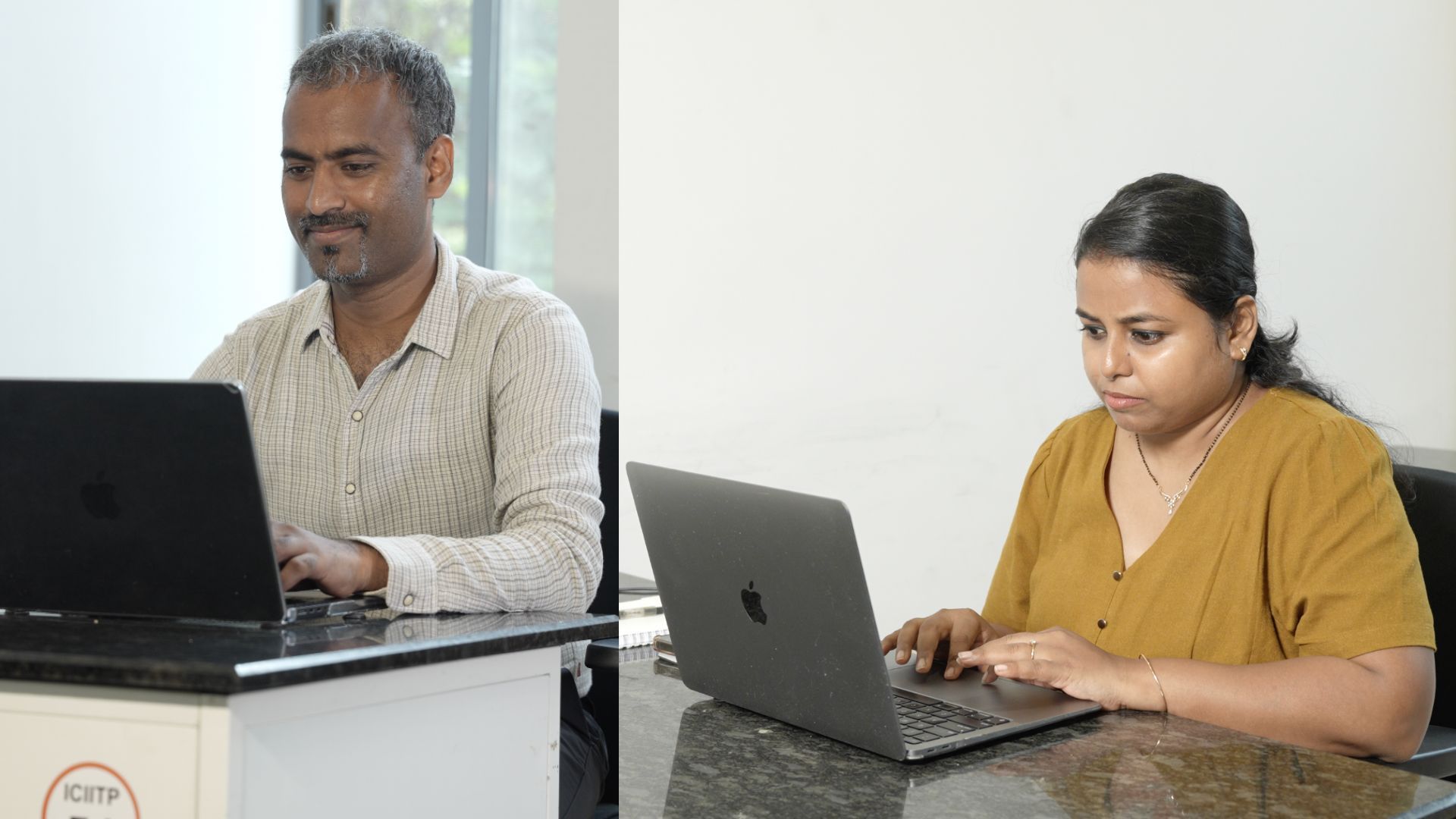
The Idea Emerged During the Lockdown
During the lockdown, both were working from home in Patna. During this period, they began looking closely at the everyday processes of Indian Railways. They felt that data, field reporting, and monitoring across such a large network could be made more organised. This was particularly relevant to processes that require information to be collected from different locations and decisions to be made based on it.
Srishti encouraged Atul to use his technical background in this direction. Together, they began exploring ways to connect machine learning (ML), IoT, and software with public infrastructure challenges.
Sarva Suvidhaen focuses on organisations where operations are spread across multiple locations. In such systems, manual reporting and limited data visibility can slow down the decision-making process.
The company operates on a B2B and B2G model. This includes developing software and IoT solutions, along with their deployment, consultancy, and maintenance.
Atul says, “We did not start with a large market study. While living in Patna during the lockdown, we observed some real-world problems. We felt that technologies such as machine learning and IoT could help us understand and solve these problems. I took responsibility for technology, while Srishti worked on the business and operations side. In this way, our respective roles gradually became clear, and Sarva Suvidhaen's work progressed.”
Also Read From Homemade Badi to GomatiRoots: Shital Kumari Secures Funding
Making Indian Railways Smarter
The startup has developed several solutions to digitise field operations for Indian Railways. One of these is WagonEye, an AI- and computer vision-based platform. It is used to identify potential defects in the body and undergear of freight and passenger train wagons. In a large network such as the railways, identifying potential problems on time can be important for both safety and operations.
In addition, RailOps is a digital operations platform. It enables railway teams to record and monitor field activities.
SwachhDNR is a web and mobile platform. It has been deployed in the Danapur division, which includes Patna Junction, as well as the Sealdah and Jhansi divisions. It is used to track and assess employee performance.
Through these solutions, the company's effort is to make field data available in digital form and connect it with the decision-making process.
Atul explains, “Our focus is not limited to developing software. We want technology to work where the actual problem exists. Conditions in railway field operations are not always the same. Therefore, it is important for AI models and IoT systems to function reliably in real-world environments. Solutions such as WagonEye, RailOps, and SwachhDNR have been developed with this approach in mind. Our goal is to convert data into information that can support better decision-making at both the field and management levels.”
Funding from Startup Bihar and Google Cloud
Sarva Suvidhaen started through bootstrapping. This means the founders did not take funding from any external investors initially. Both used their personal savings and the earnings from their initial projects.
Later, they received Rs 10 lakh in funding from Startup Bihar. They also received incubation support from IIT Patna and STPI. In addition, the company received Rs 1 crore in credits from Google Cloud. These resources were used to build and scale its AI and IoT infrastructure.
According to the company, it has received a total of Rs 32 lakh in government assistance. In addition, it has raised Rs 60 lakh in external equity funding from two investors.
The experience of working with government institutions gave Sarva Suvidhaen an opportunity to understand several important aspects of business. Large government organisations follow established rules and procedures for procurement. Therefore, building trust and establishing a strong track record are essential when introducing new technology. At the same time, pilot projects and real-world field environments are highly useful for improving deep-tech solutions. These experiences helped the company make its solutions more practical and reliable.
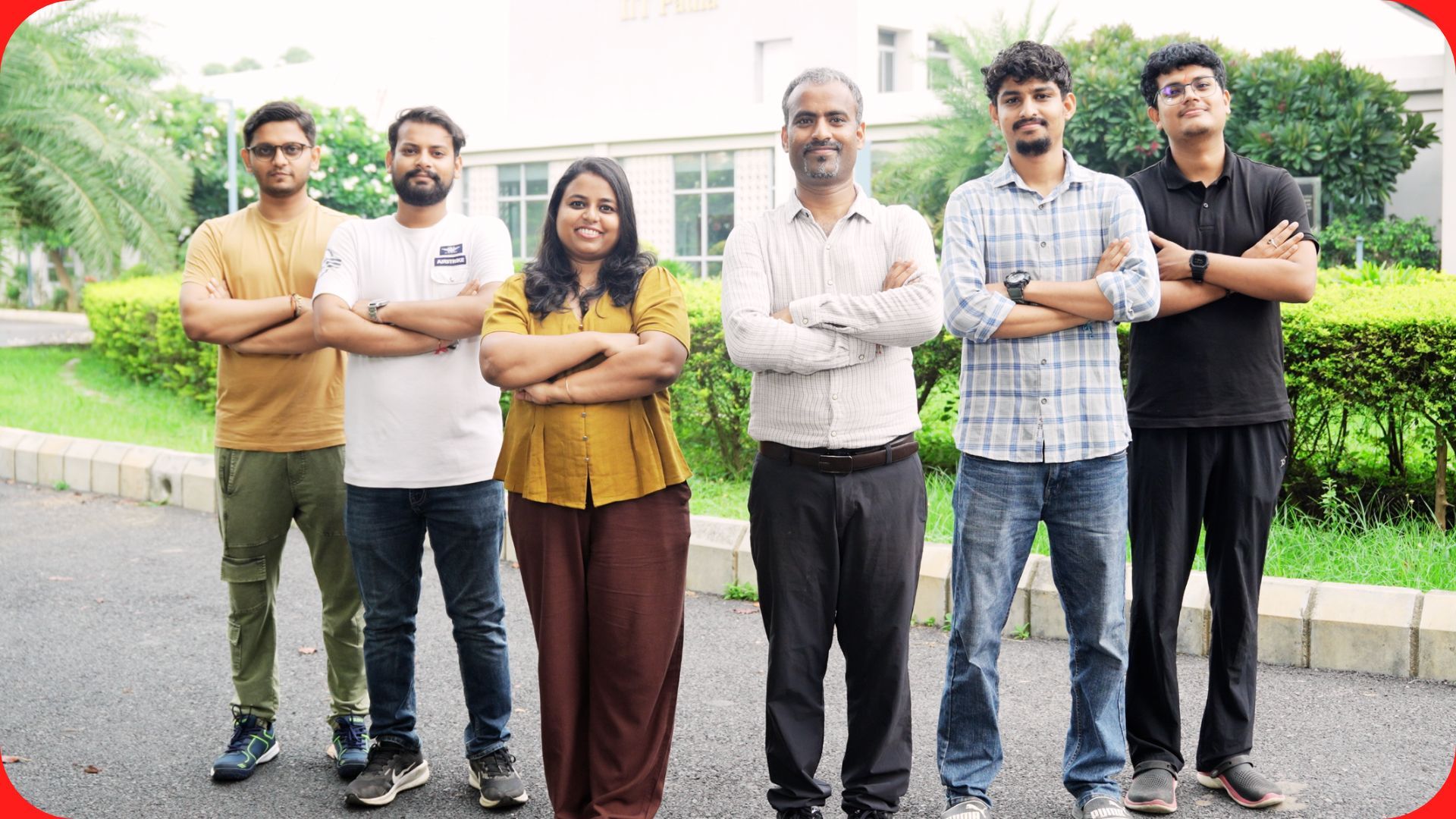
Now Focusing on India's Large Infrastructure Systems
Sarva Suvidhaen has also witnessed growth in its business. In the financial year 2024–25, the company's turnover was approximately Rs 48 lakh. It recorded a profit of around Rs 9 lakh. In the financial year 2025–26, its turnover increased to approximately Rs 1.16 crore. The company's profit stood at around Rs 20 lakh.
The company's revenue model is based on one-time development and integration fees, along with monthly or annual subscriptions and maintenance contracts.
The company now wants to expand its presence across all zones of Indian Railways. Alongside this, it plans to take its solutions into sectors such as logistics, healthcare, and smart cities.
At the technology level, the company is preparing to invest more in edge AI, computer vision, and predictive maintenance.
The incubation centre at IIT Patna has also played an important role in this journey. According to the company, funding, technical support, mentorship, and industry connections helped transform its prototypes into solutions that could be used in the field.
Atul says, “We do not see Sarva Suvidhaen merely as a company working for the railways. Our goal is to become a partner in AI, IoT, and automation for critical infrastructure. To achieve this, we need to make our technology capable of working under different conditions. Going forward, we want to explore opportunities in sectors such as logistics, healthcare, and smart cities, alongside railways. Our belief is that the journey can begin in Bihar, but the solutions should reach across India and, eventually, the world.”
Starting in Bihar, Building Solutions for India, and Expanding Across the World
Sarva Suvidhaen's story is still in its early stages. The company will continue to face challenges such as government procurement processes, long sales cycles, and the large-scale deployment of deep-tech solutions.
However, there is another side to this story. It shows how new opportunities for entrepreneurship and technological talent are taking shape in Bihar. A startup that begins in a city like Patna can develop solutions for one of the largest public infrastructure systems in the country.
The startup ecosystem, incubation centres, government assistance, and support from technical institutions can help such ventures progress beyond their initial stages. Sarva Suvidhaen's journey is an example of this changing environment.
For Atul and Srishti, the direction ahead is clear. They want to work on problems whose impact can be seen on the ground and whose solutions can be deployed at scale.
Their message also reflects this approach: “Start your journey in Bihar, find solutions to India's real problems, and build solutions that the world can adopt as well.”
Sarva Suvidhaen began its journey in Bihar, but its ambitions are not limited to the state. The company is now working on developing solutions that can be used in other large infrastructure sectors, in addition to railways. Through its efforts to solve ground-level problems using AI, IoT, and automation, the company also presents an interesting picture of Bihar's evolving startup ecosystem.
Also Read Taruwar Agro: Three Bihar Friends Built a Rs 2.5 Crore Business from Banana Waste
This content is published by YourStory and has not been created or edited by Hello Headlines. View original