Stories of recovery can help break mental health stigma: UNICEF India
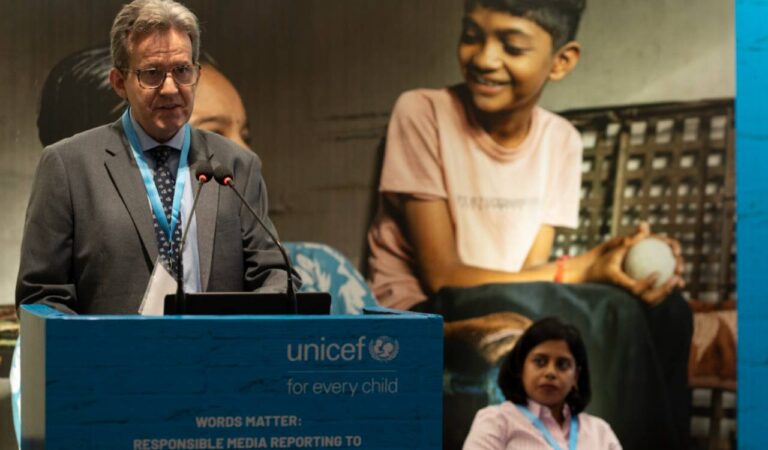
New Delhi: UNICEF India on Monday called for responsible and sensitive media reporting on mental health, saying it can help create a supportive environment, encourage care-seeking behaviour and reduce stigma in support of the mental wellbeing of children, adolescents and young people.
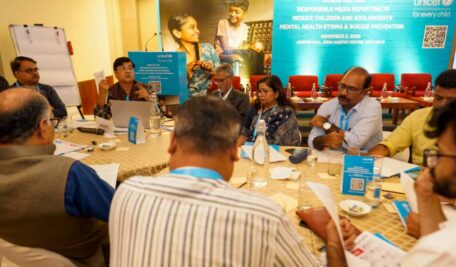
At a roundtable titled ‘Words Matter: Responsible Media Reporting to Reduce Children and Adolescents’ Mental Health Stigma and Suicide Prevention’ in New Delhi, senior media leaders, media organisations, mental health experts and practitioners and people with lived experience explored how reporting can support sensitive public conversation on mental health.
World Health Organization (WHO) estimates that one in seven adolescents aged 10 to 19 years globally experiences a mental health condition, with many cases going unrecognised and untreated. Early detection and access to care are critical in reducing long-term impacts of mental health conditions as half of all mental health conditions begin by age 14.
Jesper Moller, UNICEF Deputy Representative, Programmes, emphasised that mental health is integral to children’s rights and development, but stigma keeps many young people from seeking care.
“Mental health and wellbeing are central to children’s rights. Mental health plays a significant role in how children feel, learn, build meaningful relationships and participate in decisions affecting their lives. However, many children and adolescents hesitate to seek care due to stigma associated with mental health,” said Jesper Moller in his opening remarks.
Calling on the media to play a constructive role, Moller said reducing stigma needs a public conversation built on understanding and trust. The media, he added, can play a “vital role” in fostering supportive environments, reducing discrimination and encouraging access to care.
“UNICEF remains committed to strengthening public understanding and advancing every child’s right to mental health and psychosocial wellbeing,” he said.
The societal stigma associated with mental health remains a major barrier to accessing care, while limited access to care is also a major challenge for people experiencing mental health issues in India. A national survey of mental health in India, conducted in 2015-16, found that about 85 out of every 100 people with a mental disorder were not getting treatment. This gap underlines how stigma around mental illness continues to keep people from getting the care they need.
Participants discussed how newsrooms can follow existing guidelines and choose appropriate words while reporting on suicide cases responsibly. They also talked about protecting children’s privacy and dignity and at the same time covering the incidents with proper context. The morning session looked at how media coverage shapes stigma around mental health and suicide prevention.
Highlighting the need to move beyond sensational headlines and stories that blame a single cause, and instead offer context, dignity and hope, the participants said that responsible reporting is not just about what to leave out, but also about what to include. They agreed on protecting children’s identities, using accurate, neutral language, sharing helpline details, and showing people as more than their worst moments; while mentors from UNICEF India’s Critical Appraisal Skills (CAS) programme stressed that stories of recovery and resilience can help the media make seeking help normal and free of stigma.
This content is published by Telangana Today and has not been created or edited by Hello Headlines. View original