TRAI Backs Direct-To-Device Satellite Connectivity, Proposes New Authorisation Framework
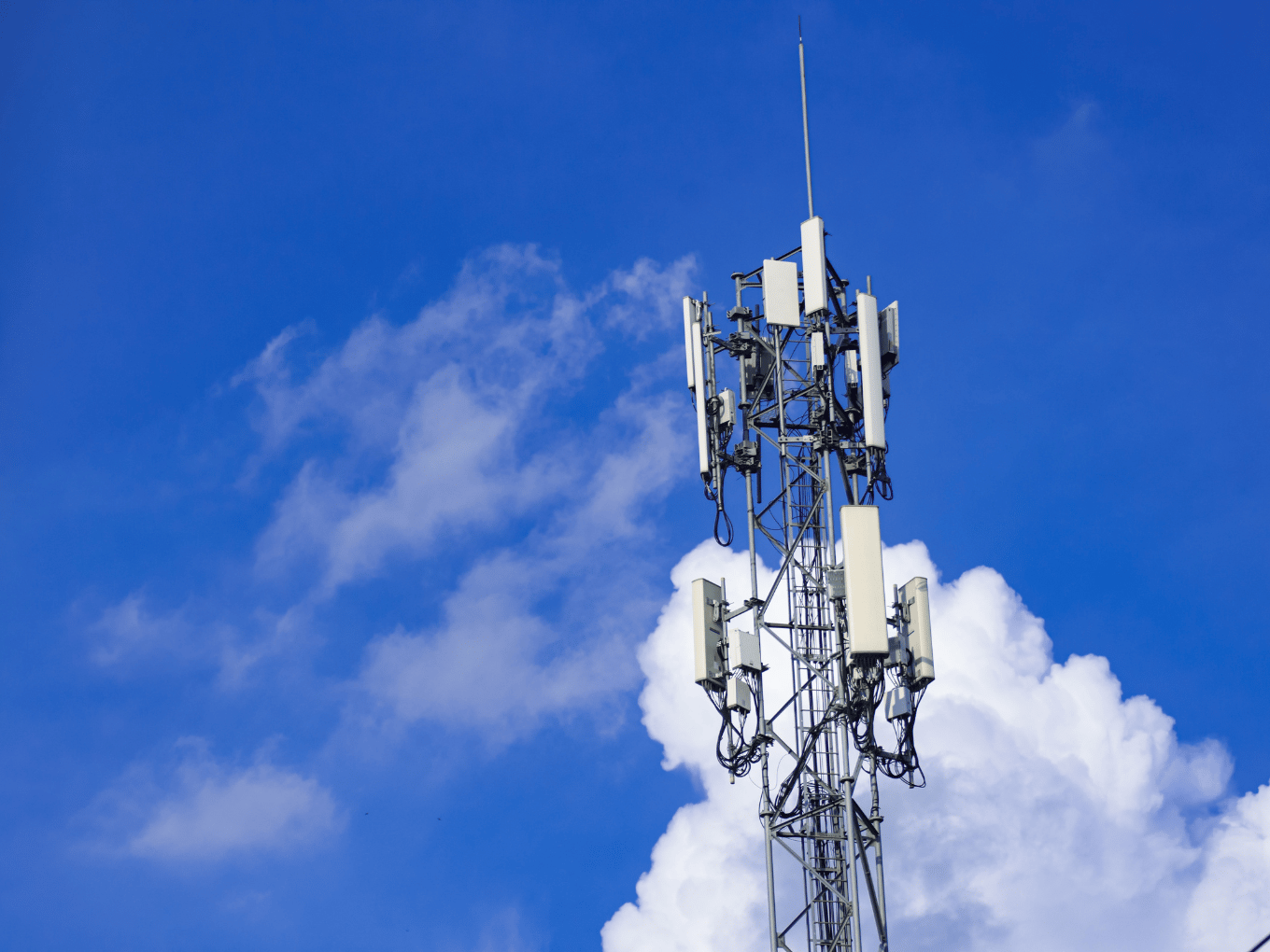
The Telecom Regulatory Authority of India (TRAI) has recommended allowing direct-to-device (D2D) satellite connectivity and creating a separate authorisation for companies supplying satellite network capacity to telecom operators.
The proposals can enable compatible smartphones to connect directly to satellites, potentially extending connectivity to areas without conventional mobile coverage.
Under the proposed Satellite Communication Network (SCN) Provider Authorisation, companies can build and operate satellite networks and sell capacity to eligible telecom service providers. They cannot serve end users directly under this authorisation.
The recommendations require government approval and do not immediately permit commercial D2D services.
What Changes For Operators?
The framework would give telecom operators a way to access satellite infrastructure through partnerships, while continuing to manage their customer relationships.
For satcom companies, it would create a separate route to sell network capacity to telecom operators, without requiring them to build a consumer-facing service under the same authorisation.
In effect, one company can operate the underlying satellite network while another sells connectivity to customers. This will support partnerships between satellite infrastructure providers and telecom operators seeking to extend their coverage.
However, the SCN authorisation alone would not allow a satellite company to sell mobile or broadband services directly to consumers. It would require the relevant service licence or authorisation.
The proposed nationwide authorisation would remain valid for up to 20 years, with renewal permitted for another period of up to 20 years.
Connecting Phones To Satellites
TRAI has proposed two routes for D2D connectivity – using spectrum earmarked for mobile satellite services or using spectrum already assigned to terrestrial mobile operators.
For the first route, it has recommended that the government encourage handset manufacturers to include support for the relevant satellite bands in future smartphones sold in India.
For the second, telecom operators can partner with satellite network providers to use their existing mobile spectrum for satellite connectivity.
However, participating operators would collectively need to hold the relevant frequency channel across all 22 licensed service areas and agree to its use.
TRAI has recommended permitting this arrangement without waiting for the World Radiocommunication Conference 2027. The satellite services would have to avoid interfering with existing authorised services and cannot claim protection from interference caused by them.
TRAI has proposed an authorisation fee of 8% of adjusted gross revenue (AGR), without a minimum authorisation fee.
Satellite network providers can obtain spectrum directly from the government or use spectrum held by eligible partner operators. In a partnership, spectrum rights would remain with the operator.
Government-assigned satellite spectrum would be valid for up to five years, with a possible extension of up to two years. It would attract an annual minimum spectrum charge of ₹3,500 per MHz.
For D2D services using a telecom operator’s existing mobile spectrum, TRAI has proposed no additional spectrum charges. Existing spectrum charges would continue.
The proposals come amid efforts by Starlink, Bharti-backed Eutelsat OneWeb, and Reliance Jio to tap India’s satellite connectivity market.
The post TRAI Backs Direct-To-Device Satellite Connectivity, Proposes New Authorisation Framework appeared first on Inc42 Media.
This content is published by Inc42 and has not been created or edited by Hello Headlines. View original