30,000 Chinar Trees Geo-Tagged Across J&K, Digital Database Created
Kashmir, Observer, Jammu, Srinagar, Latest Kashmir News, Kashmir News, Kashmir Latest News
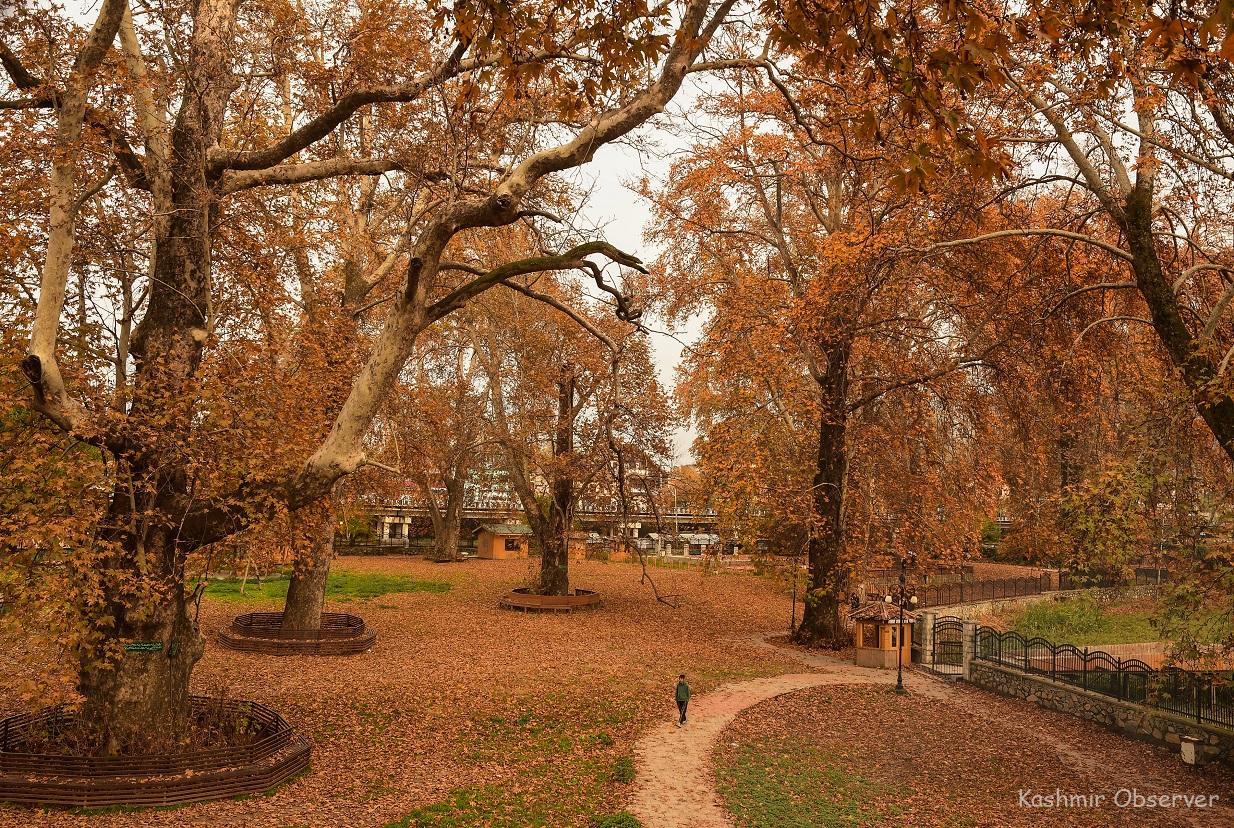
Jammu- The Jammu and Kashmir government has geo-tagged around 30,000 chinar trees and created a digital database to strengthen their conservation and monitoring, officials said.
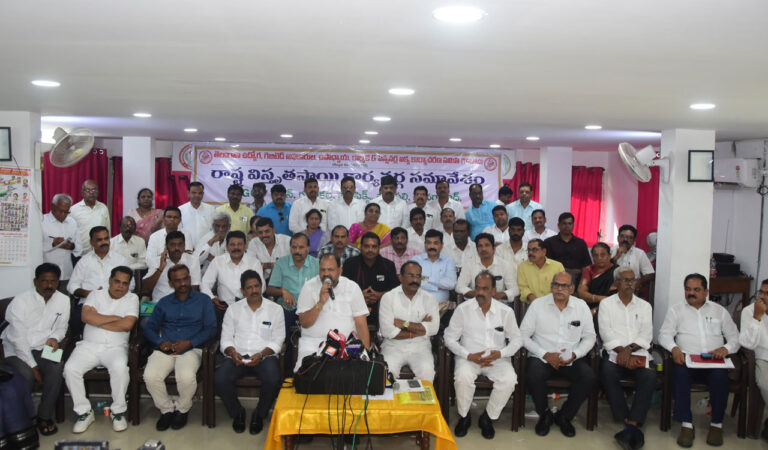
Top officials said this at a high-level meeting, chaired by Minister for Forests, Ecology and Environment, Altaf Ahmad Wani, held to review the functioning of the Jammu and Kashmir Forest Research Institute (JKFRI).
The officials said that while QR-enabled metal plates have been installed on 10,000 prominent chinar trees in Kashmir and 3,500 peepal and bargad trees in the Jammu region.
The geo-tagging of the remaining chinar, bargad and peepal trees will be completed in the second phase, the officials said.
Emphasising the importance of scientific research in forest conservation, the minister said science was the backbone of conservation efforts and research should not remain confined to files and laboratories but reach forests, farmers and the common people.
He directed the JKFRI to strengthen coordination with the Forest Department, farmers and industry to ensure that research outcomes translate into income generation for local people and improved protection of forests.
The minister was informed that JKFRI has established two seed banks, one each in Jammu and Srinagar, for proper storage of seeds of forest tree species collected from Seed Production Areas.
The institute has also developed cultivation protocols for important medicinal plants, including Kuth, Tilpushpi, Mushkwala, Pushkarmul, Angur Shefa and Shinglimingli.
Besides, medicinal plants have been inventoried and mapped in both Jammu and Kashmir regions, with their germplasm raised in JKFRI nurseries.
Emphasising participatory development, the minister said the concerned MLA must be taken on board while executing development works in a district.
Public representatives understand ground realities more deeply, and their involvement would ensure transparency and better execution of works, he added.
The post 30,000 Chinar Trees Geo-Tagged Across J&K, Digital Database Created appeared first on Kashmir Observer.
This content is published by Kashmir Observer and has not been created or edited by Hello Headlines. View original