Alternative firefighting methods planned amid fears of water scarcity in Hyderabad
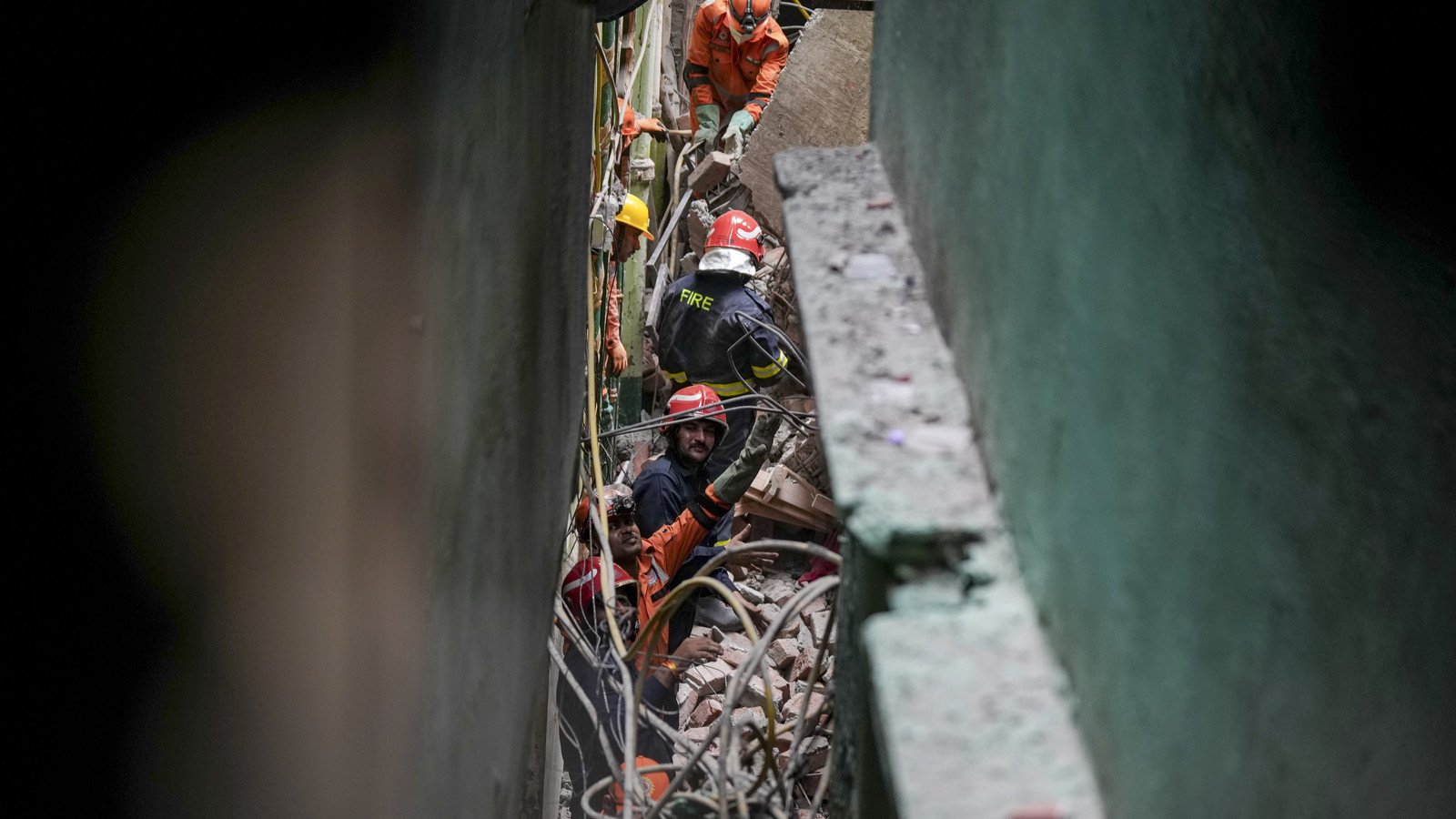
Hyderabad: Rising temperatures due to El Niño, record electricity demand and fire incidents have raised concerns over the availability of water for firefighting operations in the city. With the threat of water scarcity looming, the Fire Department may face challenges in sourcing adequate water to tackle major blazes.
However, officials say they are prepared to handle contingencies through efficient water management and alternative firefighting methods. The quantity of water required depends on the intensity of a fire. During extreme heat, even minor fires can spread rapidly, potentially increasing water requirements.
Major fires in commercial complexes, warehouses and high-rise buildings may require anywhere between 50,000 litres and several lakh litres of water, with an uninterrupted supply needed for hours.
Declining groundwater levels and the drying up of local lakes and ponds could further complicate the situation. Hyderabad District Fire Officer T Venkanna said firefighters were well-trained to tackle emergencies while minimising water consumption.
“Our men are already trained in minimal usage of water during firefighting, as saving water is extremely important during any emergency until we get backup,” he said.
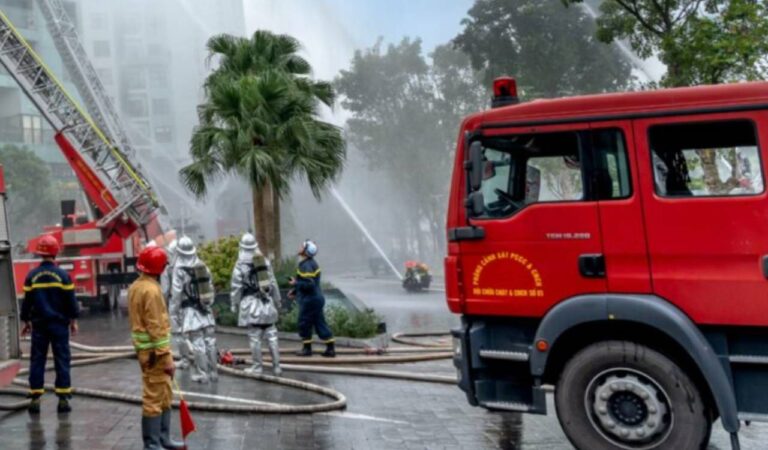
The department would also adopt alternative firefighting methods wherever possible, including CO2 gas, chemical sprays and traditional fire-beating techniques, instead of relying entirely on water. In incidents involving LPG cylinder fires, firefighters would focus on cutting off the gas or oxygen supply to prevent the flames from spreading further.
Venkanna stressed that prevention was the best way to avoid water-intensive firefighting operations. He urged citizens to take necessary precautions in their homes and surroundings to prevent fire accidents.
Meanwhile, officials said the water department was extending full cooperation during emergencies and there was currently no shortage of water for firefighting.
Fire engines largely depend on Hyderabad Metropolitan Water Supply and Sewerage Board (HMWS&SB) filling stations and nearby water bodies to replenish their tanks. Any restrictions on municipal water supply or water shortages could directly affect firefighting operations.
The distance to refilling points is another concern, as valuable time may be lost while fire engines travel back and forth. Alternative arrangements would be explored if water scarcity arose, officials said.
This content is published by Telangana Today and has not been created or edited by Hello Headlines. View original