Sandpapergate: Darren Lehmann challenges Usman Khawaja's claims about team knowledge
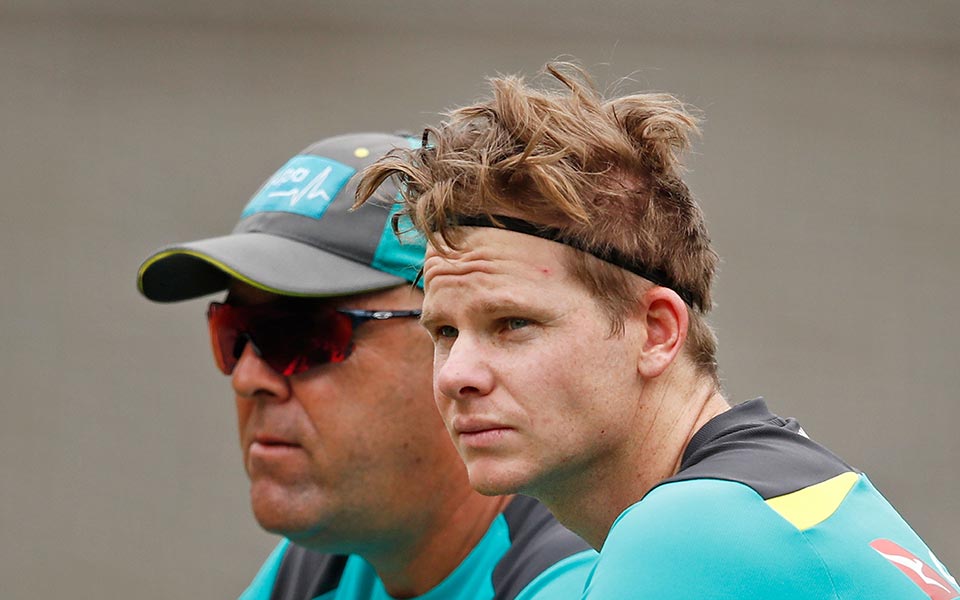
Usman Khawaja, who retired this year after 88 Tests for Australia, has claimed in his autobiography Sabr and subsequent media interviews that the entire Australian cricket team possessed prior knowledge of the 2018 ball-tampering scandal during the Test series in South Africa.
The incident, commonly referred to as Sandpapergate, centred on the use of sandpaper to alter the ball during the Cape Town Test against South Africa. Khawaja stated that the knowledge extended across all levels of the squad.
Former Australian head coach Darren Lehmann has directly contested this characterisation. Speaking to ABC Sport on Summer Grandstand, Lehmann stated that he does not believe everyone in the squad would have known about the specific use of sandpaper, though he acknowledged that ball tampering itself was a widespread practice within international cricket at that time.
"I don't think everyone would have known (about the use of sandpaper). You do know ball tampering is going on because it's been happening for 150 years," Lehmann said.
What does Lehmann say about team knowledge of the sandpaper tactic?
Lehmann drew a distinction between the general knowledge that ball tampering occurred in cricket and the specific method employed during the Cape Town Test. He emphasised that the circumstances surrounding each instance of tampering varied considerably and that individual players may not have been aware of every tactic employed by teammates.
"It's just how it's being done, and how would you know to that extent? That's an individual case-by-case, to be fair. I can only speak to what I know, and I know ball tampering was a big part of the game of cricket. Now it is obsolete. That doesn't make it right either, but that's the case, and we paid a heavy price for that," Lehmann said.
How does Lehmann distinguish between general ball tampering and the specific method?
When questioned about whether the sandpaper tactic was discussed across the team, Lehmann indicated he had limited visibility into all conversations that took place during the tour. He noted that the coaching staff and playing group operated in separate spaces and that his own time was consumed by meetings with Cricket Australia officials as the scandal unfolded.
"I don't remember that. There were two change rooms obviously, and there were meetings going on everywhere. To be perfectly honest, I was in meetings with Cricket Australia a lot," Lehmann said.
Lehmann remained cautious about making definitive claims regarding what Khawaja had asserted, acknowledging that different people involved in the incident held varying perspectives on what occurred and who knew what.
"That could have been the case, I don't know. I'm not saying yes or no to that one. There will be different points of view everywhere on this whole matter," Lehmann said.
Lehmann expressed concern about the impact of revisiting the scandal eight years after the event, particularly as Khawaja promoted his autobiography. He reflected on the personal toll the incident had taken on those involved and suggested that moving forward was preferable to reopening old wounds.
"End of the day, Cricket Australia had their findings. It was a really tough week, two weeks, at that time, going through the process and talking to all the relevant parties. I was in a really dark place for a period of time where for four months I didn't leave my house. Eight years after the fact and trying to sell a book is a bit different. That's Usman's choice, and that's the way he wants to go," Lehmann said.
Lehmann concluded by expressing sympathy for the families and individuals affected by the scandal, noting that revisiting the matter brought back painful memories for those who had worked to move past it.
"For the families and the people involved, I feel for them right now because it's taking them back to a really bad place. It's been eight years. You get to a place where you move on, and I've moved on with my life." The speaker said.
The 2018 scandal resulted in significant penalties for those directly involved. Steve Smith was banned for a year and sacked as captain, David Warner was suspended for 12 months and stripped of all leadership roles, while Cameron Bancroft received a nine-month ban. Lehmann stood down as Australian coach following the incident. Khawaja's claims have reignited debate about the extent of knowledge within the Australian squad during that period.
This content is published by CricTracker and has not been created or edited by Hello Headlines. View original