Vast, varied, vivid: How this art festival celebrates pan-India creativity
Launched in 2014, PhotoSparks is a weekly feature from YourStory, with photographs that celebrate the spirit of creativity and innovation. In the earlier 1,030 posts, we featured an art festival, cartoon gallery. world music festival, telecom expo, millets fair, climate change expo, wildlife conference, startup festival, Diwali rangoli, and jazz festival.
The Namma Art Bengaluru national festival was held at Karnataka Chitrakala Parishath (KCP) for the second time this year (see our coverage of earlier exhibitions at this popular cultural hub here). KCP’s flagship event is the annual Chitra Santhe, regarded as India’s largest street fair for art.
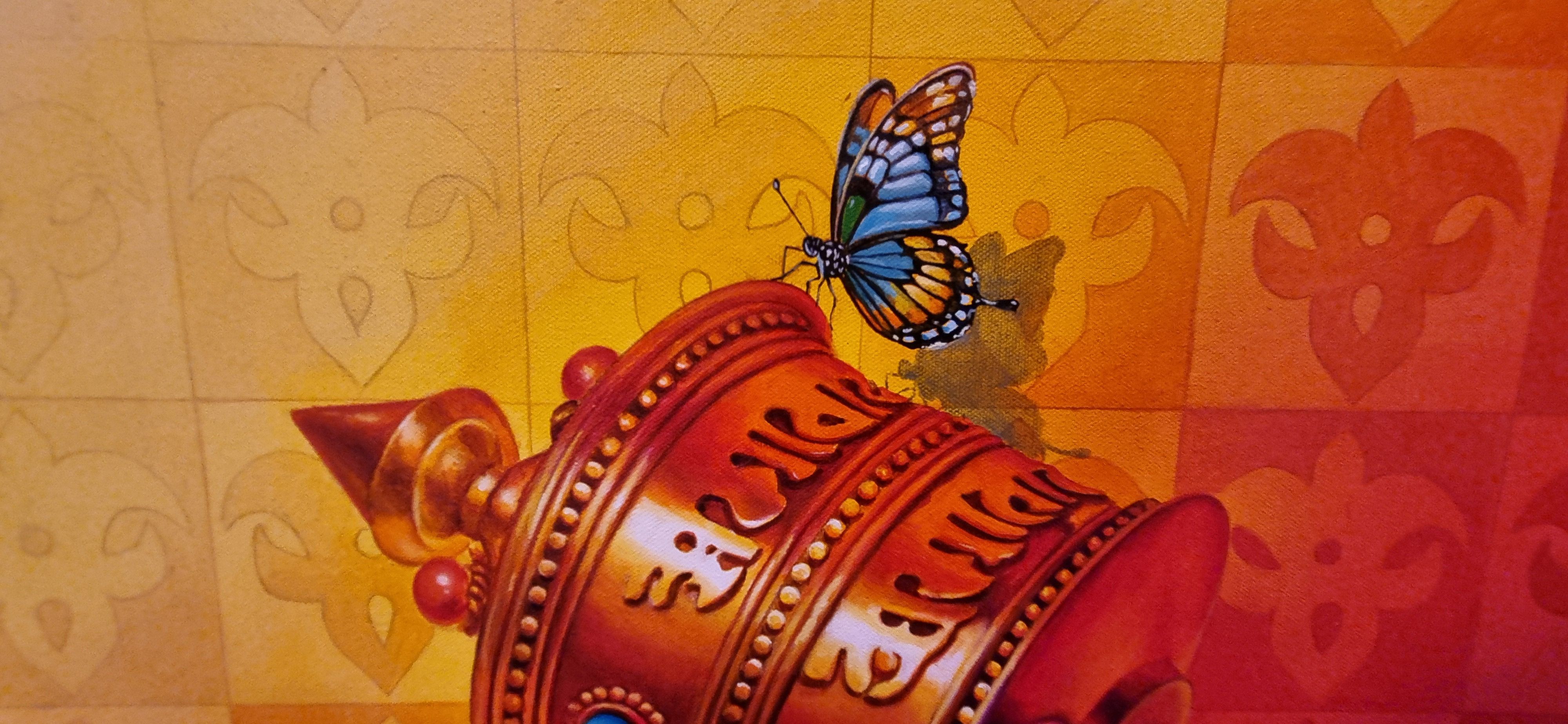
India’s artistic landscape is as vast and varied as the country itself. It spans intricate visual languages of Madhubani, Warli, Gond and Pattachitra; sculptural traditions of Channapatna, Dhokra and Thanjavur; miniature painting and textile traditions, and much more.
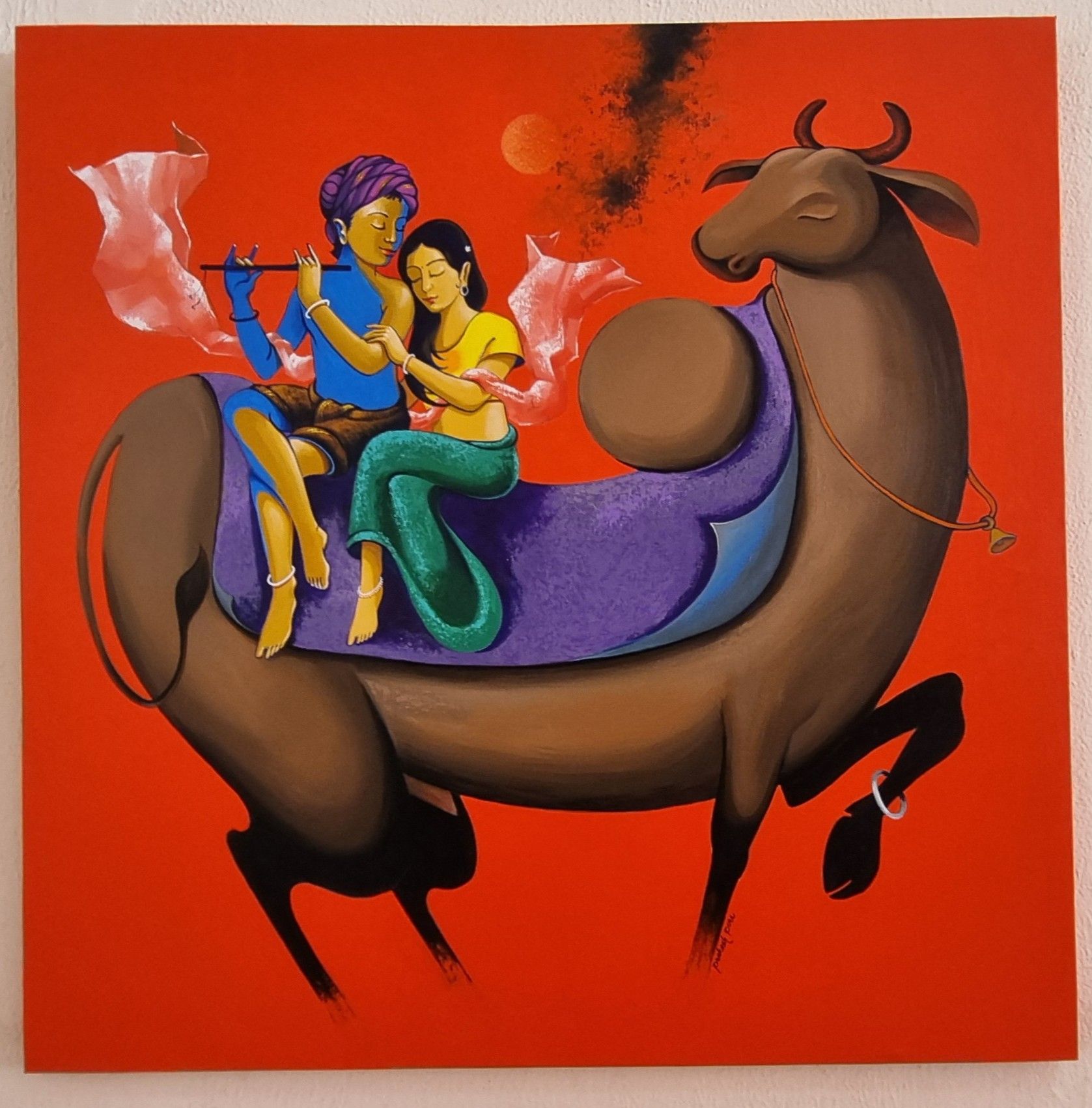
The worlds of contemporary painting, photography, installation, and new media add new perspectives and vocabularies for art lovers. The beauty of this artistic panorama truly emerges when these creative forms are showcased together.
“Art has always served as a powerful medium of expression that transcends boundaries, connects communities, and reflects the spirit of society,” explains Shashidhara Rao, General Secretary, KCP.
A pan-India exhibition that brings traditional and contemporary art into one shared space can create a powerful visual and cultural conversation. Instead of presenting India’s art traditions as isolated regional categories, such an exhibition reveals the connections between them.
 2026 Outlook: AI, robotics, biotech, unicorns and the road ahead
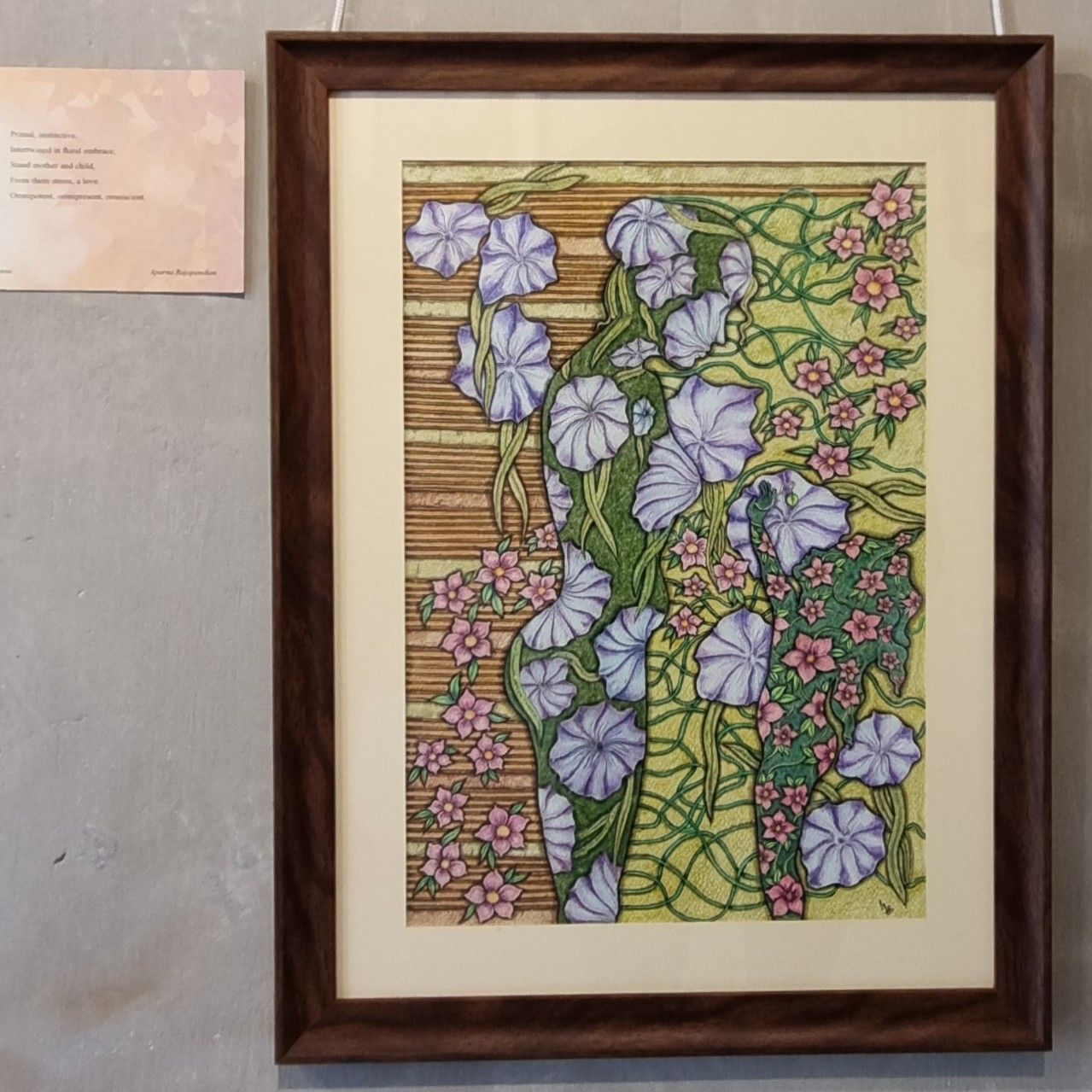
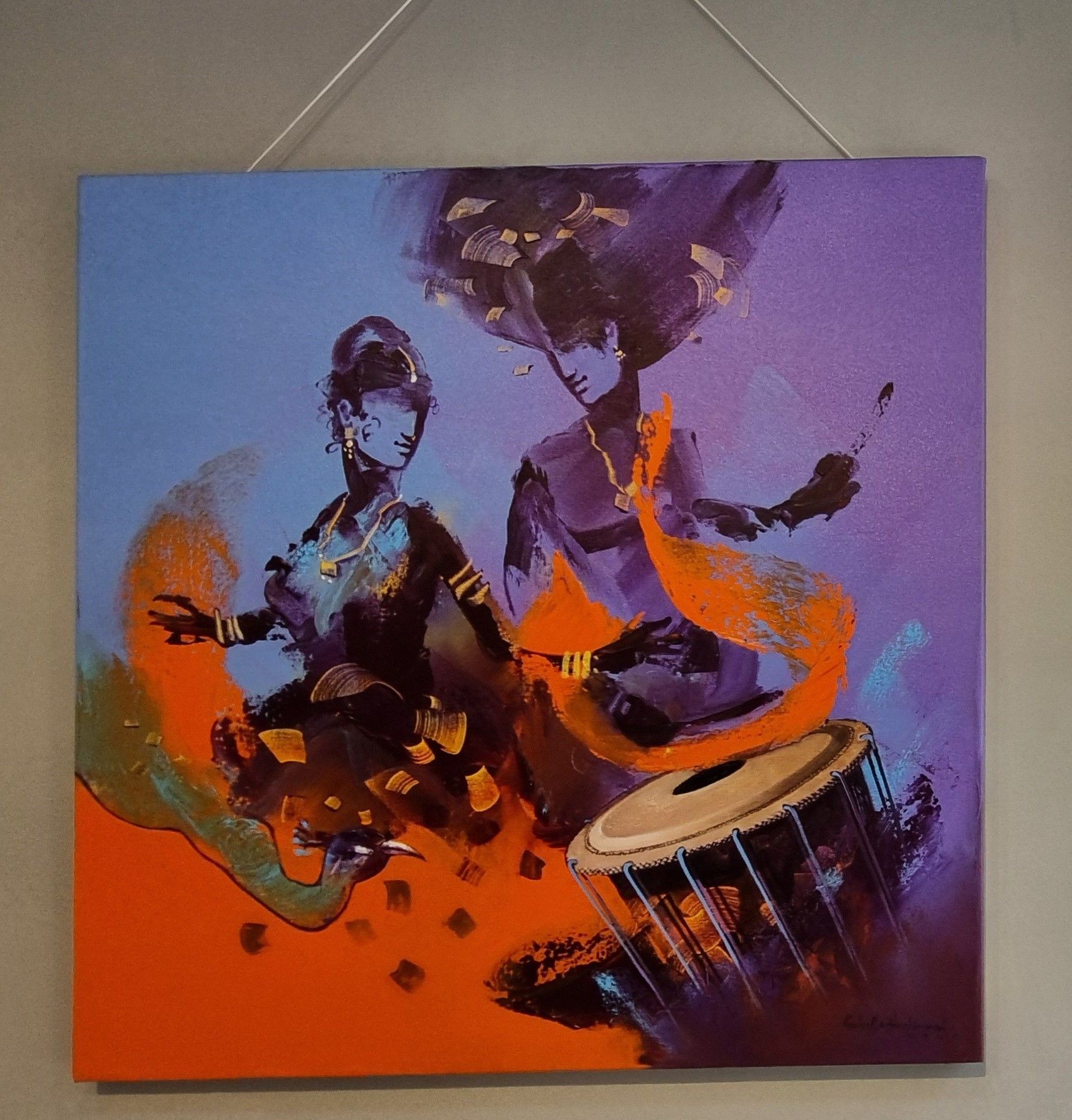
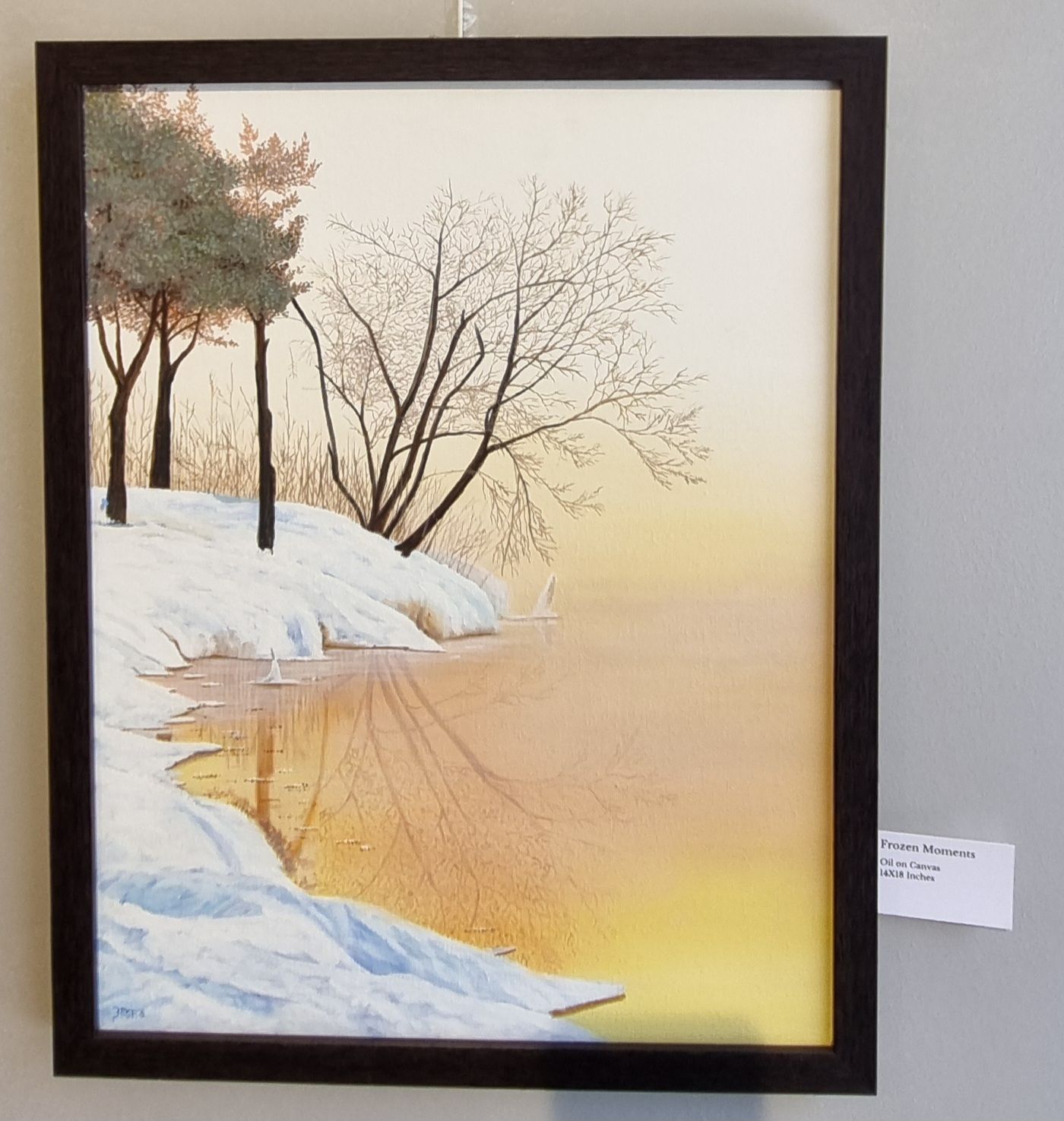
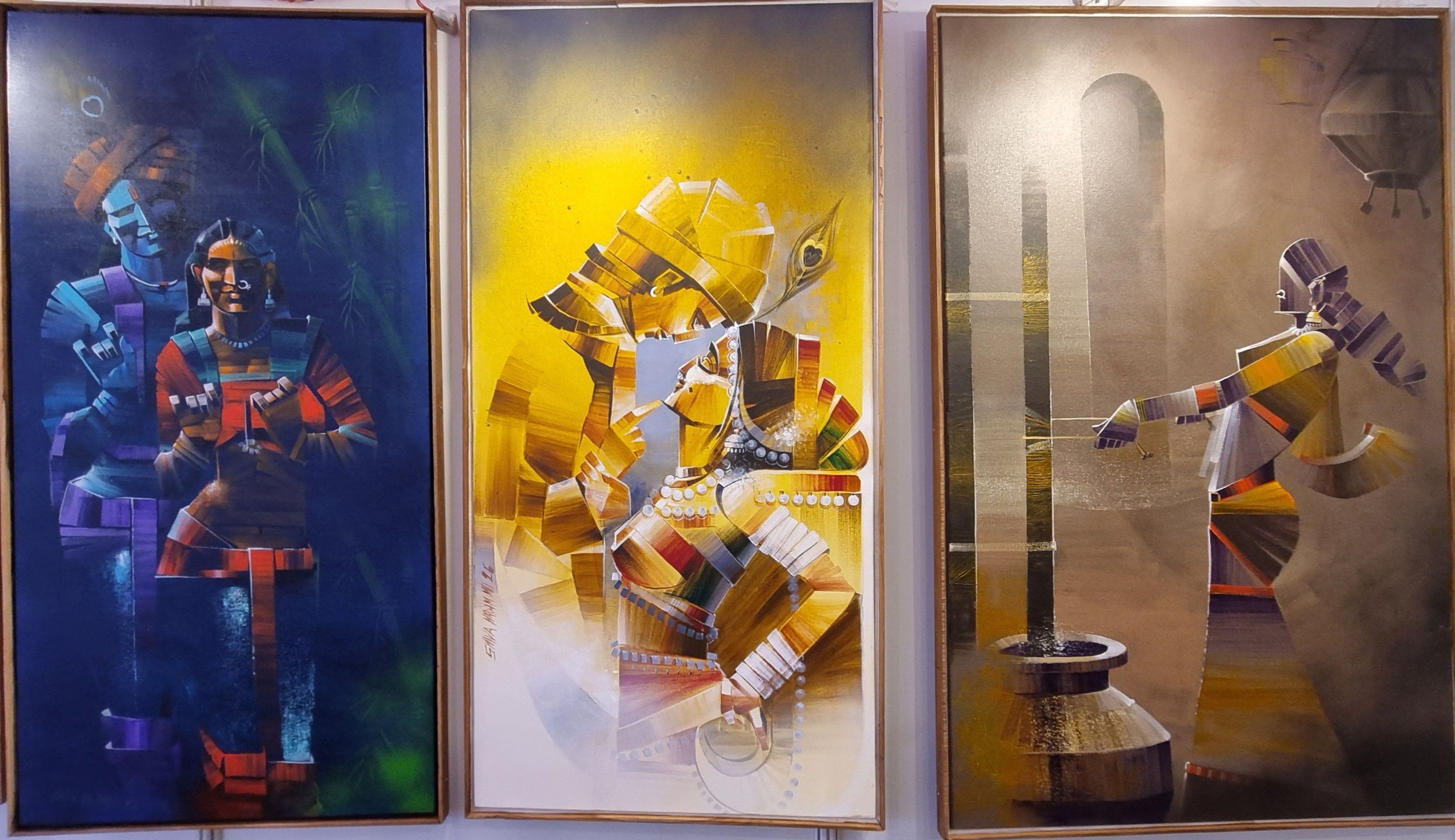
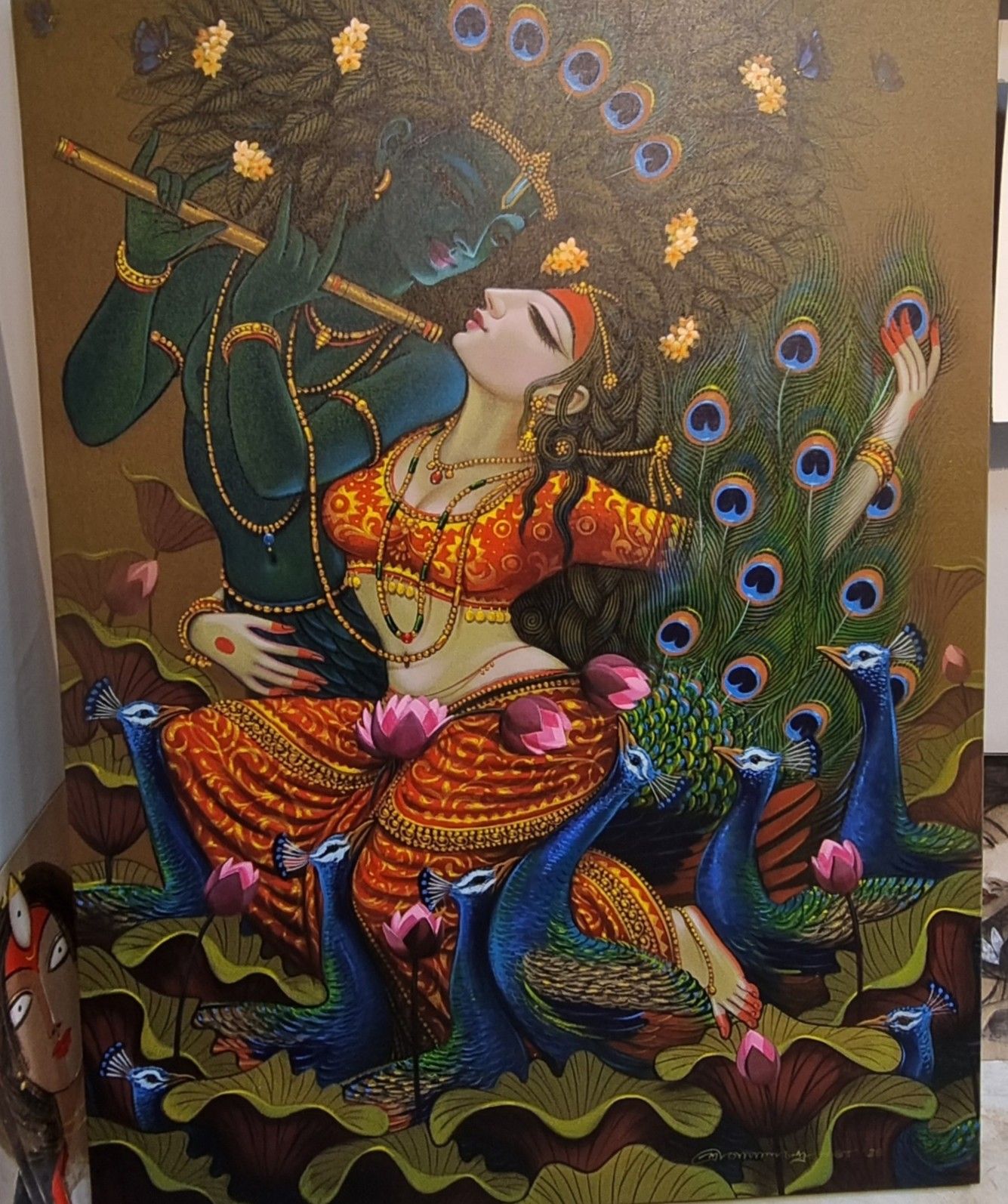
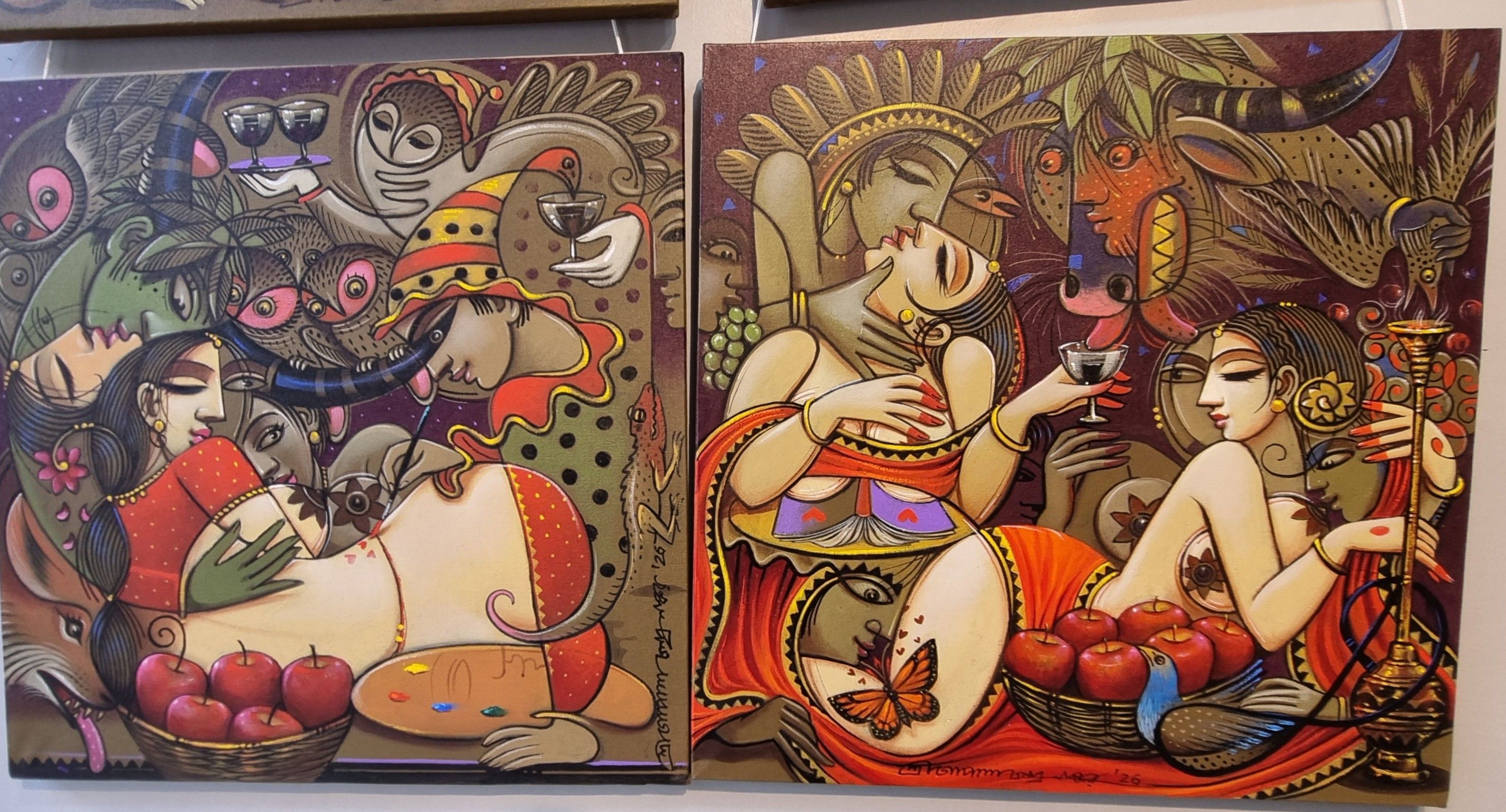
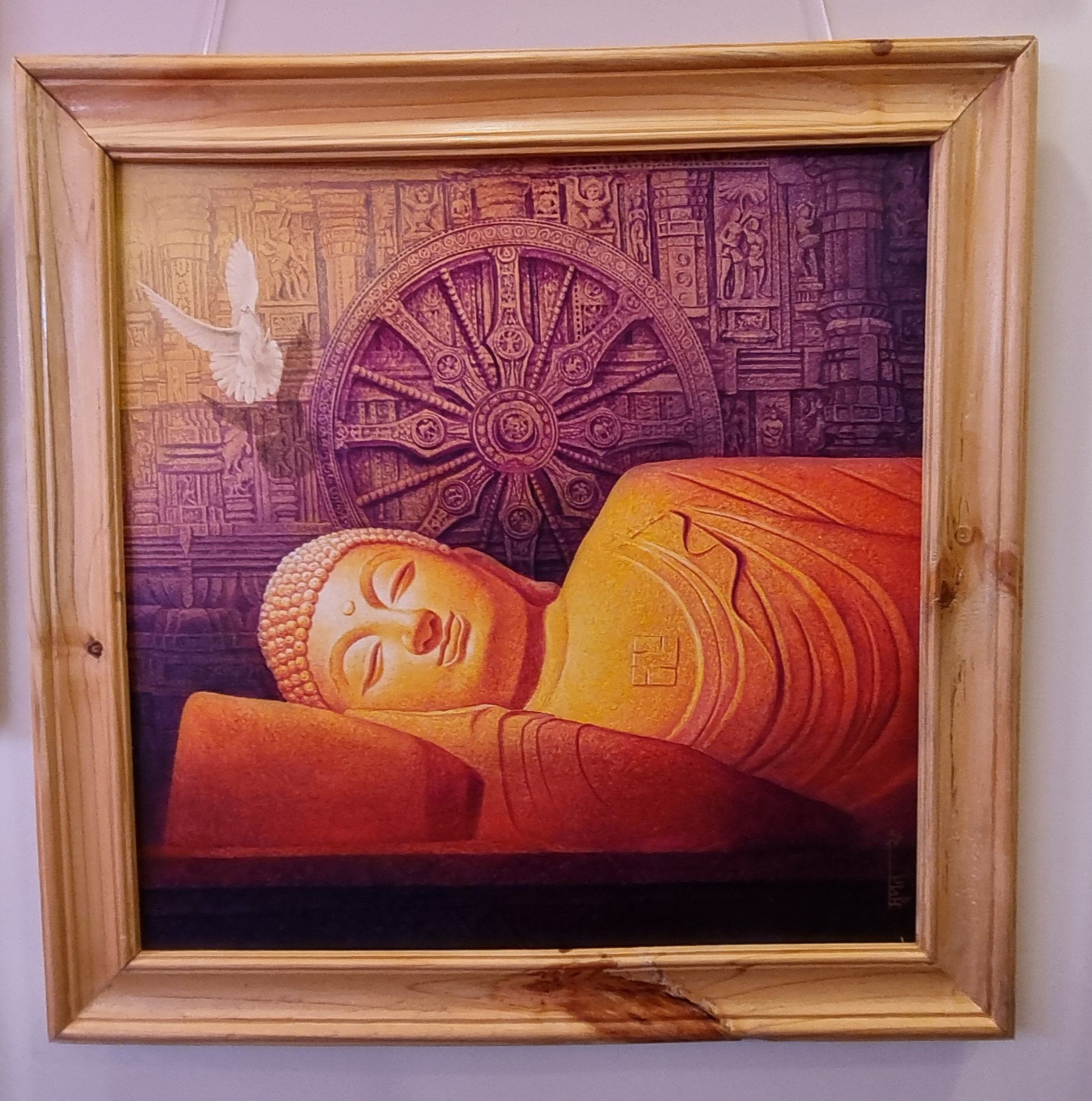
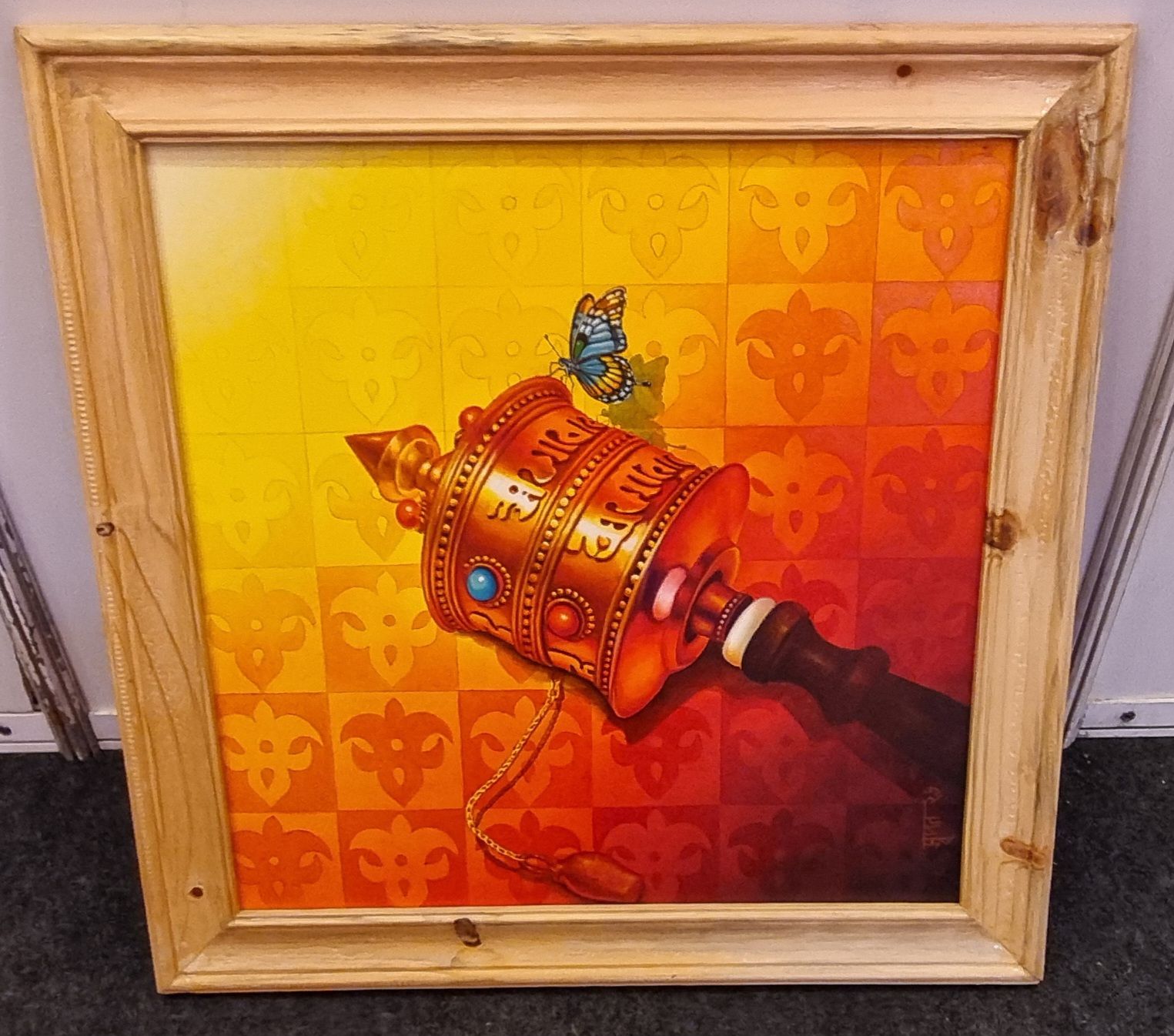
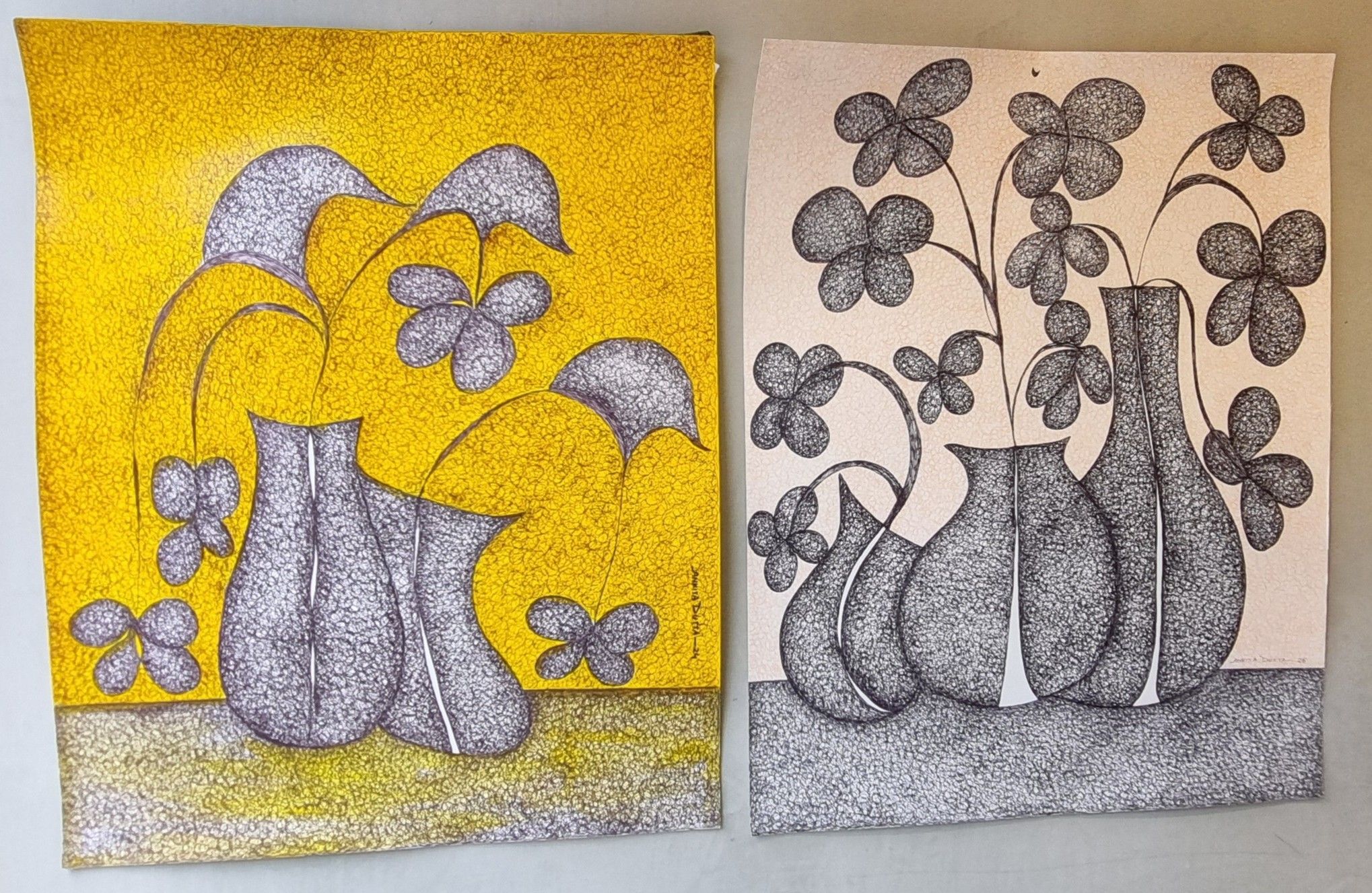
As seen in this photo essay, there are recurring ideas of nature, spirituality, community, identity, mythology, and everyday life. The differences are equally important: they demonstrate the extraordinary plurality of Indian experience and the many ways in which communities have interpreted and expressed their worlds.
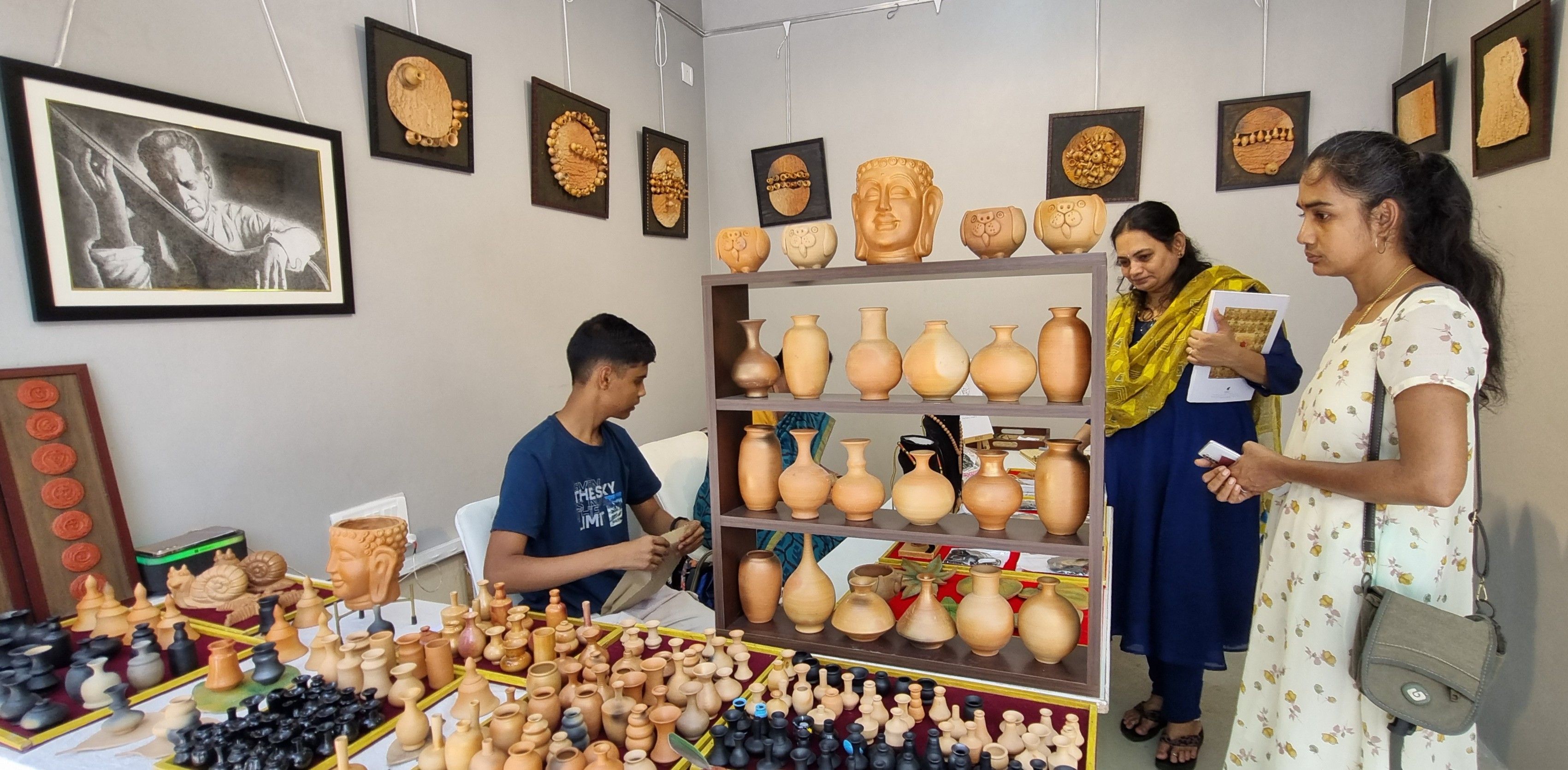
Bringing traditional and contemporary practices together also allows the exhibition to move beyond the idea of heritage as something belonging only to the past. Traditional art forms are living practices, continually evolving through artists, artisans and new generations.
Contemporary artists, meanwhile, frequently draw upon inherited visual languages and stories while questioning, reinterpreting and transforming them for the present. Placing these works side by side makes this continuity visible.
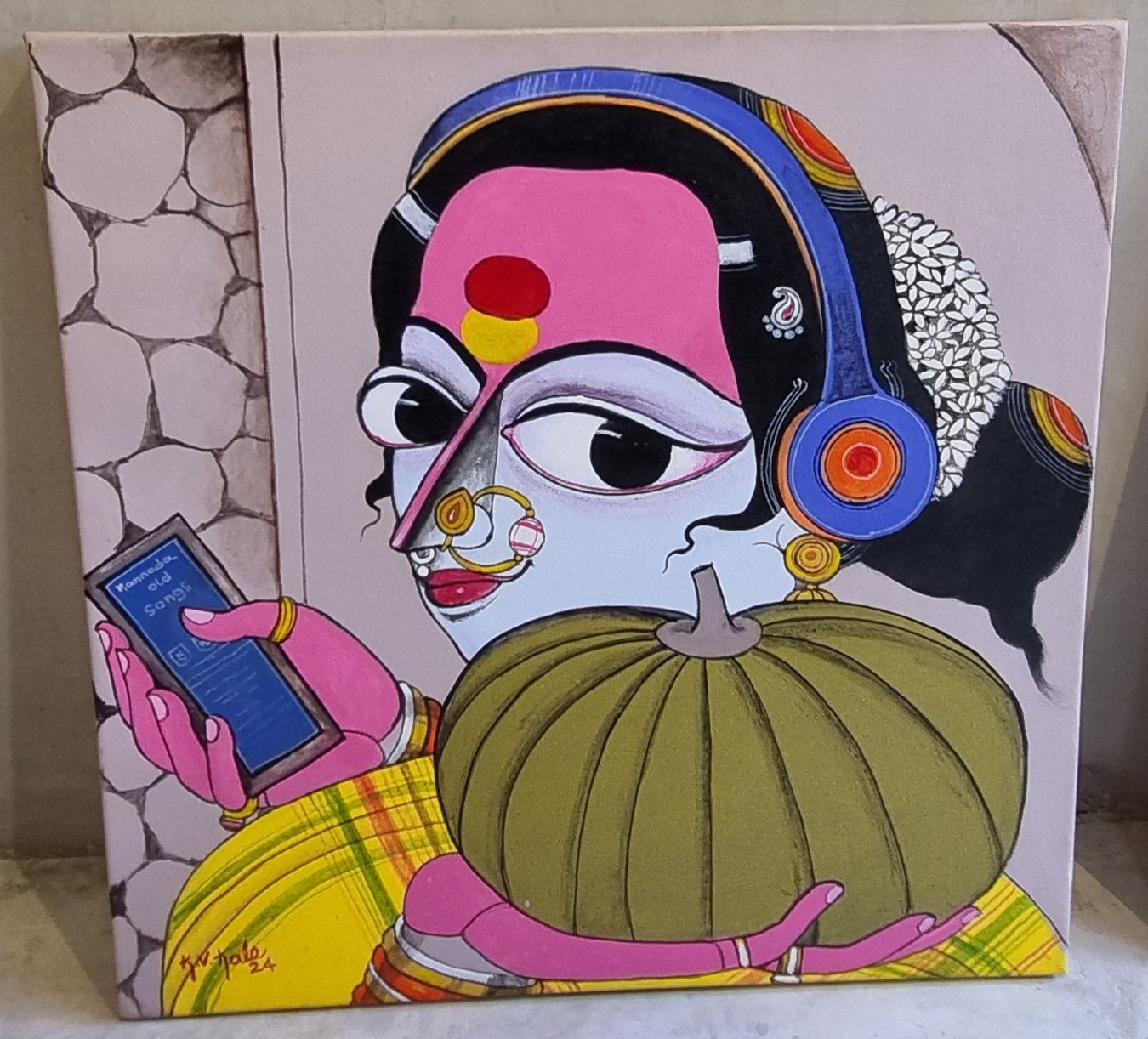
“In an increasingly dynamic world, the role of art in preserving heritage, encouraging dialogue, and inspiring fresh perspectives has become more significant than ever,” KCP’s Rao adds.
The Namma Art festival is thus more than a showcase of beautiful objects, as shown in this photo essay. It serves as a map of India’s cultural imagination — one in which a folk painting from one region can resonate with a contemporary installation from another, and where regional identities can coexist within a larger national story.
The experience of seeing many art forms together is also deeply democratic. It invites audiences to discover unfamiliar traditions and appreciate the knowledge embedded in craft. It creates opportunities for dialogue between artists, craftspeople, designers, collectors, students, and the wider public.
 Year in review: startups that raised big from VCs in 2025
“Our festival represents a wide spectrum of artistic approaches, mediums and regional sensibilities. Their works collectively reflect the dynamism of contemporary practice in India,” says KCP president BL Shankar.
Such a national exhibition celebrates an idea that is central to India itself: unity does not require uniformity. Its strength lies in the coexistence of many languages, histories, materials, communities and ways of seeing.
By bringing traditional and contemporary art together, the exhibition can offer audiences not simply a view of Indian art, but an experience of India — diverse, layered, evolving, and connected.
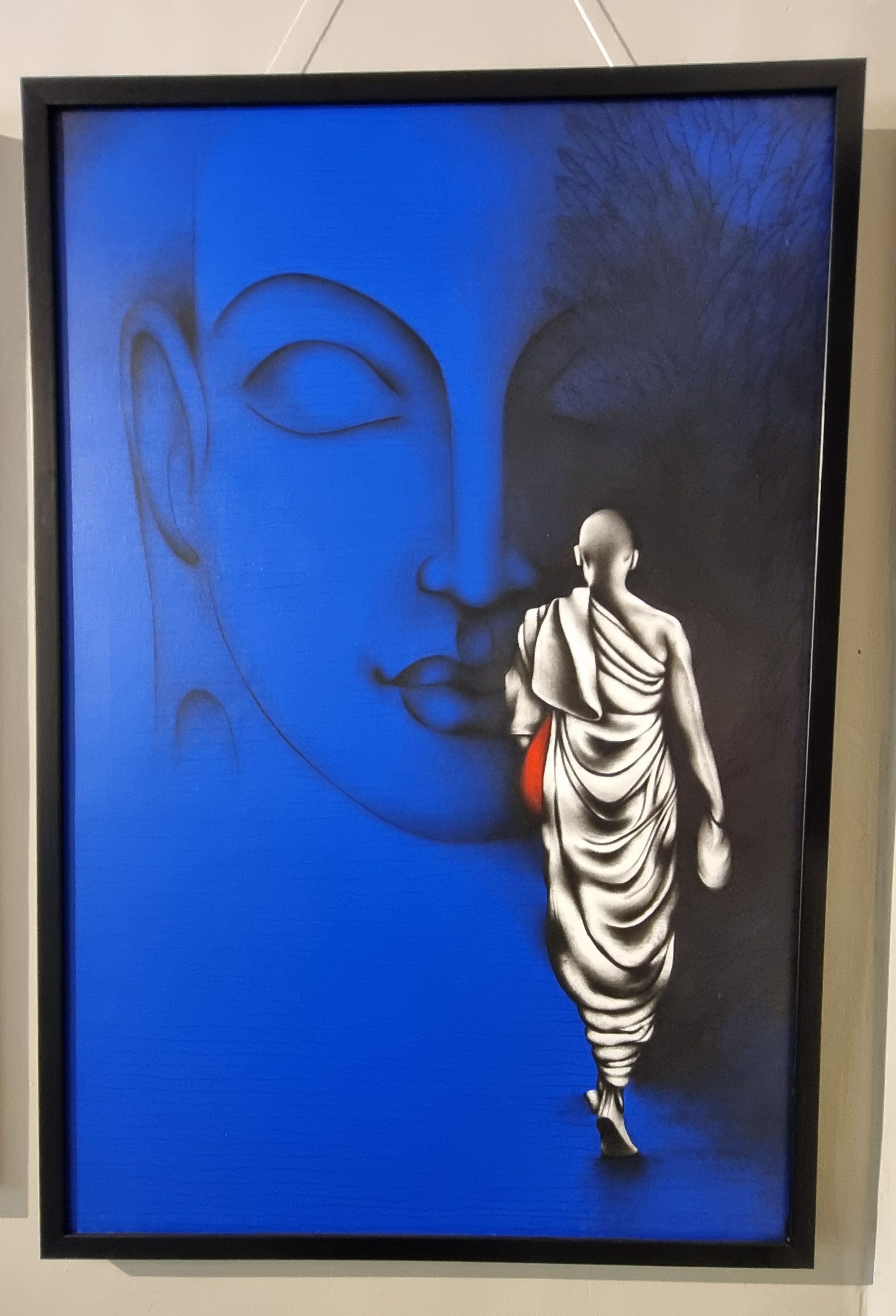
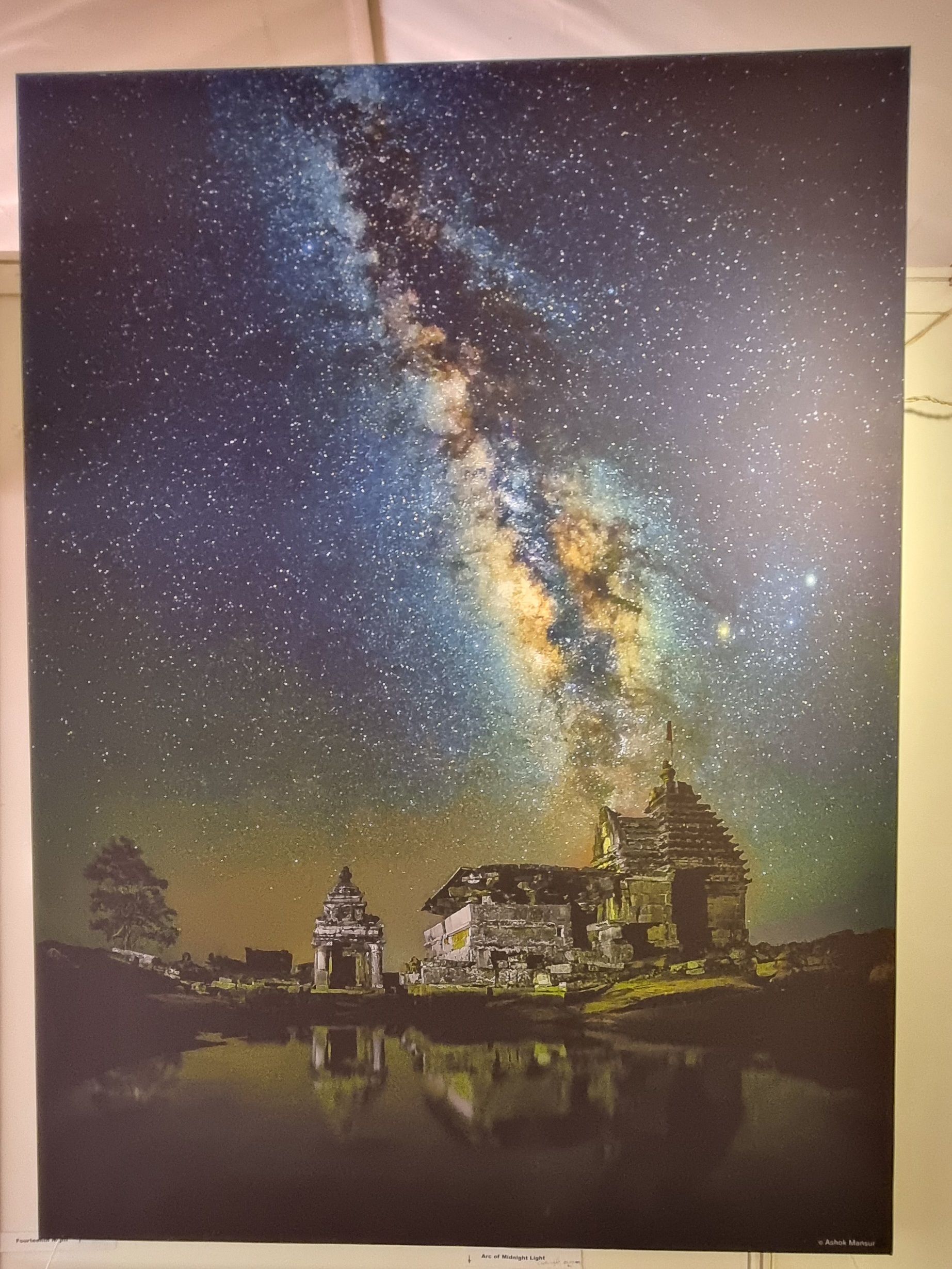
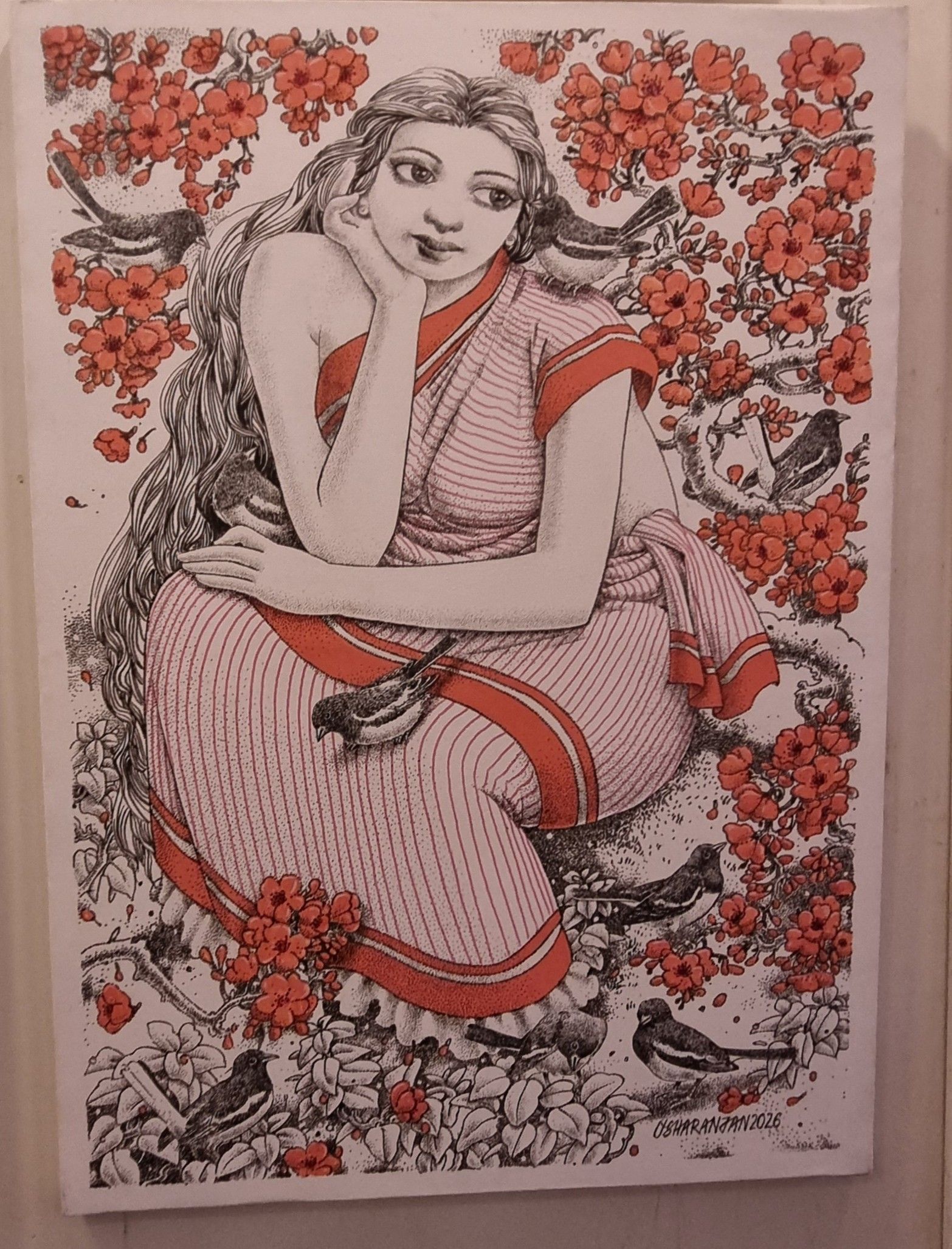
Featured artists at the KCP festival include Vivek Vadkar, AG Nellagi, Ashok Mansur, Sunil Barman, Dhiraj Balchandra Patil, and Sudha Sridhar.
Vivek Vadkar is a contemporary Indian artist renowned for his powerful and emotive oil paintings of horses in motion. His popular Seven Horses compositions draw on traditions where running horses symbolise success, victory and positive energy.
AG Nellagi is known particularly for his expressive paintings of bulls. His work draws deeply on his personal experience as a farmer and on the cultural symbolism associated with the bull, which represents strength, determination, fertility, and confidence. He has received awards and recognition from the Karnataka Lalit Kala Academy and other cultural institutions.
 How IIT Madras Incubation Cell is powering India’s next-gen deeptech startups
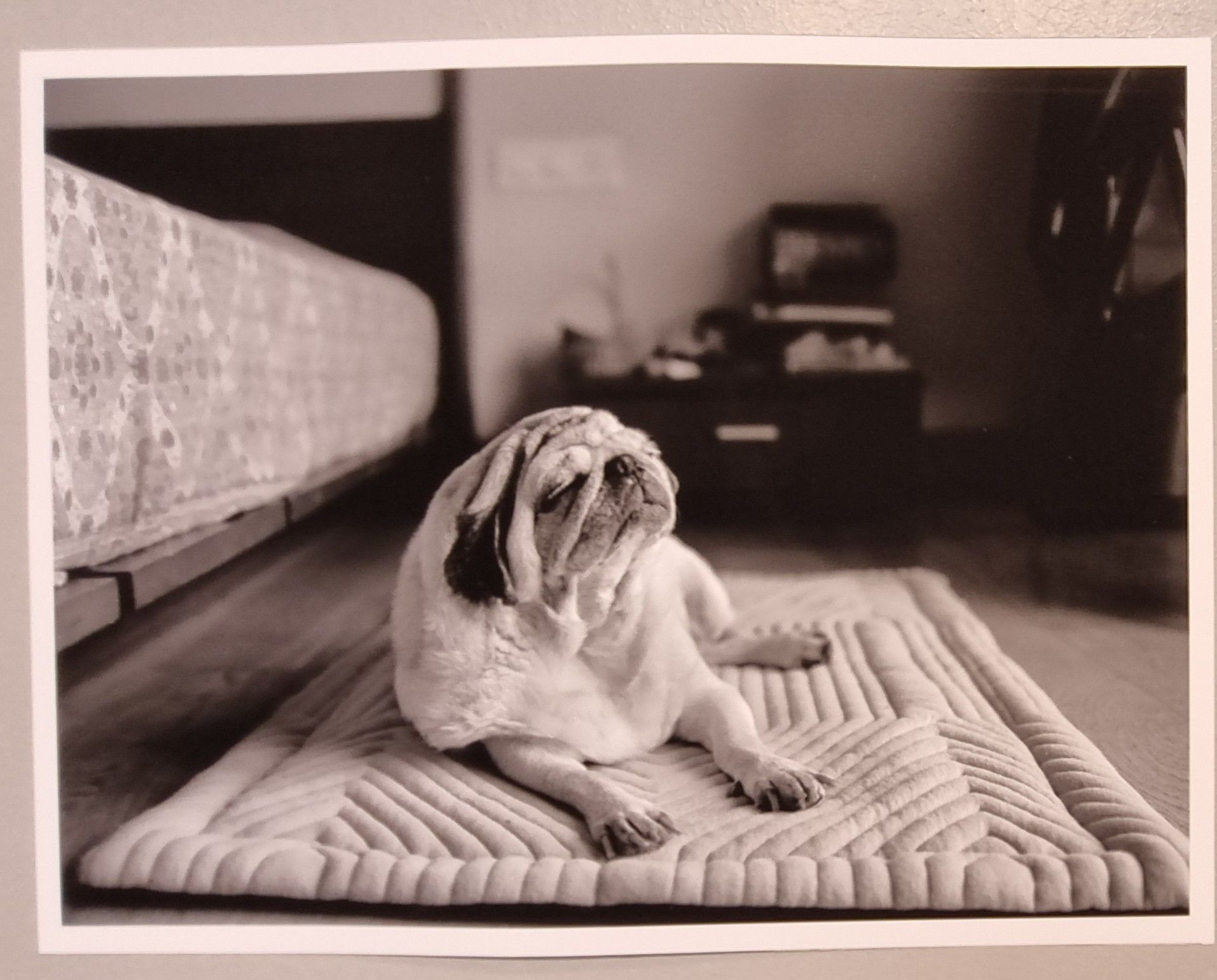
Ashok Mansur is a visual artist and photographer with an interest in art, history and cultural imagery. A farmer by profession, he is also known for his beautiful landscapes along with people portraits.
Sunil Barman is a self-taught artist whose paintings focus on the quiet beauty of village life in Bengal. He works primarily with fine pen-and-ink drawing layered over delicate watercolour washes. His paintings evoke nostalgia for rural life where people and nature coexist in an unhurried rhythm.
“This edition has proudly presented 150 invited artists from across India. They showcase the diverse ideas, mediums and voices that reflect the spirit of traditional and contemporary art today,” festival convener SA Vimalanathan signs off.
Now what have you done today to pause in your busy schedule and harness your creative side for a better world?
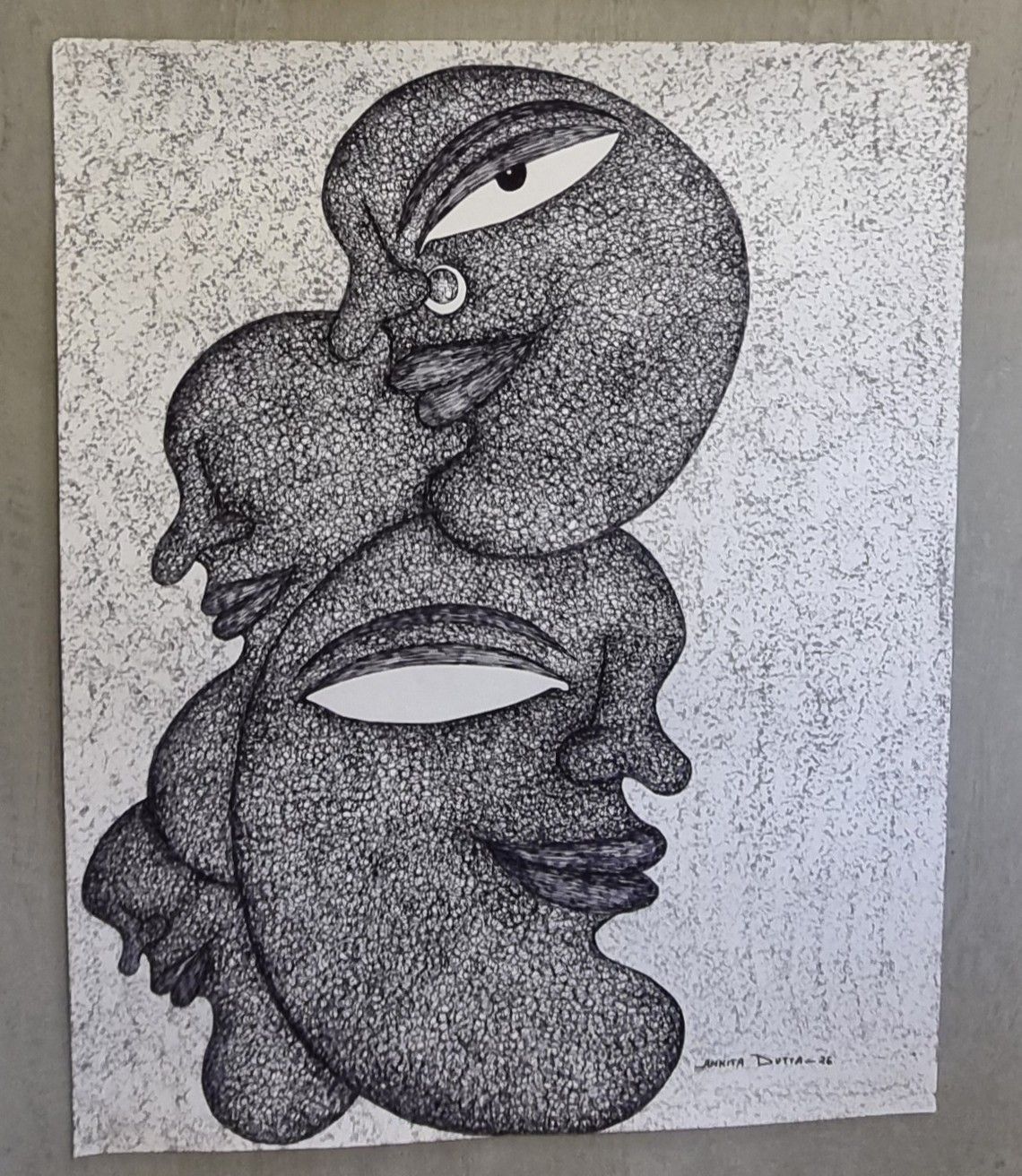
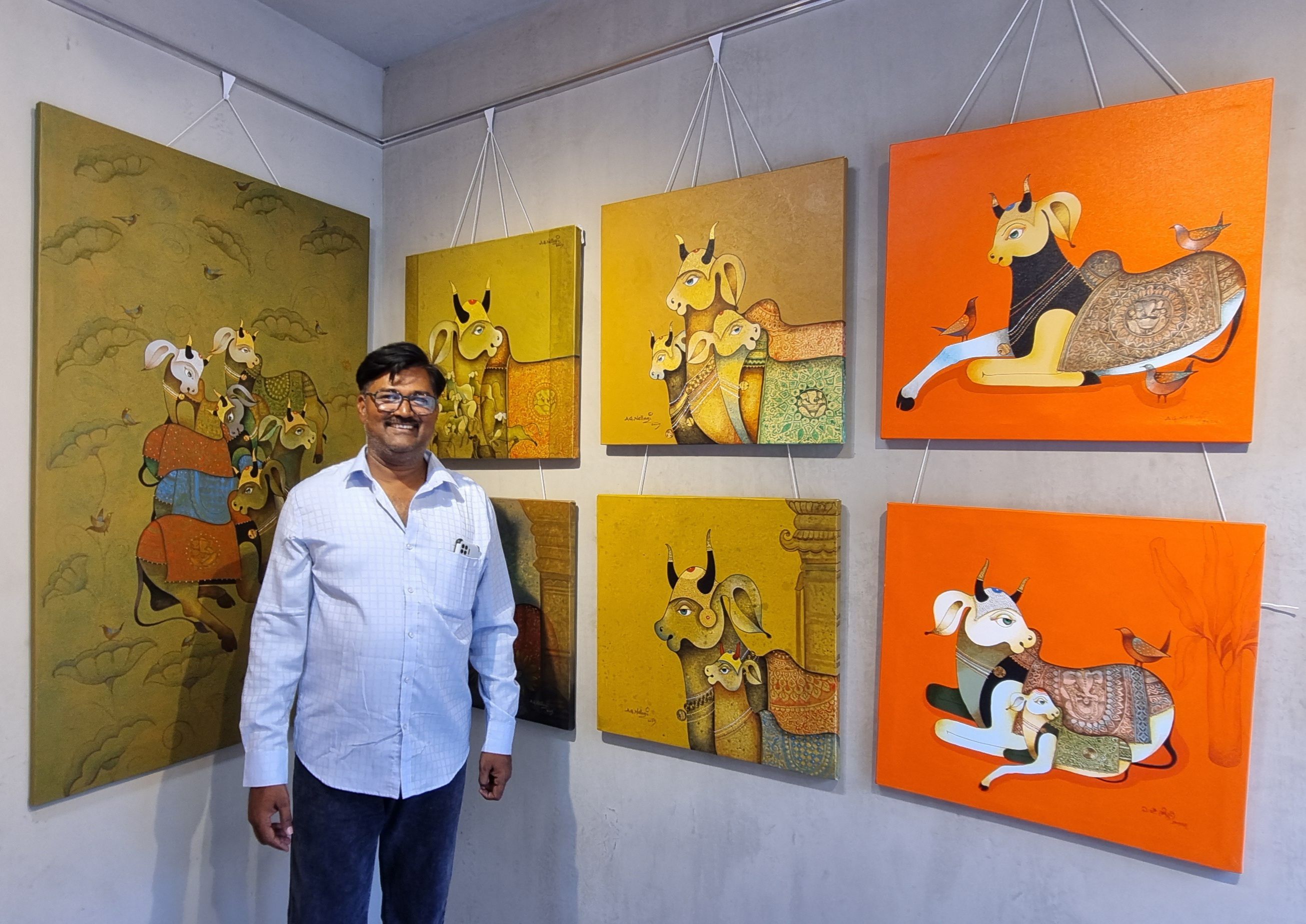
AG Nellagi
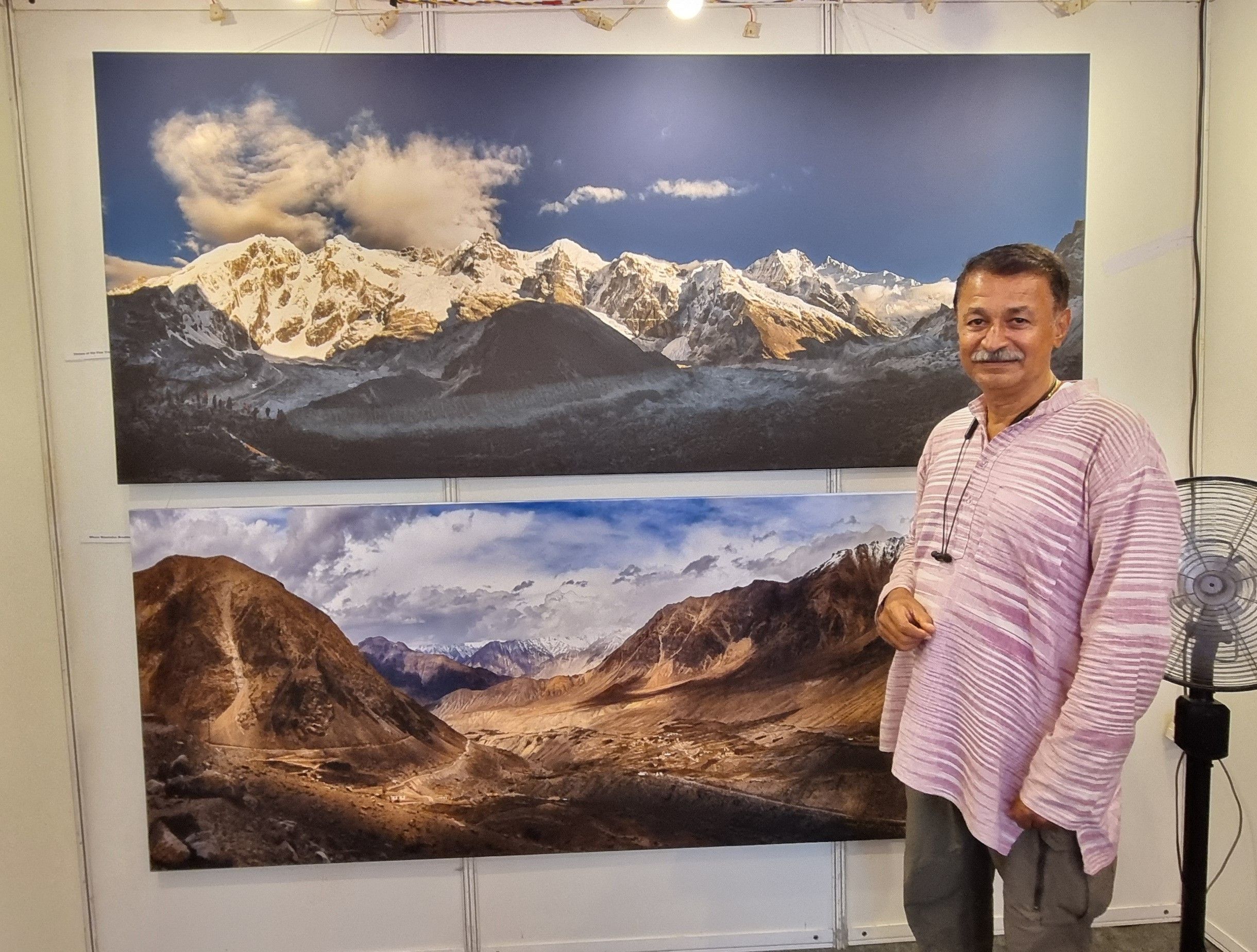
Ashok Mansur
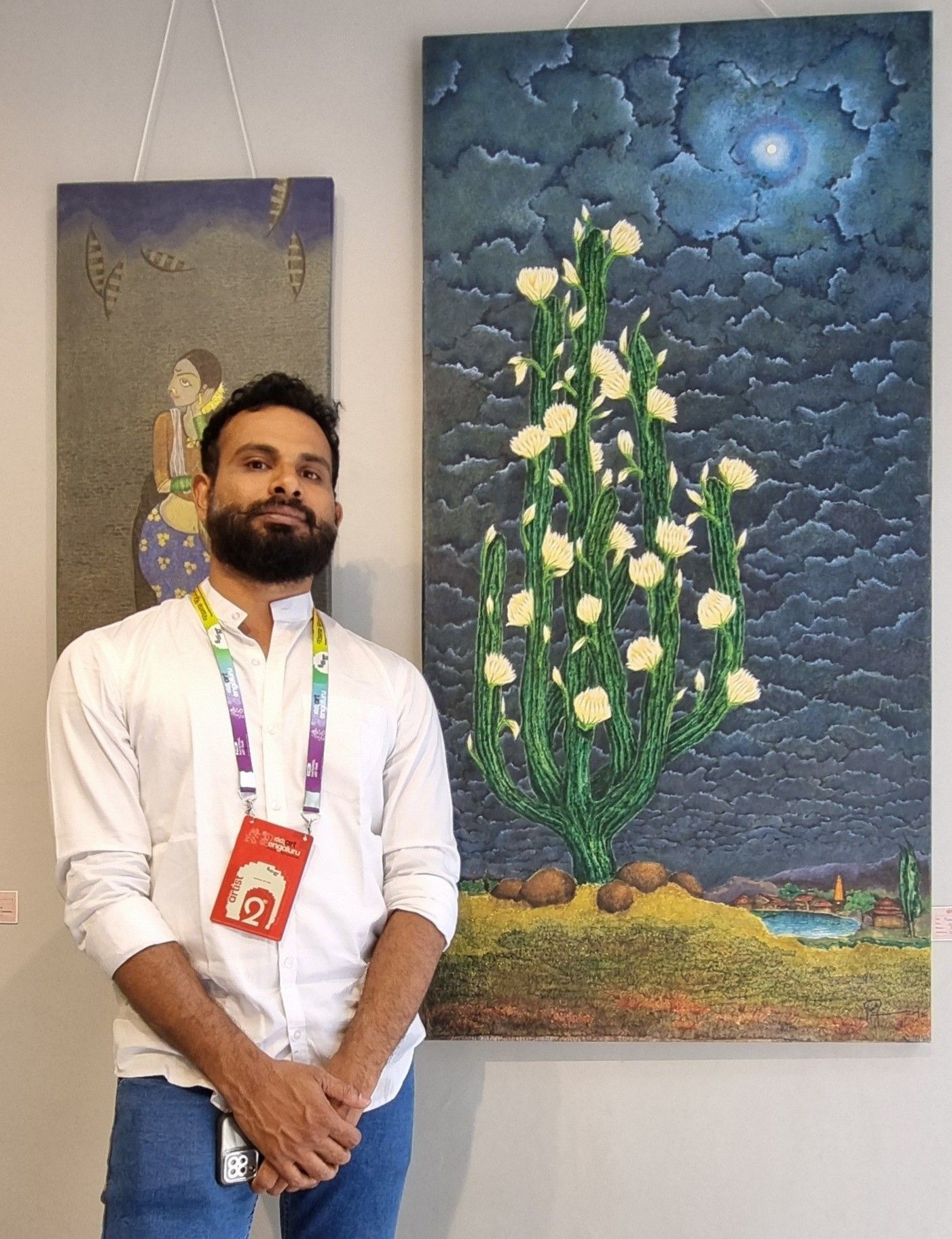
Dhiraj Balchandra Patil
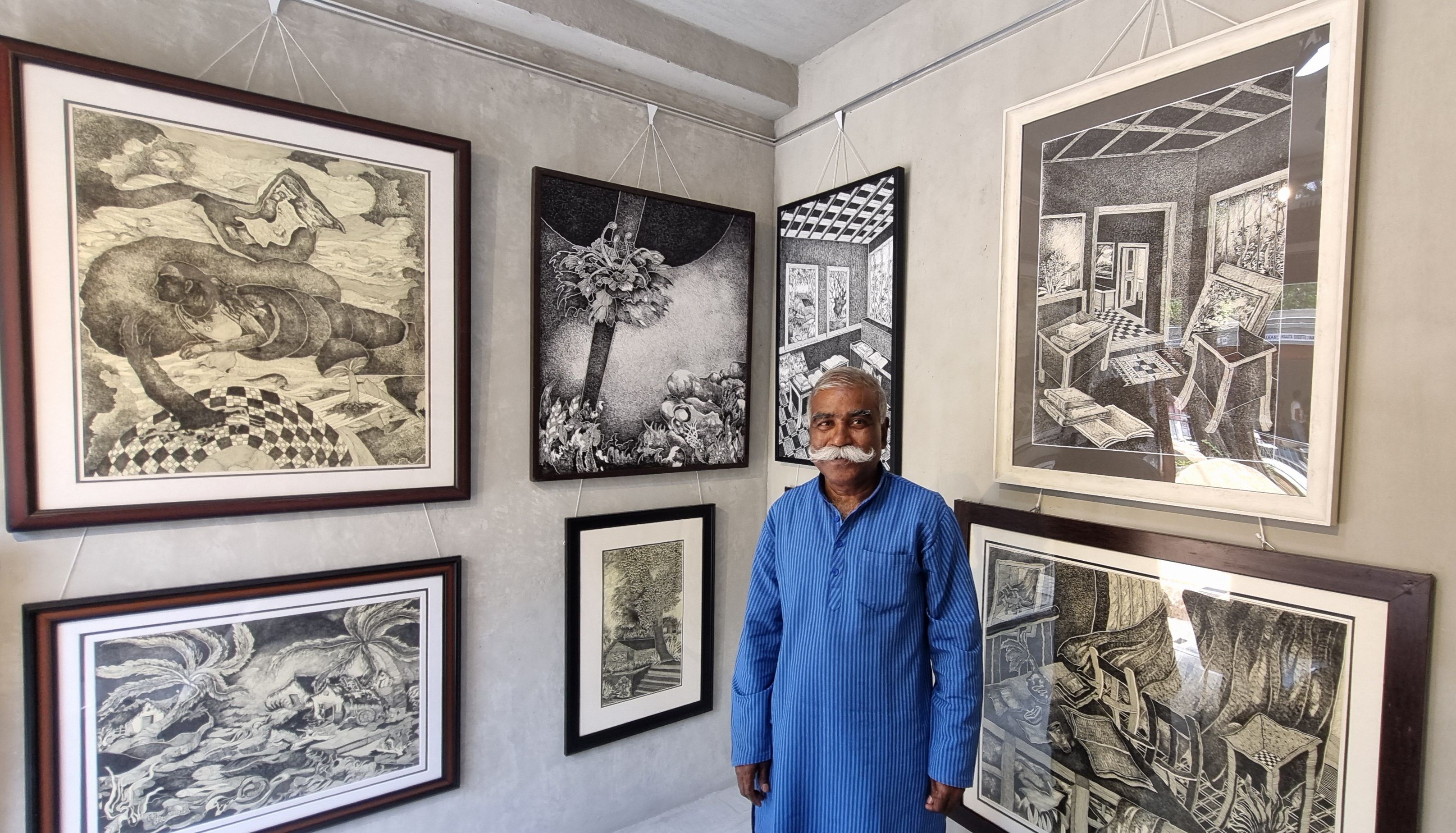
S M Lohar
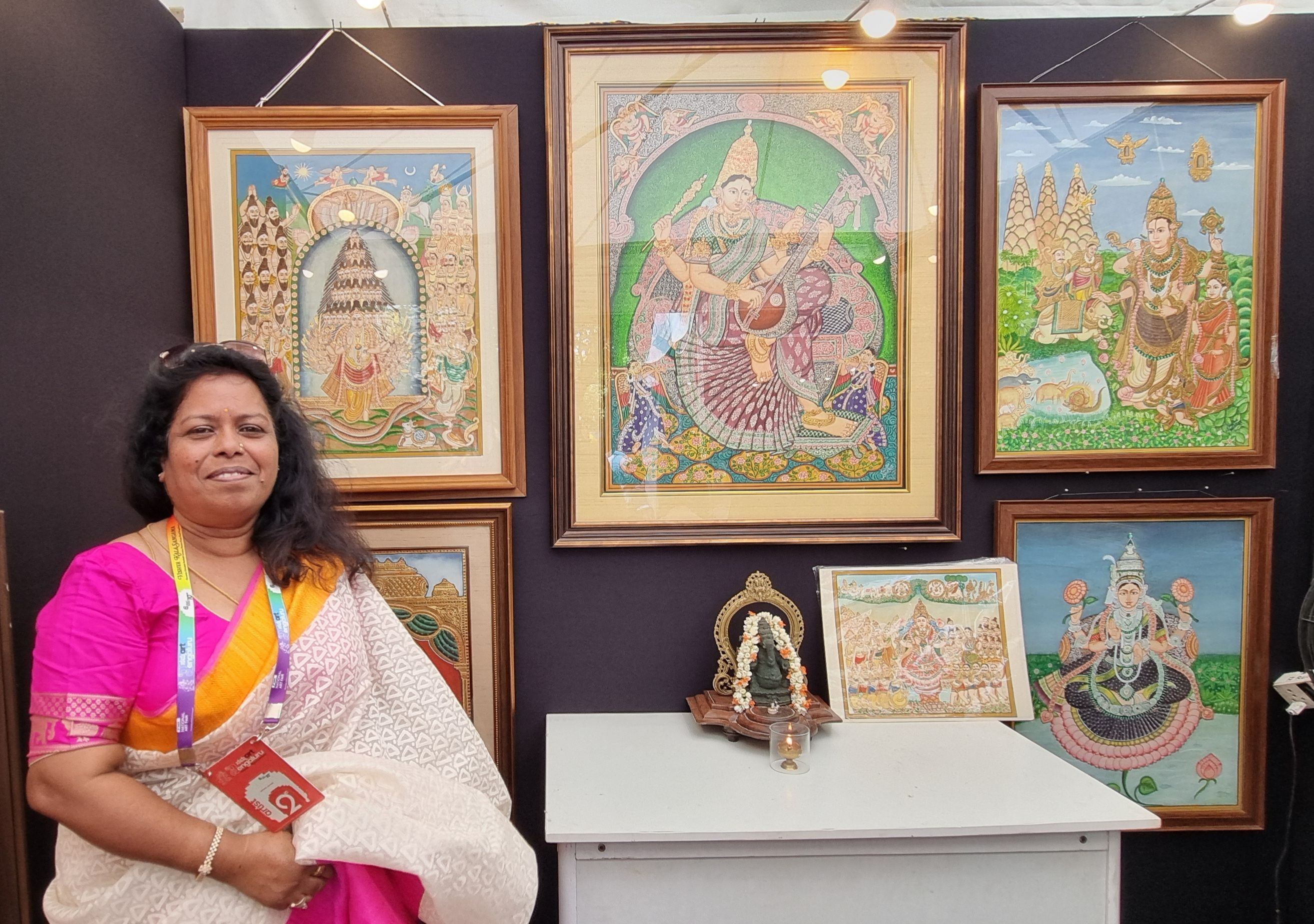
Sudha Sridhar
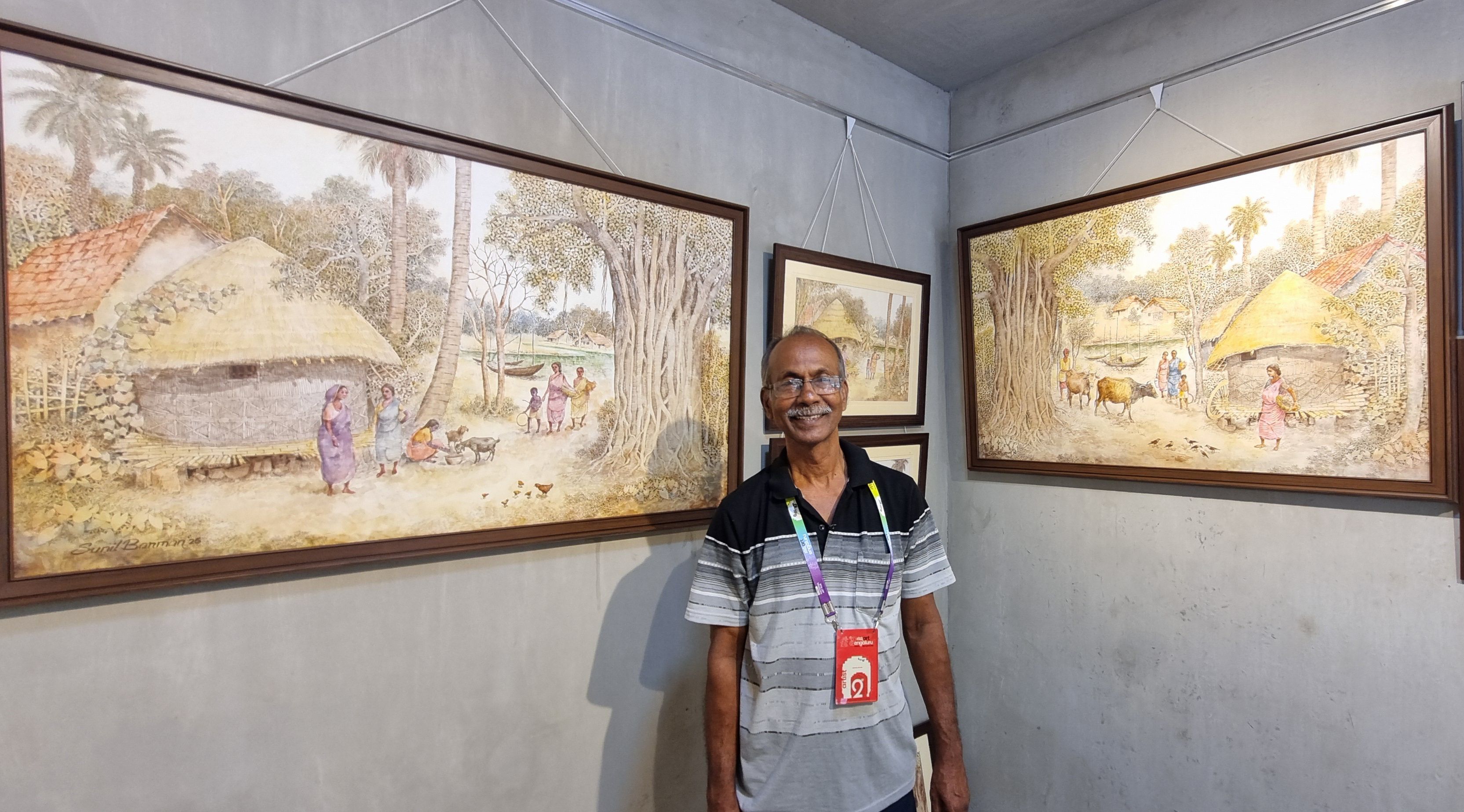
Sunil Barman
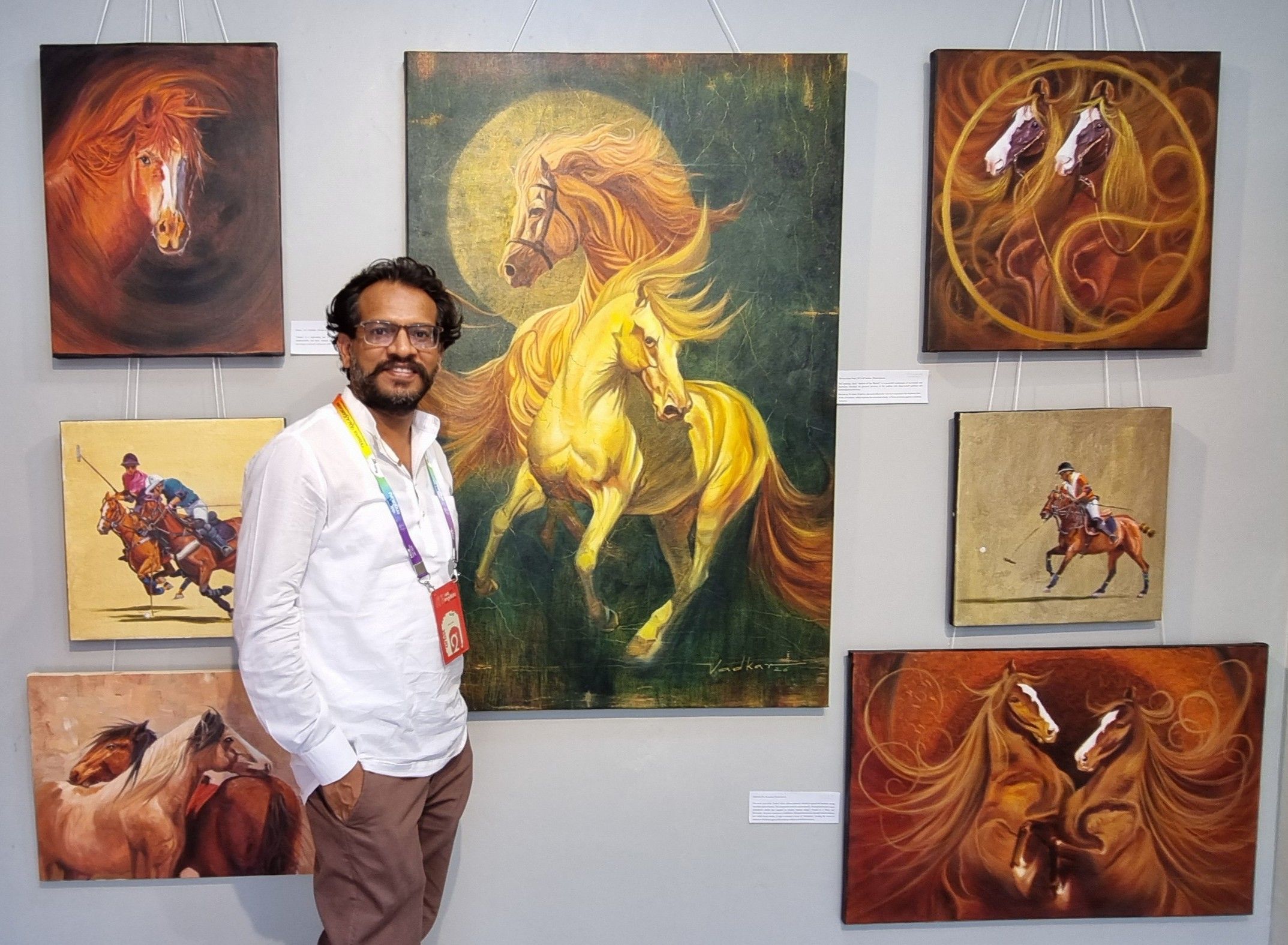
Vivek Vadkar
(All photographs taken by Madanmohan Rao on location at Karnataka Chitrakala Parishath.)
This content is published by YourStory and has not been created or edited by Hello Headlines. View original