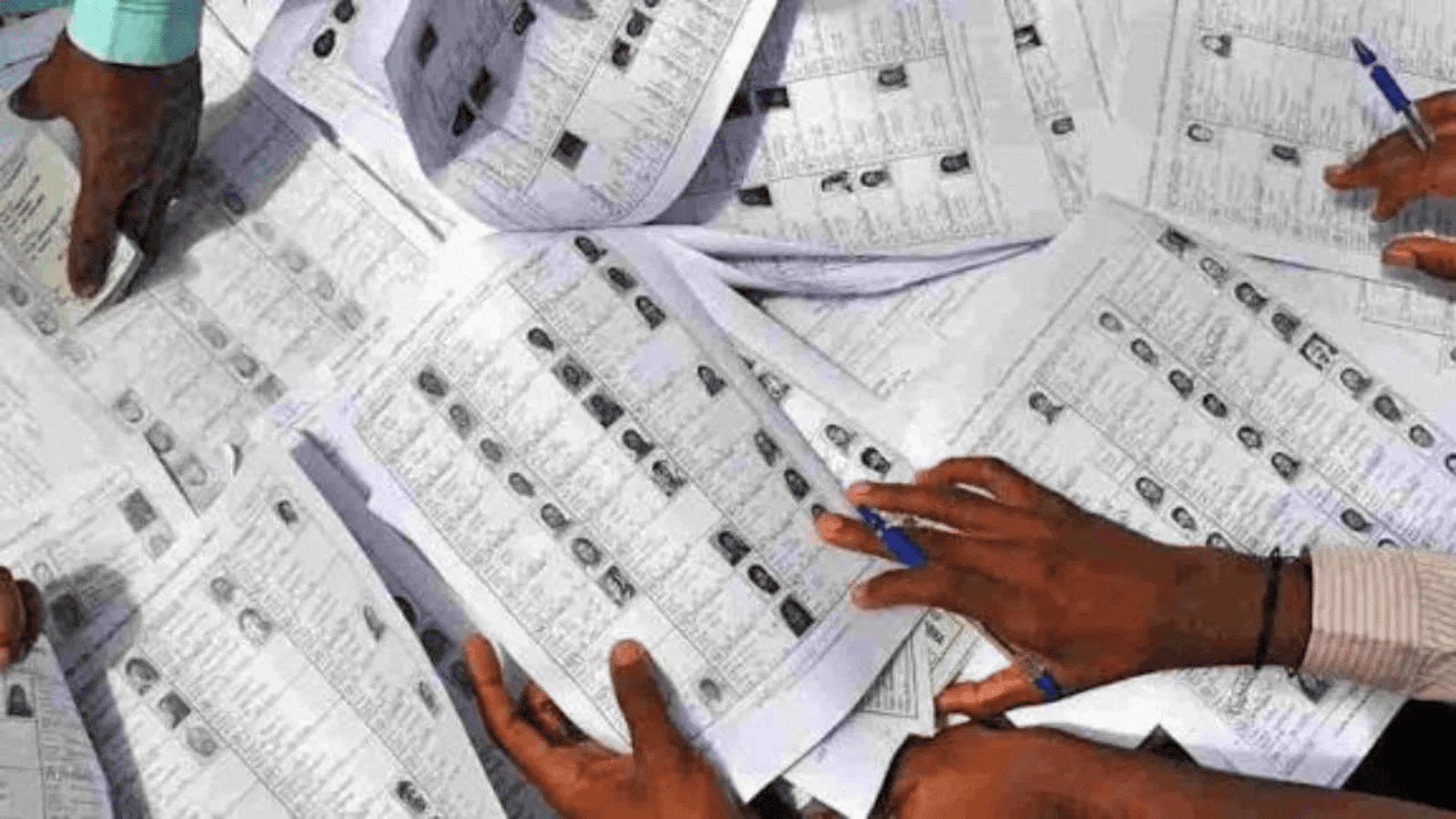
Telangana HC sets aside 500 ‘rubber stamp’ cognisance orders
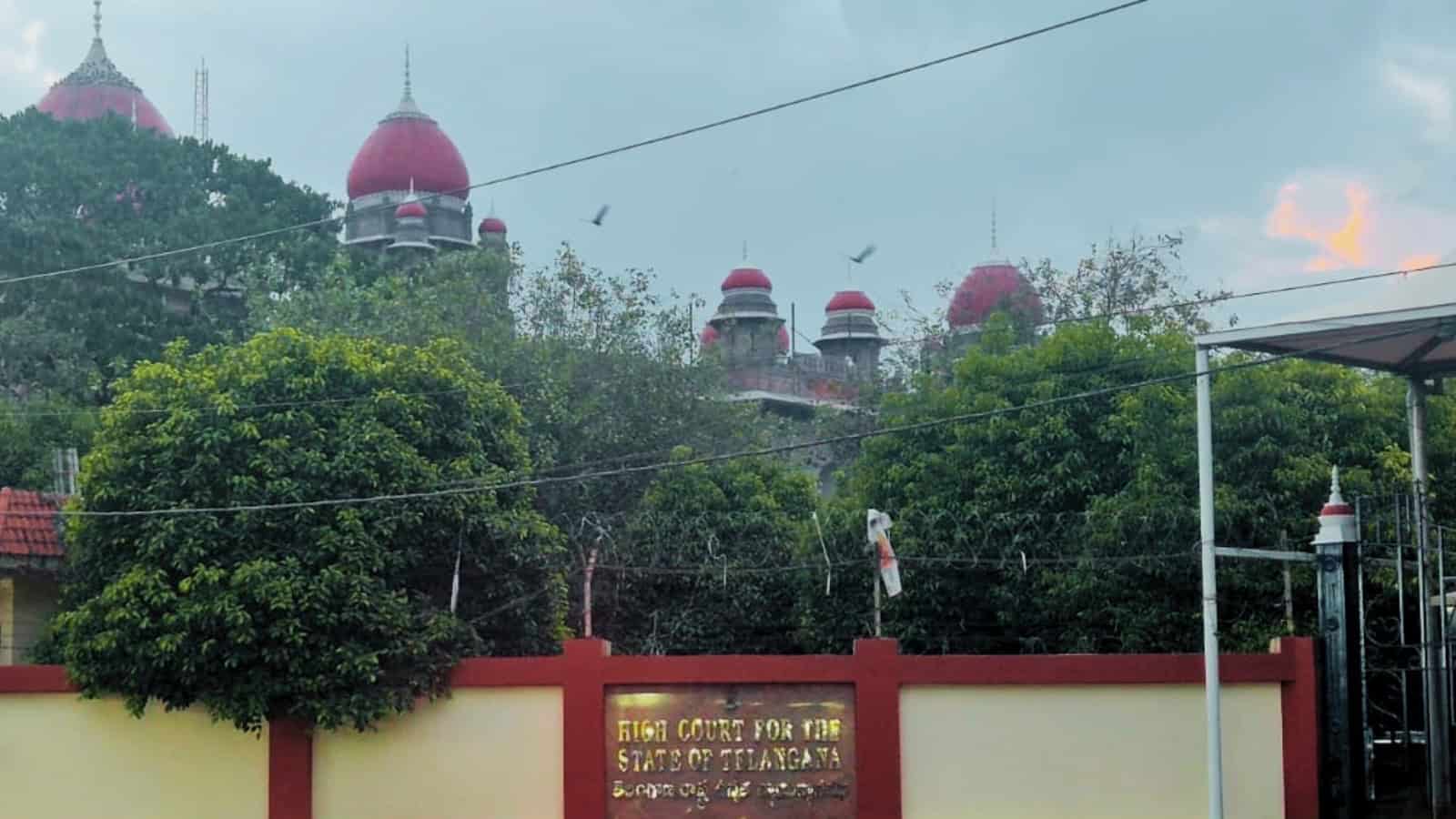
Hyderabad: The Telangana High Court has set aside more than 500 cognisance orders passed by magistrates since January this year, pulling up trial courts for taking cognisance of offences “by using rubber stamps” without applying their minds.
A cognisance order is an official judicial decision where a magistrate or judge applies their judicial mind to the facts of a case to officially recognise that a suspected offense has been committed and decide to start criminal proceedings.
Justice J Sreenivas Rao made the remarks in an order dated October 29 on a petition filed by the complainant in a Gachibowli assault case. He directed that the order be circulated to all magistrates in the state. He also asked the Telangana State Judicial Academy to train judicial officers on the law governing cognisance.
“It is a matter of serious concern that, despite several orders passed by this court pointing out such procedural irregularities, the same lapses continue to recur,” the judge said.
Complainant moves Telangana HC
Gachibowli Police had registered a case on August 25, 2025, against seven people for attempt to murder. The complaint was filed by Koduru Pitcheswara Rao, a 63-year-old businessman. The charge was later changed to Section 122(2) of the Bharatiya Nyaya Sanhita (BNS), which deals with voluntarily causing grievous hurt on grave and sudden provocation.
The final report was filed on July 31 this year before a judicial magistrate of first class in Rangareddy district at Kukatpally.
Most challenges to cognisance orders come from the accused. This one was brought by the complainant. His counsel, VSRMV Prasad Sanaka, argued that the magistrate took cognisance against the accused rather than of the offence. He said the magistrate issued summons without recording reasons. The accused could attack such a flawed order even after a conviction, he said, forcing the complainant into fresh litigation.
Additional Public Prosecutor Jithender Rao Veeramalla conceded the magistrate should have taken cognisance of the offence.
‘Offence, not offender’
The High Court found the magistrate had issued summons without even noting the date on which cognisance was taken.
The court relied on Supreme Court rulings, including Sunil Bharti Mittal v CBI (2015) and Chief Enforcement Officer v Videocon International Ltd (2008). It reiterated that cognisance is taken of an offence and not of an offender. A magistrate must record prima facie satisfaction before summoning anyone, it said.
Summoning a person to face criminal trial could not be done through “cryptic orders,” the judge said. He set aside the order and directed the magistrate to take cognisance afresh.
Repeat lapses
Justice Rao said that each time a “routine and mechanical” order is set aside, the case returns to square one and fresh summons have to be issued. This wastes the time of courts, the prosecution and the parties, he said, and delays cases for both the accused and victims.
He cited one case the High Court had sent back to a magistrate. It returned after the same magistrate again took cognisance mechanically. At that stage itself, the magistrate concluded that the accused had committed the offence and were liable to be punished.
Merely setting aside such orders “may not, by itself, achieve the desired result” unless judicial officers are properly sensitised, the court said.
It directed the Registrar to send the order to all Principal District and Sessions Judges, who are to circulate it among magistrates. It asked the judicial academy’s director to organise training on recording independent prima facie satisfaction.
The aim, the court said, was to stop such errors from recurring, cut avoidable litigation and save judicial time and public resources.
Get the latest updates in Hyderabad City News, Technology, Entertainment, Sports, Politics and Top Stories on WhatsApp & Telegram by subscribing to our channels. You can also download our app for Android and iOS.
This content is published by The Siasat Daily and has not been created or edited by Hello Headlines. View original