Waghoba Habitat Foundation Is Using Indigenous Knowledge to Conserve Aarey Forest and Financially Empower the Tribal Communities (VIDEO)
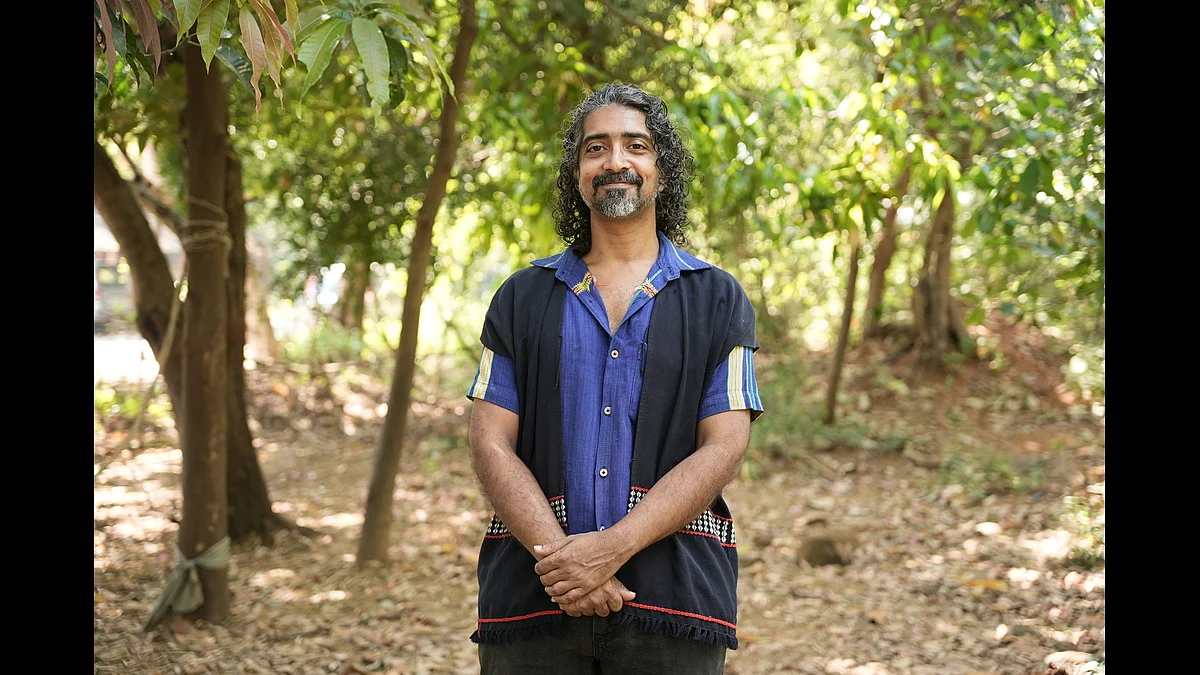
What began as a group of people coming together to plant trees in Aarey Forest during the Covid-19 lockdown has evolved into an initiative that seeks to change the way people understand and practise conservation. For Sanjiv Valsan, founder of Waghoba Habitat Foundation (WHF), protecting a forest cannot be separated from protecting the communities that have lived in and cared for it for generations.
"Over the years, I got to know the 8,000 to 10,000 people of the Adivasi communities of Aarey at a more personal level. And the more time I spent with the communities, the more I realised that their aspirations were closely aligned. They wanted to live sustainably, preserve the city's last green spaces and protect the people who have been safeguarding the forest, explains Valsan.
Waghoba Habitat Foundation's vision is rooted in the idea of human-nature coexistence. It works as an urban-tribal coalition, bringing together indigenous communities, conservation practitioners, urban stakeholders and the mainstream to create a shared approach to conservation.
The foundation's work started around tree plantations. However, Valsan soon realised that planting trees without understanding the local ecology or the needs of the communities was not enough. The approach needed to be more deliberate. The team began consulting the Adivasi communities about the trees they wanted to grow. Their preference was for grafted fruit trees, which would grow and bear fruit faster, providing food and an additional source of livelihood.
Valsan also encouraged them to plant native species that might not offer immediate economic returns but were important for the forest's biodiversity. One such tree was Mahua, which, according to the founder, has become increasingly scarce.
The tree has traditionally held considerable significance in the lives of the Warli Adivasis. “Mahua once constituted nearly 30 per cent of their diet. Its flowers, seeds and oil have several traditional uses, extending well beyond the production of alcohol, which is what the tree is commonly associated with,” shares Valsan, who is also a photographer and a journalist.
Convincing communities to plant Mahua, however, required looking beyond immediate benefits. It takes approximately 12 to 13 years for the tree to begin producing flowers and seeds. The foundation encouraged the communities to invest in these trees despite the long wait, combining them with fruit-bearing species that could provide more immediate returns. The idea was to create a balance between livelihood needs and ecological restoration.
This approach also took shape at Chinchwadi, near Karjat, where the foundation worked with the indigenous community to declare that area as Tatachi Vanrai, a sacred grove, which would ensure the protection of the forests and its resources. Apart from these two locations. WHF also works around the biodiversity of Elephanta Island. The objective everywhere is to preserve traditional ways of using and managing natural resources while creating a space where biodiversity and livelihoods can coexist.
“For Waghoba, conservation also means creating an economic incentive for communities to protect biodiversity rather than resort to practices that could deplete it,” he says. An important part of this effort is the foundation's wild foods lab in Aarey. The initiative draws on the knowledge of indigenous communities and traditional knowledge keepers to explore the uses of forest produce and develop products from these resources.
Mahua is one of the key examples. “We have been exploring its traditional applications and developing products such as Mahua butter, mosquito repellent, oil, for skin and hair care and various kinds of pickles,” he adds.
They have also experimented with other biodiversity resources available in Aarey and Chinchwadi, including bamboo shoots, tubers, wild greens and Karvand. These have been used to develop a range of pickles and preserves. “We also brought in expertise from outside the community. A chef from Cyprus, who specialises in fermentation, has contributed to the development of Korean-style sweet ferments using forest produce,” he says.
For Valsan, these initiatives demonstrate how traditional ecological knowledge can be adapted to contemporary needs without losing its connection to the forest. "We have all this knowledge with us. You can either put it into a PDF and lock it up on the internet, or you can actually do something with it and make it a living thing," he says. The foundation has chosen the latter approach, using food and biodiversity-based products to create livelihood opportunities for communities practising a sustainable way of life.
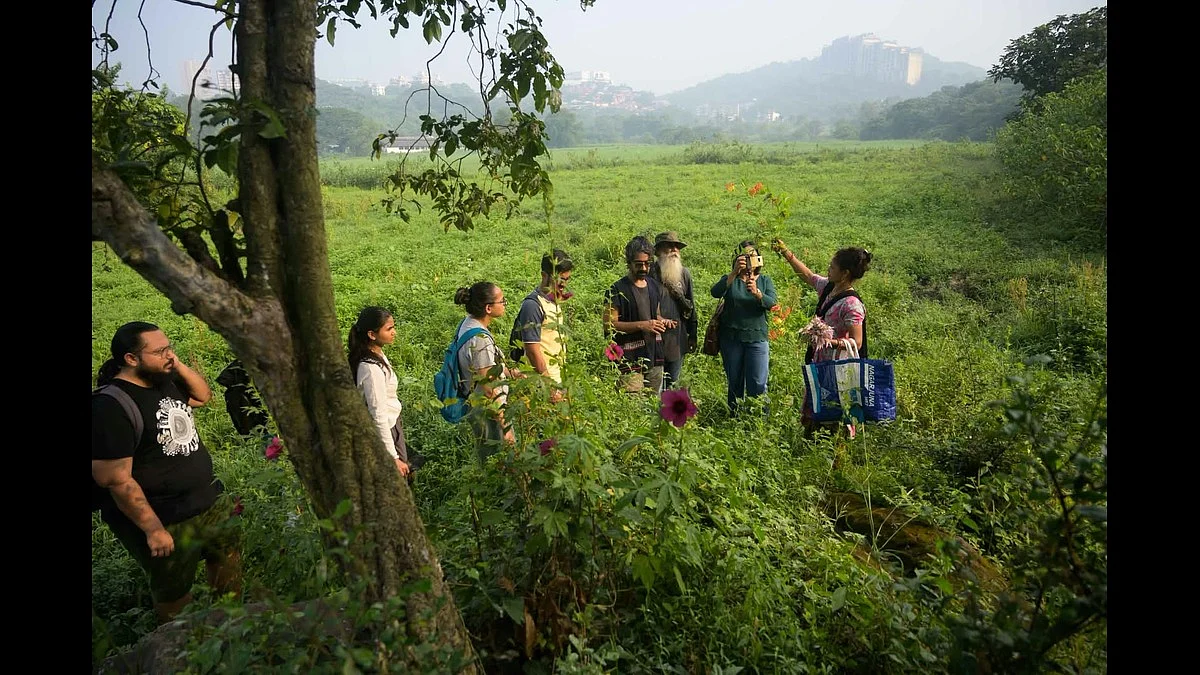
Food has also become an important way for WHF to engage urban audiences with conservation. They believe it offers a non-confrontational way to introduce people to complex issues such as deforestation, the urban-tribal relationship and the often conflicting narratives around development and the environment. The foundation organises forest walks and workshops that bring city residents into Aarey to learn from the Adivasi communities. Participants are introduced to edible forest plants, wild foods and medicinal plants, and learn how indigenous communities identify and use these resources.
The experience is designed to engage all five senses, including taste. Participants get to eat some of the forest produce they encounter during the walk. Through these interactions, the foundation hopes to build a deeper understanding of the forest and the communities that depend on it. For Valsan, conservation cannot remain an isolated exercise undertaken by a handful of environmentalists. It must involve the people who have traditionally protected these ecosystems, while ensuring that they have sustainable ways to support themselves.
By connecting indigenous knowledge with contemporary livelihood models and bringing urban communities closer to nature, Waghoba Habitat Foundation is attempting to build a model in which the interests of people and the forest are not seen as competing priorities, but as part of the same future.
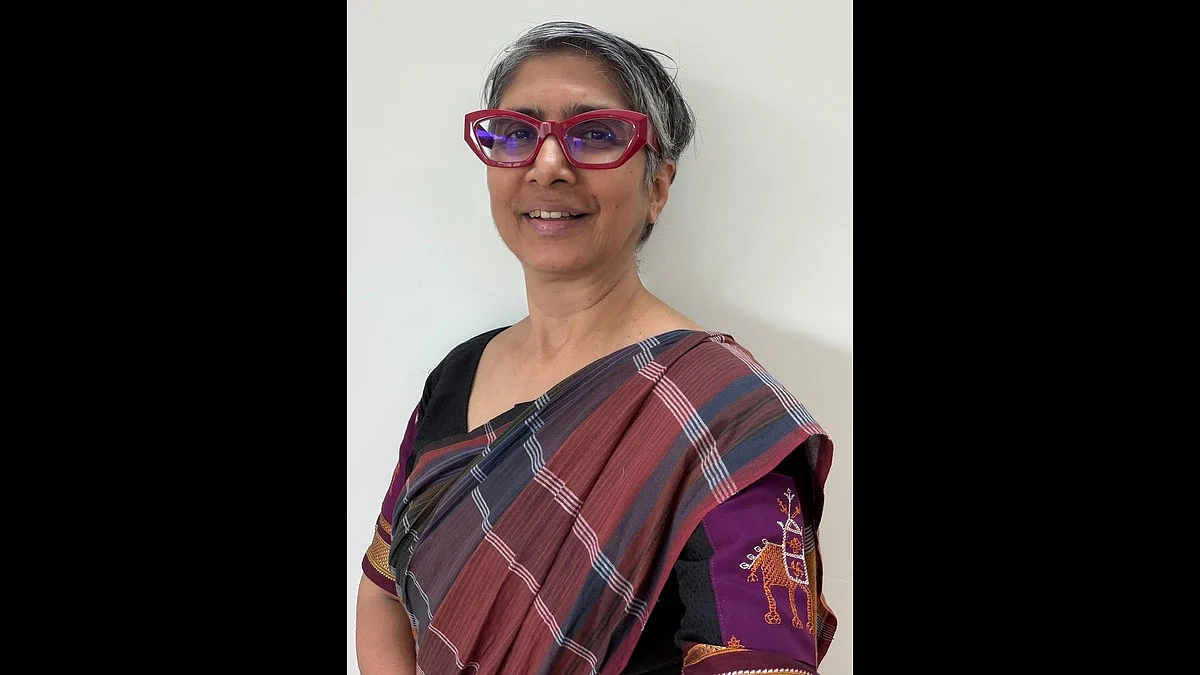
Meenakshi Shedde, film curator and activist, shared. “I have attended several of Sanjiv's workshops and forest walks, and what I particularly appreciate is that they are led by indigenous people, especially women. They are not just walks through the forest but opportunities to understand its importance and learn from those who know it best. These experiences also give young participants a chance to understand where food comes from.”
If you’d like to get in touch with the NGO, you can visit 9892212133.
This content is published by Free Press Journal and has not been created or edited by Hello Headlines. View original