Delhi-NCR Chokes On Toxic Air Days After Diwali, IIT Delhi Records Severe AQI Of 412
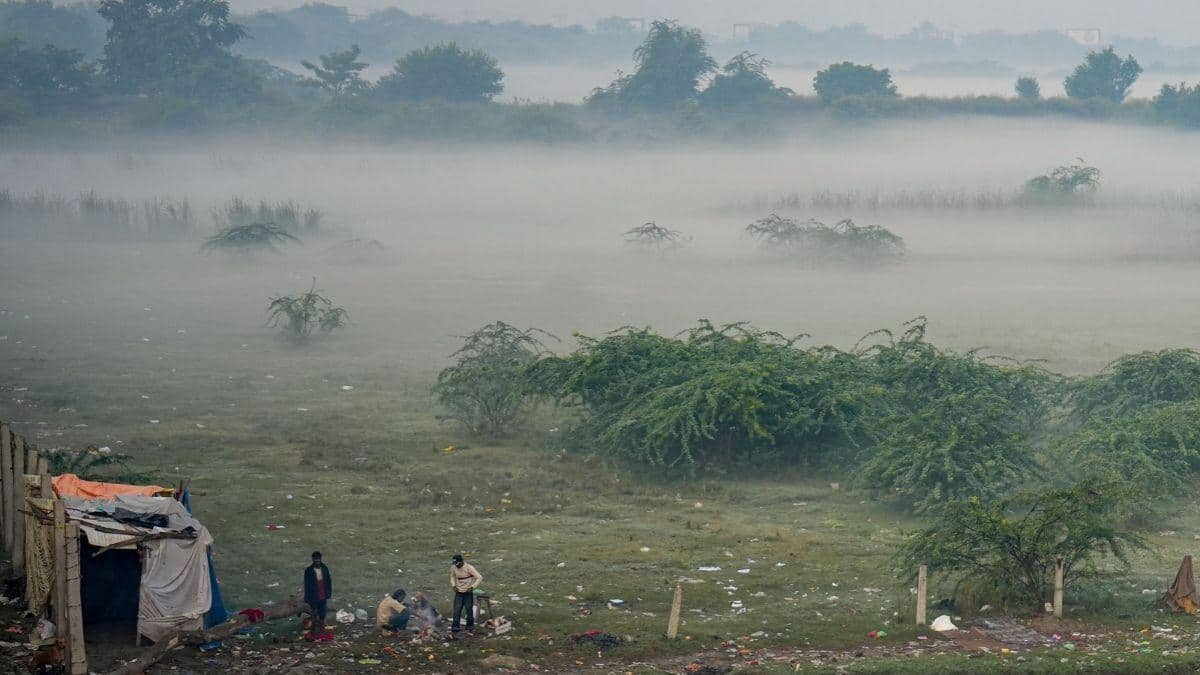
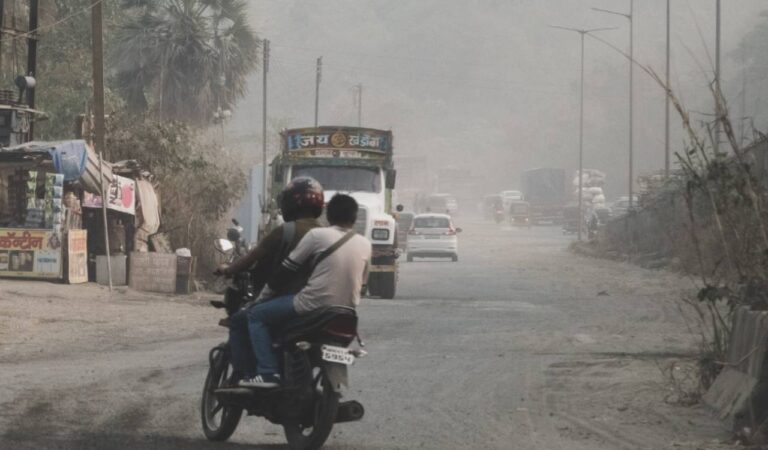
A thick blanket of smog continued to hang over Delhi on Thursday morning, with the national capital recording an average Air Quality Index (AQI) of 314, placing it in the ‘very poor’ category, according to Central Pollution Control Board (CPCB) data. Several monitoring stations reported significantly worse conditions, with IIT Delhi recording an AQI of 412, entering the ‘severe’ category.
The situation remained particularly concerning at several locations across the city. NSUT, Jaffarpur and ITO each recorded an AQI of 394, while North Campus reported 392 and Chandni Chowk registered 388.
Pollution levels were also elevated across the National Capital Region (NCR). Gurugram recorded an AQI of 300, followed by Noida at 284, Ghaziabad at 280 and Faridabad at 270.
The latest readings underline how Delhi's pollution problem has persisted even days after Diwali, with air quality continuing to fluctuate between the ‘very poor’ and ‘severe’ categories at different monitoring locations.
Delhi's Air Quality Deteriorated Even Before Diwali
The pollution crisis had begun building up even before the festival. An analysis by the Centre for Science and Environment (CSE) found that Delhi's average PM2.5 concentration during the week preceding Diwali stood at 236 micrograms per cubic metre, the highest for the corresponding period in three years.
The figure was 97% higher than the average of 120 micrograms per cubic metre recorded during the same period in 2025. It was also 32% above the 179 micrograms reported in 2024, highlighting the extent of the deterioration ahead of the festival.
The findings suggest that the capital was already grappling with a substantial pollution burden before Diwali celebrations and the accompanying use of firecrackers added to the problem.
AQI Remains High Days After Diwali
Delhi's air quality worsened around Diwali, with the city's average AQI reaching 376 on November 8. This was higher than the AQI of 345 recorded on Diwali in 2025.
The situation remained in the ‘very poor’ category over the following days. Delhi recorded an average AQI of 344 on November 9, which improved to 299 on November 10 before rising again to 313 on November 11, according to reported CPCB figures.
The latest readings on Thursday morning showed the average AQI at 314, indicating that the improvement recorded earlier in the week had not been sustained.
Firecrackers Add To Delhi's PM2.5 Pollution
Firecrackers also contributed to the city's pollution levels during the Diwali period. Real-time source analysis showed that they accounted for 7.4% of Delhi's PM2.5 pollution on Wednesday, November 11.
The contribution came amid already elevated particulate pollution, with the CSE analysis showing that PM2.5 concentrations had reached a three-year high for the week before Diwali.
With several parts of Delhi continuing to record ‘severe’ pollution levels, the national capital remains under the grip of unhealthy air even as the festival has passed.
This content is published by ABP Live - India and has not been created or edited by Hello Headlines. View original