Weight Loss Drugs May Increase Risk Of Permanent Vision Loss, FDA Raises Concern
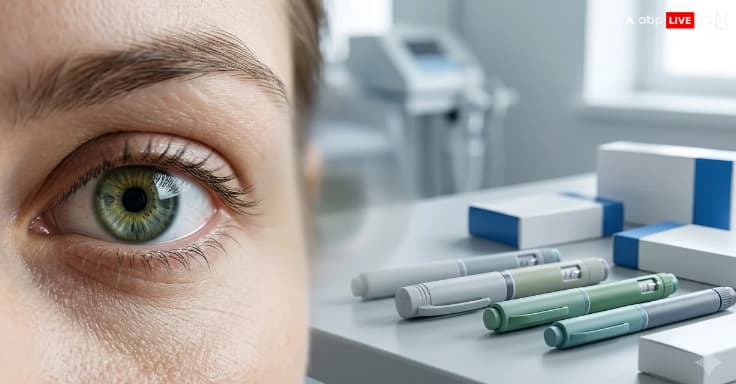
Weight loss medications are widely used to manage obesity and type 2 diabetes. However, these drugs have come under scrutiny over a possible link with a rare eye condition that can cause sudden and potentially permanent vision loss.
The US Food and Drug Administration (FDA) has decided to introduce new safety warnings for certain popular medications, including Ozempic, Wegovy, Mounjaro and Zepbound. The warning highlights the potential risk of a condition called Non-Arteritic Anterior Ischaemic Optic Neuropathy (NAION), which affects the optic nerve.
What Is NAION And How Can It Affect Your Eyes?
Non-Arteritic Anterior Ischaemic Optic Neuropathy (NAION) is a rare eye condition that occurs when the blood supply to the optic nerve is reduced. The optic nerve plays an important role in transmitting visual information from the eyes to the brain.
A reduction in blood flow can damage the optic nerve and lead to sudden vision loss. The condition generally affects one eye and is usually painless.
Some common symptoms of NAION include:
-
Sudden loss of vision in one eye.
-
Blurred or unclear vision.
-
Blind spots or dark areas in the field of vision.
-
Difficulty seeing clearly in the affected eye.
One of the major concerns associated with NAION is that there is currently no established treatment that can restore vision loss caused by the condition.
ALSO READ | High Blood Sugar Can Be Deadly: 6 Life-Threatening Complications You Should Know
Which Weight Loss Drugs Are Linked To This Potential Risk?
The FDA has asked for updated safety warnings on GLP-1 medications to include information about the potential risk of NAION.
These include:
-
Ozempic: A medication containing semaglutide, primarily used to manage type 2 diabetes.
-
Wegovy: Another semaglutide-based medication prescribed for weight management.
-
Mounjaro: A medication containing tirzepatide, used to manage type 2 diabetes.
-
Zepbound: A tirzepatide-based medication approved for weight management.
-
Soliqua: A combination medication used to manage blood sugar levels in people with type 2 diabetes.
While concerns have been raised about a possible connection between these medicines and NAION, pharmaceutical companies have also highlighted that the available research does not establish a direct cause-and-effect relationship.
Novo Nordisk has stated that existing research does not prove that GLP-1 medications cause NAION. Eli Lilly has also clarified that the FDA's safety information does not point to a specific conclusion about its medicines.
Why Has The FDA Raised Concerns About These Medicines?
The FDA began investigating the possible association between GLP-1 medications and NAION following a study published in 2024 in JAMA Ophthalmology.
The study reported an increased risk of NAION among patients taking semaglutide, the active ingredient in Ozempic and Wegovy.
Following these findings, the FDA reviewed clinical trial data and other available research to assess the possible safety concern. The agency also acknowledged certain limitations in the initial study.
ALSO READ | Closing Bathroom Door After Flushing May Trap Germs Inside, Here's Why
What Did The Clinical Trial Analysis Reveal?
As part of its review, the FDA analysed data from 126 clinical trials involving more than 1,34,000 patients.
The analysis identified 15 potential cases of NAION. Of these, 10 cases were reported among people taking GLP-1 medications, while five occurred among those taking a placebo or other diabetes medicines.
The FDA's analysis found the following:
-
GLP-1 medication users: 6.4 cases of NAION per 1 lakh person-years.
-
Placebo or other diabetes medication users: 3.8 cases per 1 lakh person-years.
These findings indicate a higher reported incidence among people taking GLP-1 medications. However, the number of cases was small, and the findings do not establish that these drugs directly cause the condition.
Can Weight Loss Drugs Really Cause Permanent Vision Loss?
The possible connection between GLP-1 medications and NAION has not yet been conclusively established. Research findings have also been inconsistent, with different studies reporting varying results.
Medical experts believe that further research is needed to understand whether these medications increase the risk of the condition and how such a link might occur.
The FDA has also reported NAION cases involving currently used GLP-1 medications. However, its review of animal data did not establish how these medicines could potentially increase the risk.
Therefore, the concern is being treated as a potential safety risk rather than confirmed proof that these medications cause blindness.
Symptoms You Should Never Ignore While Taking Weight Loss Drugs
People taking GLP-1 medications should remain alert to sudden changes in their eyesight.
If you experience sudden vision loss in one eye, blurred vision or blind spots, seek immediate medical attention. Early medical evaluation is important to identify the underlying cause and assess the condition.
If NAION is diagnosed, patients should discuss the continuation of their GLP-1 medication with their treating doctor. Any decision to stop, change or continue the medication should be made under medical supervision.
[Disclaimer: The information provided in the article is intended for general informational purposes only. It is not a substitute for professional medical advice, diagnosis, or treatment. Always seek the advice of your physician or other qualified healthcare provider with any questions you may have regarding a medical condition.]
This content is published by ABP Live - Lifestyle and has not been created or edited by Hello Headlines. View original