AIIMS Introduces Video Consultation Facility To Make Follow-Up Care Easier
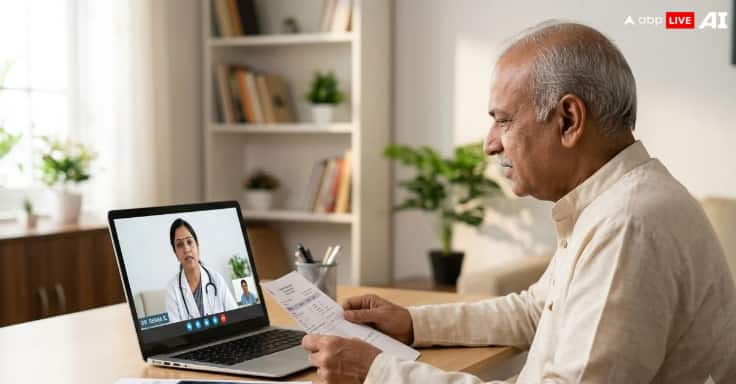
Patients visiting the All India Institute of Medical Sciences (AIIMS) may no longer need to travel to the hospital for every follow-up appointment. With the help of digital healthcare technology, AIIMS is offering video consultation facilities that allow patients to connect with doctors remotely, share medical reports and receive treatment updates from home.
The telemedicine facility is expected to provide significant relief to patients who frequently travel long distances for treatment. It can help reduce the time, travel expenses and inconvenience associated with repeated hospital visits, particularly for those who only need follow-up consultations.
How Does AIIMS Video Consultation Work?
Through the telemedicine facility, patients can consult doctors over video calls and discuss their health conditions without physically visiting the hospital. They can share diagnostic reports, provide updates about their recovery and seek advice regarding their ongoing treatment.
Doctors can review the available medical information and recommend further treatment, medication adjustments or necessary precautions based on the patient's condition. The facility is particularly useful for patients who need regular medical reviews but do not require an in-person examination during every appointment.
ALSO READ | High Blood Sugar Can Be Deadly: 6 Life-Threatening Complications You Should Know
Which Patients Can Benefit From This Facility?
The video consultation facility can be particularly beneficial for patients undergoing long-term treatment and those who require regular follow-ups.
Patients managing chronic conditions such as diabetes, high blood pressure, heart-related problems and other long-term illnesses often need periodic consultations to monitor their health and review their medications. Telemedicine can make these consultations more convenient.
Patients recovering from surgeries may also benefit from remote follow-ups in suitable cases. They can discuss their recovery progress with doctors and share relevant medical reports without travelling to the hospital every time.
The facility may also prove helpful for patients coming to AIIMS from different cities and states, allowing them to save on repeated travel and accommodation expenses.
ALSO READ | Burning Eyes After Diwali? 5 Effective Ways To Get Relief From Firecracker Smoke Irritation
When Will Patients Still Need To Visit AIIMS?
Although video consultations can make follow-up care easier, they cannot replace every hospital visit or medical procedure.
Patients requiring surgeries, chemotherapy, physical examinations or procedures that need direct medical supervision will still have to visit the hospital. Certain diagnostic tests and treatments also require the patient's physical presence.
Doctors may additionally recommend an in-person appointment if they feel a patient's condition cannot be adequately assessed through a video consultation.
The digital healthcare facility is therefore intended to complement conventional medical treatment, making follow-up consultations more accessible while ensuring that patients receive in-person care whenever necessary.
[Disclaimer: The information provided in the article is intended for general informational purposes only. It is not a substitute for professional medical advice, diagnosis, or treatment. Always seek the advice of your physician or other qualified healthcare provider with any questions you may have regarding a medical condition.]
This content is published by ABP Live - Health and has not been created or edited by Hello Headlines. View original