Intelligence Agencies Flag Security Risks In ‘Made In India’ CCTV Cameras With Chinese-Origin Technology
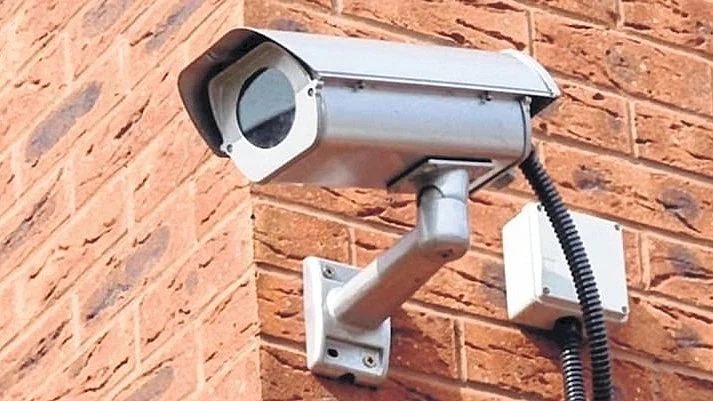
Mumbai, November 12, 2026: CCTV cameras guarding sensitive establishments could themselves pose a security risk, with intelligence agencies flagging Chinese-origin processors, software and firmware in devices marketed as ‘Made in India’ and warning of possible data leaks to foreign servers.
The concern is that CCTV systems connected to the internet through Wi-Fi networks could transmit live footage and sensitive device information to servers operated by foreign technology providers. The issue was flagged during an intelligence-sharing meeting of the Cyber Multi-Agency Centre (CyMAC), where a senior security agency official briefed other agencies about vulnerabilities in surveillance systems containing Chinese-origin technology, including cameras sold under Indian brand names.
A senior official, speaking on condition of anonymity, stressed the need for periodic audits of devices used for digital surveillance. “Continuous network audits and hardware-level verification of CCTV systems installed at strategic establishments are essential to identify vulnerabilities that may not be evident from the brand name or country-of-manufacture label,” the official said.
The government had introduced restrictions on procuring surveillance equipment from Chinese and other foreign manufacturers, while prioritising Indian companies complying with prescribed security standards. In March 2021, the government acknowledged concerns over CCTV footage being transmitted to overseas servers, potentially exposing security arrangements at sensitive government and military establishments. The rules were tightened further in 2024, with mandatory testing and certification requirements for internet-connected CCTV cameras taking effect from April 1, 2026. The assessment covers hardware, software and firmware, including source code wherever required.
According to officials familiar with the intelligence inputs, cameras manufactured by Indian companies have been found installed at government establishments and private organisations. However, some reportedly contain Chinese-origin software, processors and other critical components, raising concerns about their security.
Potential Espionage Risks
Security agencies fear that such cameras could be exploited for espionage, allowing foreign entities to monitor activities within sensitive government premises. Live footage could reveal the movements and routines of senior government officials, military personnel and ministers. Cameras inside offices and restricted areas could also capture information displayed on computer screens and confidential documents. Footage of buildings could expose internal layouts, entry and exit points and security arrangements, potentially compromising vital installations, an official said.
The threat extends beyond surveillance footage. Compromised cameras could provide cyber attackers with an entry point into connected networks, enabling them to access government databases and communication systems. Hackers could also gain administrative control of the devices, disable surveillance feeds or disrupt security monitoring during emergencies.
A recent espionage investigation highlighted how commercially available Chinese surveillance equipment could be exploited to gather sensitive military information. In April 2026, the Delhi Police Special Cell arrested 11 people for their alleged involvement in a Pakistan-linked espionage network that had installed nine solar-powered, SIM-enabled CCTV cameras near sensitive military locations across Punjab, Haryana, Rajasthan and Jammu and Kashmir. The cameras allegedly transmitted live footage of troop movements and military logistics routes to Pakistan-based handlers.
Concerns Over Indian-Branded Cameras
The latest intelligence inputs have also raised concerns about cameras marketed by Indian companies containing Chinese-origin technology despite carrying the ‘Made in India’ label. A senior official said this was partly linked to white-labelling, under which companies import individual components, including circuit boards and lenses, and assemble them domestically before selling the finished products under Indian brand names.
While local assembly allows products to carry an Indian manufacturing label, critical components such as the System-on-Chip (SoC) and processors may still be sourced from foreign manufacturers. This makes it difficult to establish the actual origin of the technology through a camera's brand name or country-of-manufacture label alone.
Foreign Cloud Servers Add To Security Concerns
Another concern flagged during the CyMAC meeting was the cloud infrastructure supporting CCTV systems. Cameras configured through mobile applications often rely on backend cloud services operated by software developers. If their software and firmware are controlled by foreign technology providers, the devices could transmit live footage, device information and other data to overseas servers, including those in China, instead of processing or storing the information entirely within India. This could expose sensitive surveillance footage and details of security arrangements at critical installations to unauthorised access by foreign entities.
What Are The New CCTV Rules?
From April 1, 2026, internet-connected CCTV cameras sold in India are required to comply with the government's Standardisation Testing and Quality Certification (STQC) framework.
Under the requirements, manufacturers must disclose the origin of critical components, including chipsets, and subject their products to hardware and cybersecurity testing. The assessment also covers software and firmware to identify vulnerabilities and prevent unauthorised remote access.
Also Watch:
The certification process is aimed at ensuring that CCTV cameras meet prescribed security standards before being sold in India. Products that fail to secure the mandatory certification cannot be legally marketed or sold in the country under the applicable requirements.
To get details on exclusive and budget-friendly property deals in Mumbai & surrounding regions, do visit: https://budgetproperties.in/
This content is published by Free Press Journal and has not been created or edited by Hello Headlines. View original