October 2026 Hunter’s Moon: What Makes The Full Moon Special And Why It’s Worth Looking Up At The Night Sky
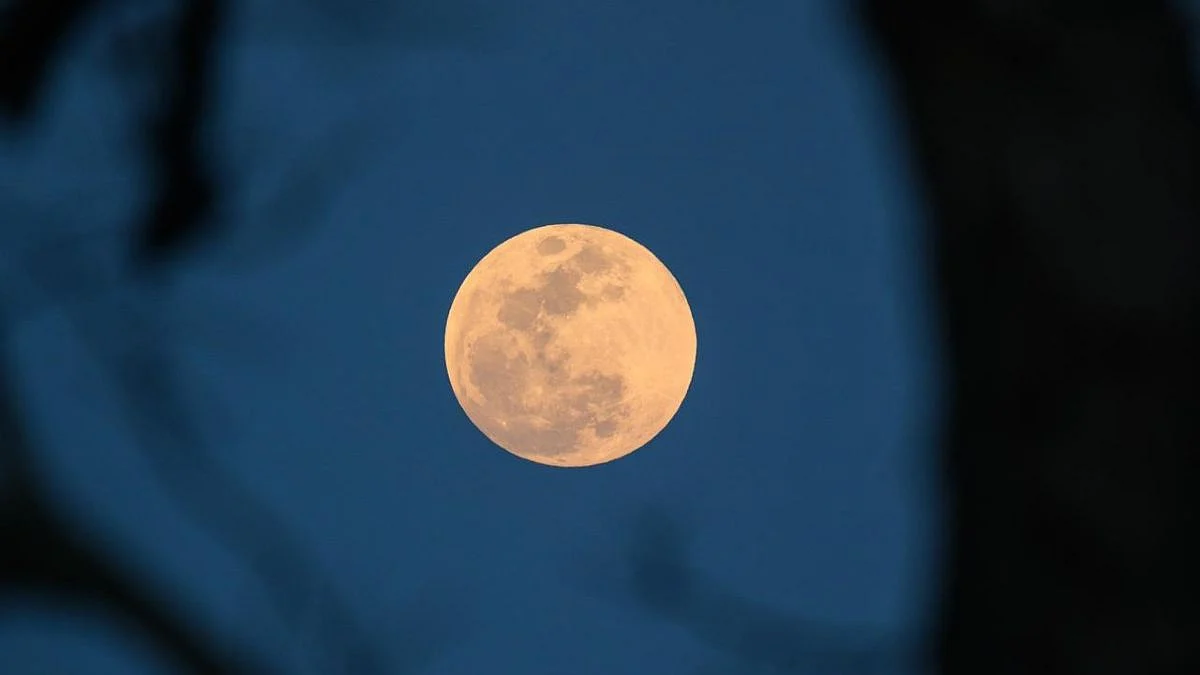
Stargazers and astronomy enthusiasts have a reason to look up at the night sky in October 2026 as the Hunter’s Moon, the traditional name for the full moon of the month, lights up the sky. Known for its seasonal significance and cultural associations, the Hunter’s Moon is an annual celestial event that offers an opportunity to observe the Moon in its full phase. According to Space.com, the Moon reached its peak illumination at 12:12 AM EDT. But how did this Moon get its unusual name? Let's unlock the mystery behind it.
View this post on Instagram
The October full moon occurs on October 26
The October full moon, also traditionally known as the Hunter's Moon, is one of the significant lunar events which was observed around the world on Sunday and Monday. In India, the Hunter's Moon's peak illumination occurred around 9:40 AM on October 26, 2026. That means the Moon was at the exact moment 100% full, but because this peak happened during daylight hours, skywatchers in India could not see the exact technical peak.
What is the Hunter’s Moon?
The term "Hunter’s Moon" is connected to the practice of hunting as a way to get ready for winter. Its roots can be linked to ancient farming and hunting traditions seen in numerous societies, especially in the Northern Hemisphere.
October 25, 2026 Hunter’s moon. This is not a sunset this is the moon.
— Stanley Roberts (@StanleyRoberts) October 25, 2026
The Hunter's Moon appears orange due to the dust in the air disrupting shorter wavelength light, causing the warm colors with their longer wavelengths to get through, making the moon appear reddish-orange.… pic.twitter.com/azpMnJ1EPF
Post-harvest: Following the Harvest Moon, fields are emptied of crops, leading game animals such as deer to search for food in open areas, which makes them more susceptible to hunters.
Optimal hunting time: The luminous glow of the Hunter's Moon prolongs hunting opportunities post-sunset.
The Maine Farmer's Almanac played a role in spreading awareness by publishing Native American names for full moons in the 1930s.
How to view the Hunter’s Moon?
No special gear is needed for those anxious to see the Hunter's Moon in October. The naked eye will be able to see the Moon, providing enjoyment for people in most places around the world.
Sharad Purnima: Full Moon Aligns Behind Puri Jagannath Temple’s Nilachakra; Know Its Connection To Lord KrishnaThe full Hunter's Moon peaks tonight, October 25, 2026, at 11:11 p.m-
— StreetWhiskey (@StreetWhiskey) October 26, 2026
The Hunter’s Moon the first full moon after the Harvest Moon
: It will look large and golden-orange as it rises near the eastern horizon.
• Visibility: The moon will look full and bright all night long pic.twitter.com/EirdFRH7mp
Why is the Hunter’s Moon special?
Like other full moons, the Hunter’s Moon occurs when the Moon's Earth-facing side is fully illuminated by sunlight as seen from Earth. It can appear especially striking when it rises near the horizon, where it may look unusually large or take on an orange or golden hue.
This colour is caused by the passage of moonlight through Earth's atmosphere, which scatters shorter wavelengths of light. The Moon does not physically become larger or change colour permanently; the effect depends on atmospheric conditions and viewing circumstances.
This content is published by Free Press Journal and has not been created or edited by Hello Headlines. View original