Budget Traveller: Looking For A Winter Escape? Explore These 10 Beautiful Hot Spring Destinations In India
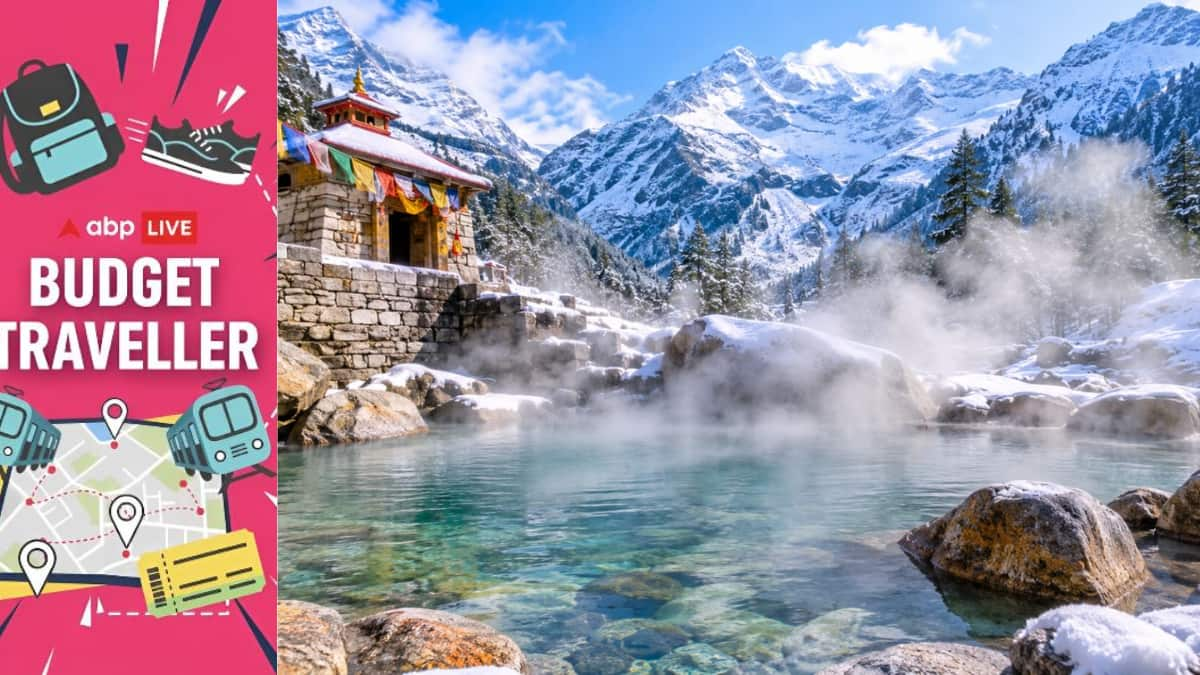
Winter brings the perfect opportunity to explore India's natural hot springs, particularly those tucked away in the Himalayan mountains. Imagine soaking in warm, mineral-rich water while surrounded by snow-covered peaks, misty valleys, and quiet forests. From the sacred springs of Himachal Pradesh to the geothermal landscapes of Ladakh and the scenic corners of Sikkim, these destinations offer experiences beyond a regular holiday. Some are associated with religious traditions, while others attract travellers looking for a relaxing break after long treks. If you are planning a winter trip, here are 10 natural hot springs in India worth adding to your travel list.
10 Best Hot Spring Destinations In India
1. Manikaran, Himachal Pradesh
Located in the Parvati Valley of Himachal Pradesh's Kullu district, Manikaran is an important religious destination known for its natural hot springs. The springs are situated within the gurudwara complex, close to the Parvati River. The naturally heated water is traditionally used to prepare food for devotees, including the langar. Visitors come here for both its spiritual significance and the experience of seeing geothermal water emerge amid the mountains.
Estimated budget: Rs 1,000 – Rs 2,500 per person
Accommodation: Rs 500 – Rs 1,200 per night in budget guesthouses.
Food: Rs 200 – Rs 500 per day.
Local transport: Rs 200 – Rs 500.
Hot spring visit: Generally free at the religious complex.
Staying in nearby Kasol may increase the accommodation and food budget. The Invincible India
ALSO READ | Budget Traveller | Explore These 5 Famous Ghats For Sandhya And Usha Arghya On Chhath
2. Kheer Ganga, Himachal Pradesh
Kheer Ganga is a popular trekking destination in the Parvati Valley, known for its forest trails and mountain views. The natural hot spring near the summit is one of its biggest attractions. After completing the uphill trek, visitors can enjoy the warm water while taking in the surrounding Himalayan landscape. The destination is particularly popular among trekkers and backpackers.
Estimated budget: Rs 1,750–Rs 3,850 per person
Accommodation near Barshaini or Kalga: Rs 500–Rs 1,500.
Food and refreshments: Rs 400–Rs 800.
Shared transport from Kasol to Barshaini: Rs 200–Rs 400.
Trek registration and miscellaneous expenses: Rs 150–Rs 300.
ALSO READ | Budget Traveller | This Winter, Explore Shimla, Manali And 3 More Destinations In 8 Days Under Rs 52,000
3. Tattapani, Himachal Pradesh
Situated near Shimla along the Sutlej River, Tattapani is known for its geothermal springs. The water contains naturally occurring minerals, and the springs have traditionally been associated with relief from joint discomfort and muscle fatigue. The riverside location and surrounding hills make it an interesting stop for travellers exploring the Shimla region.
Estimated budget: Rs 2,000–Rs 4,500 per person
Accommodation: Rs 1,000–Rs 2,500 per night.
Food: Rs 400–Rs 800 per day.
Local transport: Rs 500–Rs 1,000.
Additional activities: Rs 100–Rs 300.
4. Panamik, Ladakh
Panamik, a village in Nubra Valley, is famous for its natural sulphur-rich hot springs. Located in the high-altitude landscape of Ladakh, these springs attract visitors interested in geothermal formations and traditional wellness practices. The surrounding mountains and remote setting add to the experience. Travellers should check local access conditions before planning a visit, particularly during winter.
Estimated budget: Rs1,500–Rs3,500 per person
Accommodation: Rs500–Rs1,000 per night.
Food: Rs200–Rs400 per day.
Public transport: Rs500–Rs700 for the Leh–Panamik journey and local connections.
Miscellaneous expenses: Rs300–Rs500
5. Chumathang, Ladakh
Chumathang is a quiet settlement along the Indus River, known for its geothermal activity. Its natural hot springs release warm water throughout the year, creating an unusual contrast with Ladakh's cold surroundings. The area is an interesting stop for those exploring the region's lesser-known attractions and geological features.
Estimated budget: Rs3,500–Rs6,000 per person
Accommodation: Rs800–Rs1,500 per night.
Food: Rs300–Rs500 per day.
Shared transport: Rs1,500–Rs3,000, depending on the route and group size.
Permits and miscellaneous expenses: Rs400–Rs700.
6. Puga, Ladakh
Located in the Changthang region of Ladakh, Puga Valley is known for its geothermal landscape. Visitors can spot steaming ground, bubbling springs, and other signs of underground heat. The area is particularly interesting for nature enthusiasts and travellers looking to explore destinations beyond Ladakh's popular monasteries and lakes.
Estimated budget: Rs1,000–Rs2,500 per person
Accommodation: Rs500–Rs1,500 per night.
Food: Rs300–Rs500 per day.
Local transport: Rs200–Rs500.
Miscellaneous expenses: Rs100–Rs300.
7. Gaurikund, Uttarakhand
Gaurikund is an important pilgrimage destination in Uttarakhand and serves as the starting point of the traditional trek to Kedarnath. The place is associated with a natural hot spring and holds religious significance among devotees. Pilgrims traditionally visit the sacred site before beginning their journey towards the Kedarnath temple.
Estimated budget: Rs1,000–Rs2,500 per person
Accommodation: Rs500–Rs1,500 per night.
Food: Rs300–Rs500 per day.
Local transport: Rs200–Rs500.
Miscellaneous expenses: Rs100–Rs300.
8. Tapovan, Uttarakhand
Situated near Joshimath, Tapovan is known for its geothermal hot water springs and views of the surrounding Himalayan peaks. The water is naturally heated to high temperatures, and local accounts describe how it can be used to cook rice. The destination offers an interesting combination of natural geothermal activity and mountain scenery.
Estimated budget: Rs2,000–Rs4,500 per person
Accommodation: Rs1,000–Rs2,000 per night.
Food: Rs300–Rs800 per day.
Local transport: Rs500–Rs1,000.
Additional expenses: Rs200–Rs700.
9. Yumthang, Sikkim
Located near Lachung in North Sikkim, Yumthang Valley is known for its alpine landscape, rhododendron forests, and natural hot springs. The sulphur-rich water attracts visitors looking for a relaxing break amid the mountains. The valley is also popular for its seasonal flowers and scenic surroundings, making it a notable destination for nature lovers.
stimated budget: Rs6,500–Rs9,000 per person
Two-night shared tour package: Rs6,500–Rs9,000.
Package generally includes accommodation, meals, shared transport, and permits.
10. Yumesamdong, Sikkim
Yumesamdong, popularly known as Zero Point, lies beyond Yumthang in North Sikkim. Surrounded by snow-covered mountains and high-altitude terrain, the region offers a striking landscape for travellers. Natural hot springs in the wider area add to its appeal. Since the destination is located at a high altitude, visitors should check weather conditions and travel permissions before making plans.
Estimated budget: Rs7,000–Rs10,000 per person
Two-night North Sikkim package: Rs6,500–Rs9,000.
Zero Point vehicle add-on: Approximately Rs2,000–Rs3,500 per vehicle, shared among passengers.
Additional expenses: Rs300–Rs500.
Things To Know Before Visiting Hot Springs In Winter
While natural hot springs can make a winter holiday more enjoyable, a little preparation is important before visiting them.
-
Check accessibility: High-altitude destinations such as Panamik, Puga and Yumesamdong may have seasonal road restrictions.
-
Follow local guidelines: Some springs are located near religious sites and have specific bathing rules.
-
Be careful with water temperature: Geothermal water can be extremely hot. Avoid entering pools without checking their temperature.
-
Allow time for acclimatisation: Ladakh and parts of Sikkim are located at high altitudes. Give your body time to adjust.
-
Check permits: Certain areas in Ladakh and North Sikkim require travel permits or have restricted access.
From Manikaran's religious hot springs to the geothermal landscapes of Ladakh and Sikkim, India offers several destinations where travellers can experience naturally heated water amid the mountains. These places combine scenic surroundings, local traditions, and opportunities to unwind, making them interesting additions to a winter travel itinerary. However, check seasonal accessibility and local travel advisories before setting out.
Disclaimer - The above estimates are indicative and may change depending on accommodation availability, travel season, group size, and local transport arrangements. They primarily cover expenses at or around the destinations and do not consistently include long-distance travel from major cities such as Delhi, Mumbai or Bengaluru.
This content is published by ABP Live - Lifestyle and has not been created or edited by Hello Headlines. View original