Chhath Puja 2026: Sandhya Arghya Today; Check Vidhi, Timings, Samagri List And Kosi Bharne Ritual
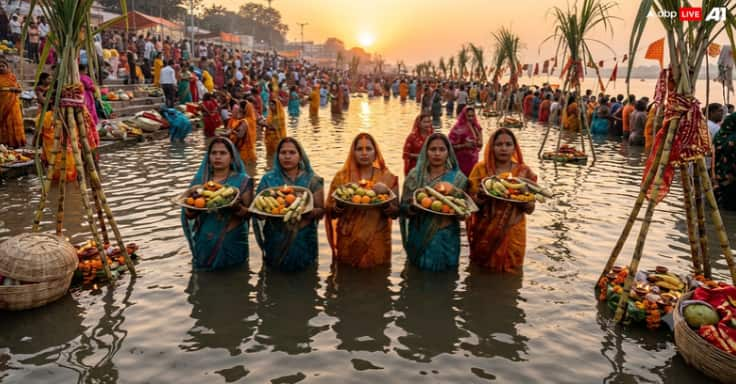
Chhath Puja 2026 is being celebrated with devotion and traditional rituals across the country. The four-day festival dedicated to Lord Surya and Chhathi Maiya holds special significance, with devotees observing a strict 36-hour fast and offering prayers to the Sun God. The third day of the festival, November 15, will be marked by Sandhya Arghya, when devotees offer prayers to the setting Sun.
On this day, devotees gather at riverbanks, ponds and other water bodies to offer Arghya during sunset. The ritual is accompanied by traditional Chhath songs, decorated ghats and the lighting of earthen lamps. Devotees prepare special offerings, including thekua, seasonal fruits and other traditional prasad, as part of the celebrations.
Chhath Puja 2026 Sandhya Arghya And Usha Arghya Timings
Sandhya Arghya will be performed on Sunday, November 15, 2026, at sunset. Across most parts of the country, sunset is expected between 5:15 PM and 5:45 PM. Devotees observe the ritual by standing in water and offering Arghya to the setting Sun.
The festival will conclude on Monday, November 16, with Usha Arghya. Devotees will offer prayers to the rising Sun between approximately 6:30 AM and 6:55 AM, after which they will break their 36-hour fast.
ALSO READ | 7 Easy Tips To Keep Your Skin Soft And Hydrated During Changing Weather
Chhath Puja 2026 Sandhya Arghya Vidhi
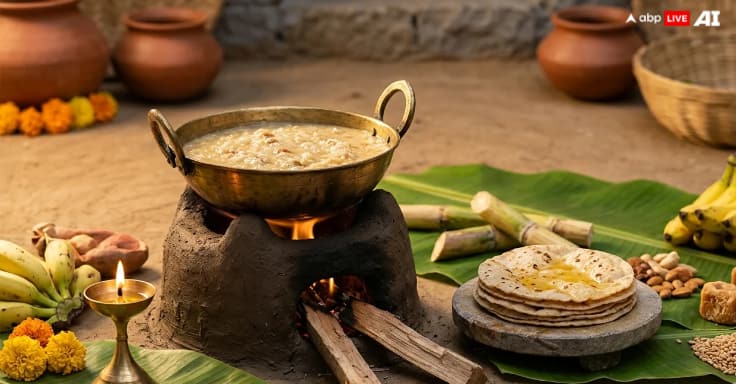
Preparations for Sandhya Arghya usually begin in the afternoon. Devotees arrange traditional offerings in bamboo baskets and soops (bamboo trays). Homemade thekua, kasar (rice flour laddoos), seasonal fruits and other puja essentials are carefully placed in the baskets and covered with new yellow or red cotton cloth.
Before sunset, family members carry the baskets to the Chhath ghat. Traditionally, male family members carry the daura (large bamboo basket) on their heads, while women accompany them singing traditional Chhath songs.
At the ghat, a small altar is prepared using soil, and a kalash is placed at the designated spot. Sugarcane stalks are also used to decorate the area. During sunset, devotees stand in water, often up to their waists, holding a bamboo soop filled with prasad.
Family members then offer water and raw cow's milk over the offerings using a copper or brass vessel. Devotees pray to Lord Surya and Chhathi Maiya for the well-being, prosperity and happiness of their families.
Chhath Puja 2026 Samagri List For Sandhya Arghya
Several traditional items are required to perform Sandhya Arghya. These include:
-
Bamboo soop, daura and dagra
-
Coconut with water and a bunch of bananas
-
Five or seven sugarcane stalks with leaves
-
Dabh lemon, apples, oranges, custard apples and pears
-
Water chestnuts, sweet potatoes and suthni
-
Raw turmeric and ginger
-
Copper vessel, Gangajal and raw cow's milk
-
12 or 24 earthen diyas
-
Ghee or mustard oil
-
Yellow sindoor, roli, akshat and sandalwood
-
Betel leaves, betel nuts and kalava
-
Marigold flowers
-
Homemade thekua and kasar
These offerings are traditionally arranged in bamboo baskets and presented during the evening prayers.
ALSO READ | Chhath Special: Is Thekua Healthy? Know Its Calorie Count And How Much You Can Eat
Chhath Puja 2026: How To Perform Kosi Bharne Ki Vidhi?
Kosi Bharna is an important traditional ritual associated with Chhath Puja. It is generally performed at night after Sandhya Arghya, particularly by devotees fulfilling a vow or expressing gratitude after a wish has been fulfilled.
Prepare the sugarcane mandap: First, clean the courtyard, terrace or a designated place at the ghat. Make a traditional rangoli, known as Aripan, using rice flour. Place five or seven sugarcane stalks with their leaves around the area and tie their upper ends together to create a small mandap.
Prepare the offering pouch: Take approximately 1.25 metres of new yellow or red cotton cloth. Place seasonal fruits, thekua, ginger, raw turmeric and a few coins inside it. Tie the pouch and attach it to the upper portion of the sugarcane mandap.
Place the clay elephant: A traditional clay elephant with a kalash attached to its back is placed in the centre of the mandap. Apply yellow or orange sindoor to it. Fill the kalash with fruits, thekua, suthni, betel leaves, betel nuts and a coin.
Light the earthen lamps: Arrange 12 or 24 earthen diyas around the clay elephant and on top of the kalash. Light them using ghee or mustard oil as part of the ritual.
Offer prayers to Chhathi Maiya: Place soops and daura filled with prasad around the Kosi arrangement. Women in the family sing traditional Chhath songs and offer prayers to Chhathi Maiya, expressing gratitude and seeking blessings.
Complete the morning ritual: On November 16, devotees carry the Kosi arrangement to the Chhath ghat before Usha Arghya. The diyas are lit again, and prayers are offered near the river or pond as part of the concluding rituals.
Things To Keep In Mind During Chhath Puja
Cleanliness and purity are considered particularly important during Chhath Puja. Devotees should ensure that all puja items are handled with clean hands and that the offerings are kept in a hygienic place.
Families traditionally follow a sattvik diet during the festival. Onion, garlic, meat, alcohol and other tamasic food items are avoided until the fast is completed after Usha Arghya on November 16.
Those lighting diyas for the Kosi ritual should ensure that the lamps have sufficient oil or ghee. They should also be placed safely, away from children and flammable materials.
Since devotees observe a demanding 36-hour fast, family members should make proper arrangements for their comfort at the ghat and during the night-time rituals.
[Disclaimer: The information provided here is based solely on beliefs and information. It's important to note that ABPLive.com does not endorse any beliefs or information. Consult a relevant expert before acting on any information or information.]
This content is published by ABP Live - Lifestyle and has not been created or edited by Hello Headlines. View original