India's Healthcare Spending Triples To Rs 4.14 Lakh Crore In 10 Years, OOPE Drops To 42.7%
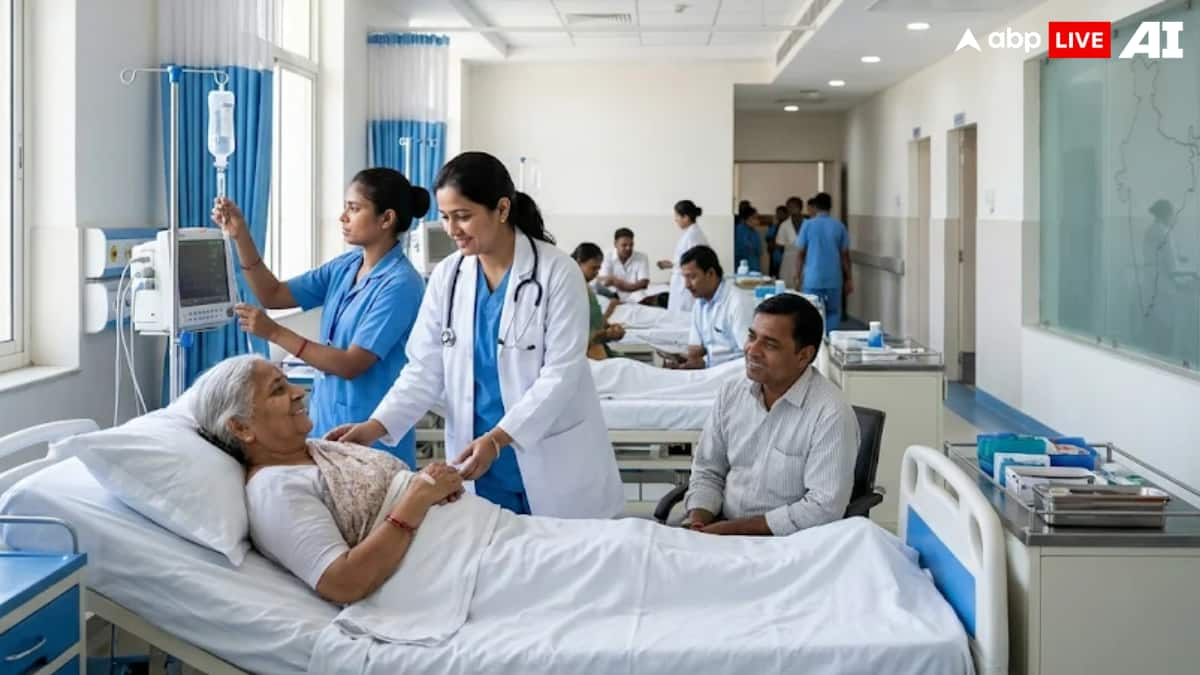
India has made significant progress in strengthening its public healthcare system, with government spending on health more than tripling over the past decade. At the same time, the financial burden on households has eased, as the proportion of healthcare expenses paid directly by families has witnessed a substantial decline, according to a factsheet released by the Ministry of Health and Family Welfare on Sunday.
Between 2013-14 and 2023-24, government expenditure on healthcare rose from approximately Rs 1.30 lakh crore to Rs 4.14 lakh crore. During the same period, out-of-pocket expenditure (OOPE) as a share of total health spending fell from 64.2 per cent to 42.7 per cent.
ALSO READ: Children Who Struggle With Maths May Have Different Brain Activity: Stanford Study
Government Healthcare Spending Rises Significantly Over A Decade
The ministry's factsheet highlighted the simultaneous rise in public healthcare investment and decline in direct household spending as an indication of India's progress towards a more accessible and affordable healthcare system.
It also showed the government's continued efforts under Prime Minister Narendra Modi to strengthen public healthcare facilities, expand comprehensive primary healthcare and improve financial protection for citizens. Other priorities include increasing access to essential medicines and diagnostic services while bringing quality healthcare closer to communities.
The shift marks a significant change in the country's healthcare financing structure, with a smaller proportion of overall medical expenses now being met directly by households.
ALSO READ: India Sees 38% Decline In TB Deaths Since 2015, Outperforms Global Progress: WHO Report
Out-Of-Pocket Healthcare Spending Declines As Public Investment Grows
The steady reduction in out-of-pocket expenditure reflects the expanding role of government-supported healthcare services and financial protection initiatives.
Measures aimed at making treatment, medicines, diagnostic facilities and hospital services more affordable are helping reduce families' dependence on direct payments for healthcare.
The ministry's figures also point to the growing contribution of public resources towards meeting the country's healthcare requirements. The increase in government spending, alongside the decline in the household expenditure share, highlights the role of sustained public investment in improving healthcare affordability.
Government health expenditure per capita has also recorded considerable growth. It increased from Rs 1,042 in 2013-14 to Rs 2,959 in 2023-24, marking an approximately 2.8-fold rise over the decade.
(With inputs from IANS)
This content is published by ABP Live - Health and has not been created or edited by Hello Headlines. View original