Pet First | 5 Ways To Protect Your Pet’s Paws From Winter Cold And Dryness
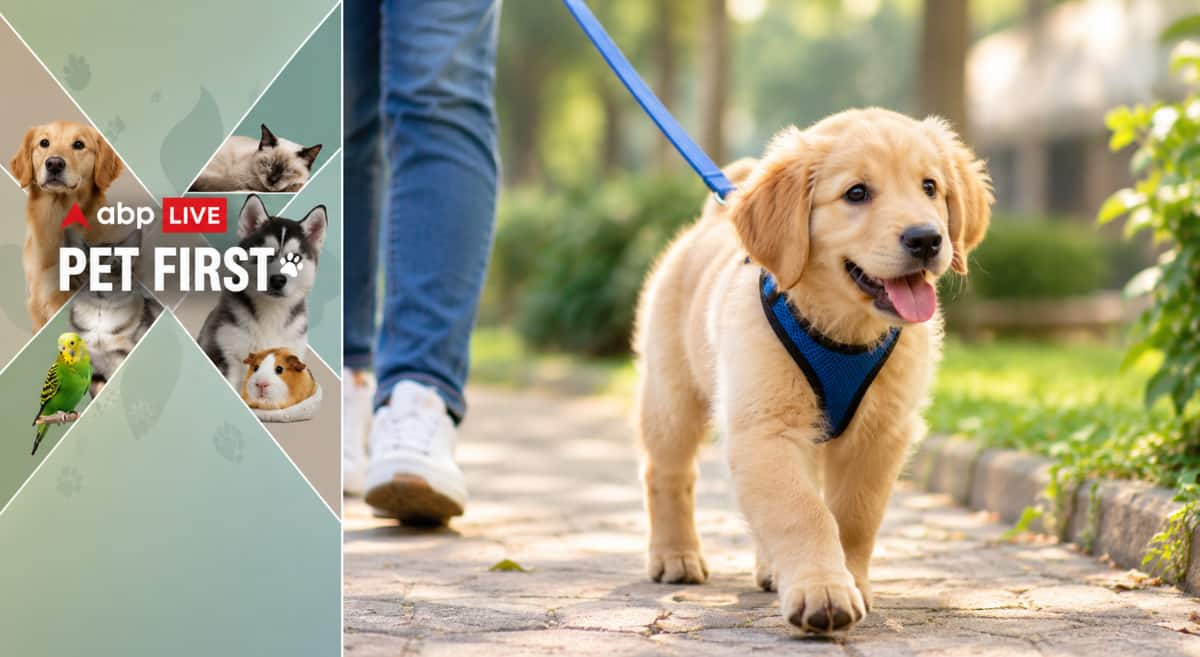
Winter can be harsh on pets, especially when it comes to their paws. Just like human skin, a dog's or cat's paw pads can become dry, rough and cracked during colder months. Cold surfaces, dry air, road salt and prolonged exposure to chilly weather can cause discomfort and irritation.
For pet parents, taking a little extra care of their furry companions' paws during winter can help prevent these problems. Simple changes in their daily routine, along with regular paw care, can keep their paws healthy and comfortable throughout the season.
1. Moisturise Their Paw Pads
Cold weather and dry air can make your pet's paw pads rough and cracked. Applying a pet-safe paw balm can help keep the pads moisturised and prevent excessive dryness. Avoid using human moisturisers without veterinary advice, as some ingredients may not be safe for pets if licked.
ALSO READ | Eating Healthy At Home? Why You May Still Be At Risk Of Type 2 Diabetes
2. Clean Their Paws After Every Walk
Pets may come into contact with dirt, chemicals, road salt and other irritants while walking outdoors. These substances can collect between their paw pads and cause irritation. Clean their paws gently with a damp cloth after every walk and dry them properly, especially between the toes.
3. Avoid Extremely Cold Surfaces
Walking on icy pavements, frozen ground or extremely cold surfaces for long periods can make pets uncomfortable. Try to take them for walks during relatively warmer hours of the day. Keep outdoor activities shorter during particularly cold weather and watch for signs of discomfort.
ALSO READ | 5 Easy Ways To Store Ginger In The Fridge And Keep It Fresh For Longer
4. Consider Protective Booties
Pet booties can provide an additional layer of protection against cold surfaces, ice and road salt. However, make sure they fit comfortably and do not restrict movement. Allow your pet to get used to wearing them gradually, and remove them if they cause discomfort.
5. Check Their Paws Regularly
Make paw inspections a part of your winter grooming routine. Look for cracks, redness, swelling, cuts or anything stuck between the toes. If your pet repeatedly licks or chews its paws, limps or shows signs of pain, consult a veterinarian instead of trying to treat the problem at home.
Why Winter Paw Care Is Important
Paw pads help pets walk comfortably and protect their feet from different surfaces. However, winter conditions can make them more vulnerable to dryness, irritation and injuries. Regular cleaning, gentle moisturising and protection from extreme cold can help keep your pet comfortable.
Pet parents should also remember that persistent redness, bleeding, swelling or limping should not be ignored. Timely veterinary attention can help prevent minor paw problems from becoming more serious.
[Disclaimer: The information provided in this article is intended for general informational purposes only. It is not a substitute for professional veterinary advice, diagnosis, or treatment. Always consult a qualified veterinarian regarding your pet’s health, diet, or any medical concerns.]
This content is published by ABP Live - Lifestyle and has not been created or edited by Hello Headlines. View original