Lula's Comeback, Student Power In Serbia: What Israel's Election Could Mean For Netanyahu
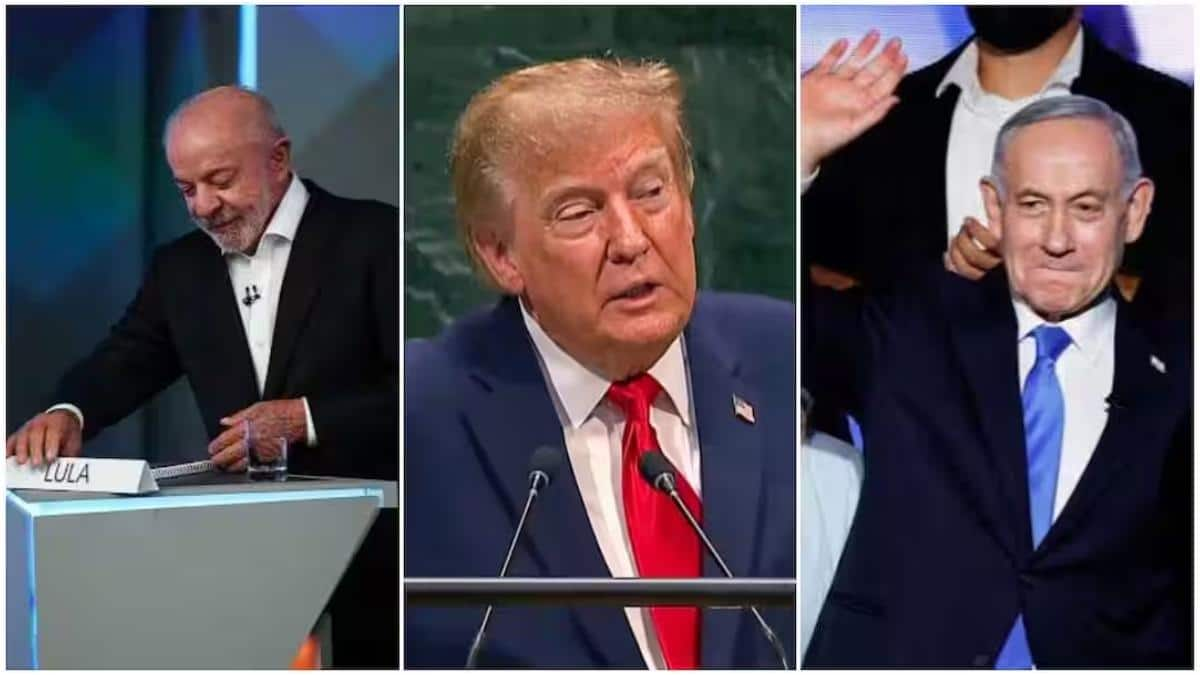
A series of major electoral developments has unfolded across global politics. In Brazil, Flavio Bolsonaro, son of former president Jair Bolsonaro and a right-wing leader seen as supportive of US President Donald Trump's policies, has lost the presidential election. In Serbia, a student-backed electoral list associated with the anti-corruption movement has moved ahead of President Aleksandar Vučić's alliance.
Meanwhile, Brazilian left-wing leader Luiz Inácio Lula da Silva has returned to power after winning the presidential election for a fourth, non-consecutive term. Attention is now turning to Israel, where general elections are scheduled for October 27. Prime Minister Benjamin Netanyahu faces the challenge of retaining power.
The results in Brazil and Serbia show that closeness to a prominent international leader or ideological alignment does not guarantee electoral success. Local issues, including corruption, government performance and public dissatisfaction, can also influence voting outcomes. Following Lula's victory in Brazil and the success of the student movement in Serbia, Israel's election has also become a major focus.
Lula Returns To Power In Brazil, Flavio Bolsonaro Loses
Luiz Inácio Lula da Silva of the Workers' Party has won Brazil's presidential election, defeating Liberal Party candidate Flavio Bolsonaro in a closely contested second round. The 80-year-old Lula defeated Flavio, the son of former president Jair Bolsonaro and a prominent figure in right-wing politics.
According to the final figures released by Brazil's electoral authority, Lula secured 51.79% of the vote, or around 64.3 million votes. Flavio received 48.21%, amounting to approximately 59.8 million votes.
The victory has paved the way for Lula to begin his fourth non-consecutive term as president.
Serbian Students Score Major Victory, Deal Blow To Vučić's Alliance
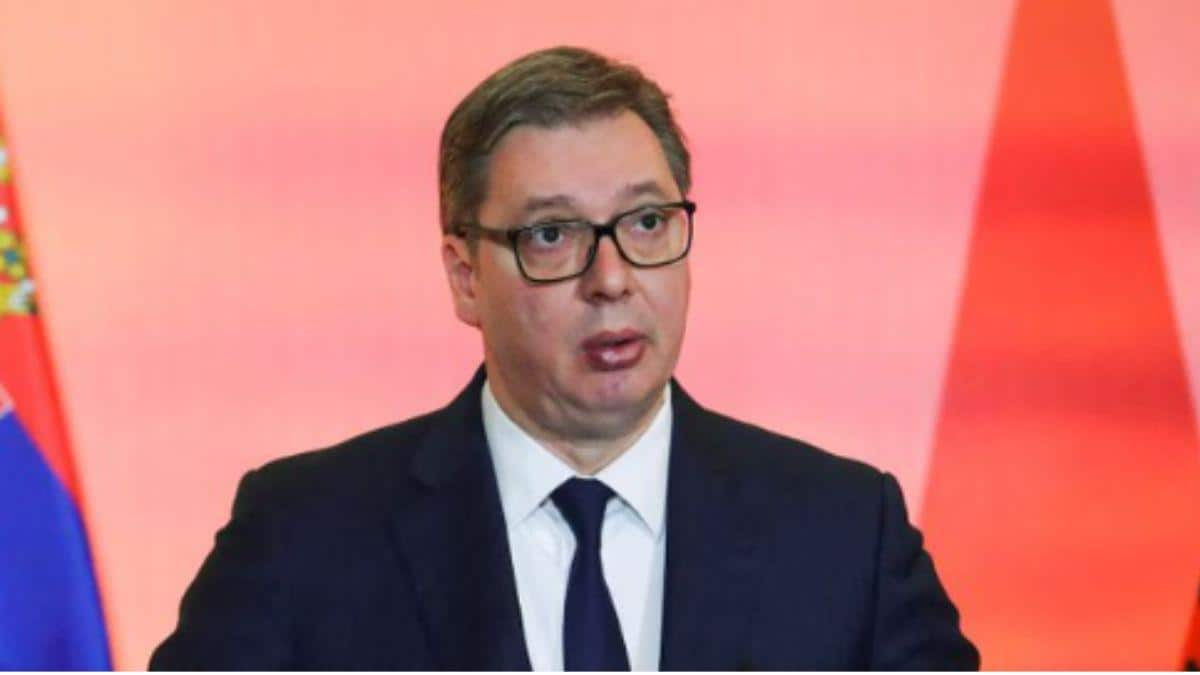
In Serbia, the student-backed electoral list 'Student List – Students Win', associated with the anti-corruption student movement, registered a major victory in the snap parliamentary election held on October 25. The result has dealt a significant blow to the political dominance of President Aleksandar Vučić's Serbian Progressive Party (SNS), which has held sway for nearly 14 years.
A majority in Serbia's 250-member parliament requires 126 seats.
According to preliminary estimates, the student-backed list could win between 135 and 140 seats, while Vučić's alliance is projected to secure around 105. Early election figures put the student list's vote share at approximately 52%, compared with around 40% for Vučić's alliance. These are preliminary estimates, and the figures could change once the final results are declared.
Vučić conceded defeat before the final results were announced, saying the initial figures made it clear that his list had lost. According to him, the student-backed list received around 2.2 million votes, while his alliance secured approximately 1.72 million.
Netanyahu Faces Crucial Test In Israel
Following the elections in Brazil and Serbia, global attention is turning to Israel, where general elections are scheduled for October 27, 2026. The vote will be the country's first general election since the Hamas attack on October 7, 2023.
Following the attack, Israel launched its war in Gaza, which later expanded into conflicts involving Lebanon and Iran.
Prime Minister Benjamin Netanyahu faces the challenge of retaining power. Several pre-election surveys have projected that his alliance could fall short of a parliamentary majority. However, Israel's political system includes multiple parties, and forming a government may require support from different political groups. Therefore, the surveys do not conclusively determine who will form the next government.
Why Is There Discontent With Netanyahu?
The Hamas attack on October 7, 2023, raised questions about Israel's security arrangements and Netanyahu's leadership. While military action against Hamas, Hezbollah and Iran has received support among sections of the Israeli public, election surveys have also indicated declining confidence in Netanyahu's leadership.
Some people have also expressed disagreement with his government's policies on the relationship between religion and the state. In addition, Netanyahu faces corruption cases.
However, he is among Israel's longest-serving prime ministers and has previously weathered several political crises. The final verdict on his electoral prospects will rest with voters.
Gadi Eisenkot Emerges As A Key Challenger
Former military chief Gadi Eisenkot is among Netanyahu's prominent rivals. Recent surveys have indicated strong support for his party.
Eisenkot's son was killed in Gaza. He is presenting himself as a leader with a firm stance on security issues and as an alternative to the established political order.
This content is published by ABP Live - World and has not been created or edited by Hello Headlines. View original