Kartik Maas 2026: Know The Start Date, Religious Significance And Rituals To Follow
Kartik Maas, considered one of the most auspicious months in the Hindu calendar, begins on October 27, 2026, according to the North Indian lunar calendar. The month is associated with devotion, charity and spiritual discipline, with devotees observing rituals such as Kartik Snan, Deepdaan, Tulsi Puja and prayers to Lord Vishnu.
Kartik Maas is traditionally regarded as an important period for religious observances and acts of kindness. Devotees light earthen lamps, visit temples, offer prayers and donate food, clothes and other essentials. Several important Hindu festivals also fall during this month, including Diwali, Chhath Puja, Devutthana Ekadashi and Kartik Purnima.
Why Is Kartik Maas Considered Auspicious?
According to Hindu beliefs, Kartik Maas is associated with spiritual purification, devotion and charity. Worshipping Lord Vishnu holds particular significance during this period, while prayers to Goddess Lakshmi, the Sun God and other deities are also part of various traditions. Devotees often wake up early, take a holy bath, light diyas and worship sacred plants such as Tulsi and the amla tree. Many also observe dietary restrictions, practise meditation and follow a disciplined daily routine.
7 Important Rules To Follow During Kartik Maas
1. Deepdaan: The Significance Of Lighting Earthen Lamps
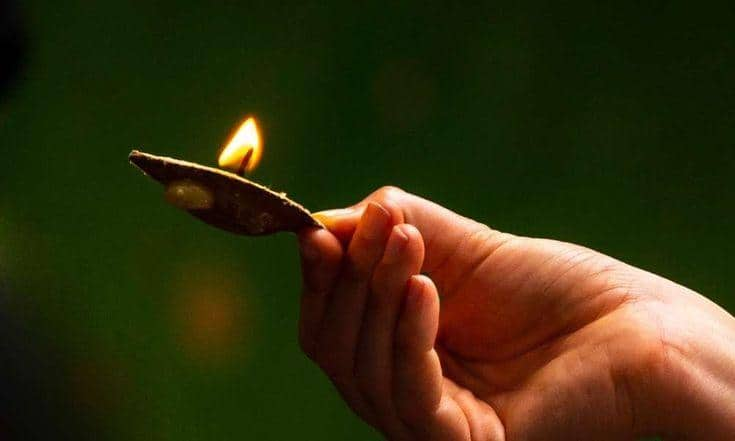
Deepdaan, the ritual of offering lit earthen lamps, is one of the important observances of Kartik Maas. Devotees light diyas in temples, near Tulsi plants and beside rivers or other water bodies. Some traditions also include Akash Deep, in which a lamp is placed at an elevated position outside the home. Lighting lamps in the evening is considered auspicious and is associated with peace, prosperity and spiritual merit.
2. Follow Traditional Dietary Practices
Many devotees follow a sattvic diet during Kartik Maas and pay special attention to their eating habits. Seasonal fruits, vegetables and simple home-cooked meals may form part of their daily diet. Depending on family customs and regional traditions, some people avoid certain foods, including brinjal, bitter gourd, buttermilk or particular pulses. Other observances may include avoiding oil massages and maintaining a simple lifestyle. These practices vary, and dietary restrictions are not universal. People should ensure that their food choices meet their nutritional needs.
3. Practise Self-Discipline And Meditation
Kartik Maas is traditionally associated with self-control, prayer and spiritual reflection. Devotees may dedicate time to meditation, mantra chanting and reading religious texts. Common practices include avoiding unnecessary arguments, speaking kindly, refraining from gossip and maintaining a peaceful environment at home. Such observances are believed to encourage mindfulness, discipline and inner peace.
4. Take A Holy Bath And Offer Arghya To The Sun
Kartik Snan, or taking a holy bath during the early morning hours, is an important religious tradition during this month. Many devotees visit sacred rivers and pilgrimage sites to observe the ritual. Those who cannot visit a river may follow their usual bathing routine at home and offer prayers according to their family traditions. Devotees also offer Arghya, or water, to the Sun God, often using a copper vessel.
ALSO READ | Sharad Purnima 2026 Today: Know The Auspicious Timings, Lakshmi Puja Vidhi And Significance
5. Worship Lord Vishnu And Offer Prayers To Tulsi
Lord Vishnu is central to Kartik Maas worship. Devotees may offer prayers to Shaligram, a sacred representation associated with Lord Vishnu, and perform Tulsi Puja as part of their daily rituals. Tulsi is considered sacred in Hindu households. Devotees may offer water to the plant, light a diya nearby and recite prayers. Worshipping the amla tree is also associated with certain observances during this month. These practices are traditionally believed to bring peace and well-being to the household.
6. Donate Clothes, Food And Essential Items
Charity is an important part of Kartik Maas. Donating food grains, blankets, warm clothes and money to people in need is considered a virtuous act, particularly as the weather becomes cooler. Some traditions also encourage donating fruits, Tulsi plants and amla plants. Supporting gaushalas and contributing to the care of cattle are other charitable practices observed by devotees.
7. Understand The Religious Significance Of Lord Kartikeya
Lord Kartikeya, the son of Lord Shiva and Goddess Parvati, is revered in Hindu mythology as the commander of the celestial army. According to popular traditions, he defeated the demon Tarakasura and restored righteousness. His association with the Krittikas, who are said to have cared for him, is linked to his name. Although Kartik Maas is especially significant for the worship of Lord Vishnu, its religious traditions encompass several deities and regional customs.
ALSO READ | Karwa Chauth 2026: 5 Thoughtful Gift IdeasTo Surprise Your Partner
Kartik Maas 2026: Important Festivals And Dates
Kartik Maas includes several major Hindu festivals and religious observances. The following dates are based on the festival calendar for 2026 and should be checked against the local Panchang for regional variations.
-
November 1: Ahoi Ashtami
-
November 5: Rama Ekadashi
-
November 6: Dhanteras
-
November 7: Naraka Chaturdashi (Roop Chaudas)
-
November 8: Diwali and Lakshmi Puja
-
November 10: Govardhan Puja and Annakut
-
November 11: Bhai Dooj
-
November 13–16: Chhath Puja period
-
November 17: Gopashtami
-
November 18: Akshaya Navami (Amla Navami)
-
November 20: Devutthana Ekadashi
-
November 21: Tulsi Vivah
-
November 23: Vaikuntha Chaturdashi
-
November 24: Kartik Purnima
Kartik Purnima marks an important conclusion to the month for many devotees. It is associated with holy bathing, prayers, charity and lighting lamps. The observance is also linked to Dev Deepawali in Varanasi, although its celebration and exact timing follow local religious traditions.
[Disclaimer: The information provided here is based solely on beliefs and information. It's important to note that ABPLive.com does not endorse any beliefs or information. Consult a relevant expert before acting on any information or information.]
This content is published by ABP Live - Lifestyle and has not been created or edited by Hello Headlines. View original