
Wednesday, 18 November 2026LatestVideosAboutContact
Latest
Optimized supercomputer workflow accelerates protein-structure predictionNvidia says it will not reinstate Jensen Huang as CEOअर्जेंटीना बनाम कोस्टा रिका लाइव स्कोर: स्कैलोनी और अर्जेंटीना मेस्सी के बिना खेलेंगे; मैच भारतीय समयानुसार सुबह 4:30 बजे शुरू होगा।Argentina vs Costa Rica LIVE score: Scaloni and ARG enter life without Messi; match to begin at 4:30AM ISTRepurposed battery molecules drive key chemical reactions where oil meets waterTwo proteins key to cellulose synthase trafficking and cell wall formation identifiedNASA's Voyager 1 launched second, so how did it beat Voyager 2 to a light-day by nearly a decade?Mumbai: Malabar Hill Residents Oppose 24,000-Sq-Ft Floating Wedding Deck In Arabian SeaNew platform improves accuracy of molecular counting in RNA-sequencingThe MacBook Neo is receiving a rare $50 discount ahead of Black FridayMumbai: BMC Demolishes 27 Shops In Kandivali West, Clears 15-Year Road-Widening DeadlockTotal Chess 2026 — Anish Giri, Alireza Firouzja among early winners in title semifinals
ScienceUpdated 20 min ago

NASA's Voyager 1 launched second, so how did it beat Voyager 2 to a light-day by nearly a decade?
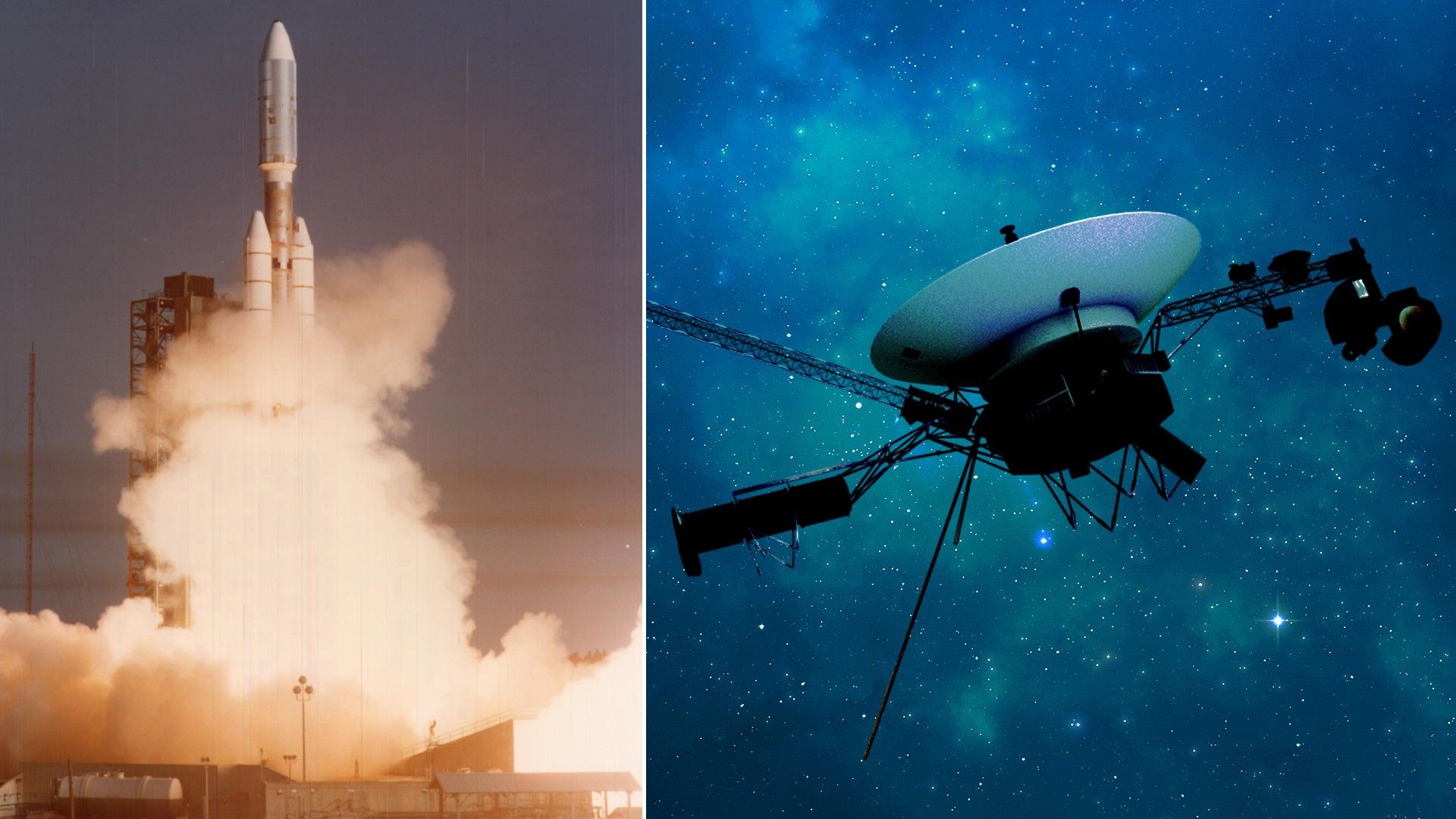
Image: Space.com

Voyager 1 just reached a light-day in space, but Voyager 2 won't do the same until 2035, due to speed choices made throughout their 50-year missions.

Continue reading on Space.com

Hello Headlines links you to the original publisher for the full story.

Read full story

More in Science

See all