Pet First | 6 Early Warning Signs Your Cat Could Be Suffering From An Ear Infection
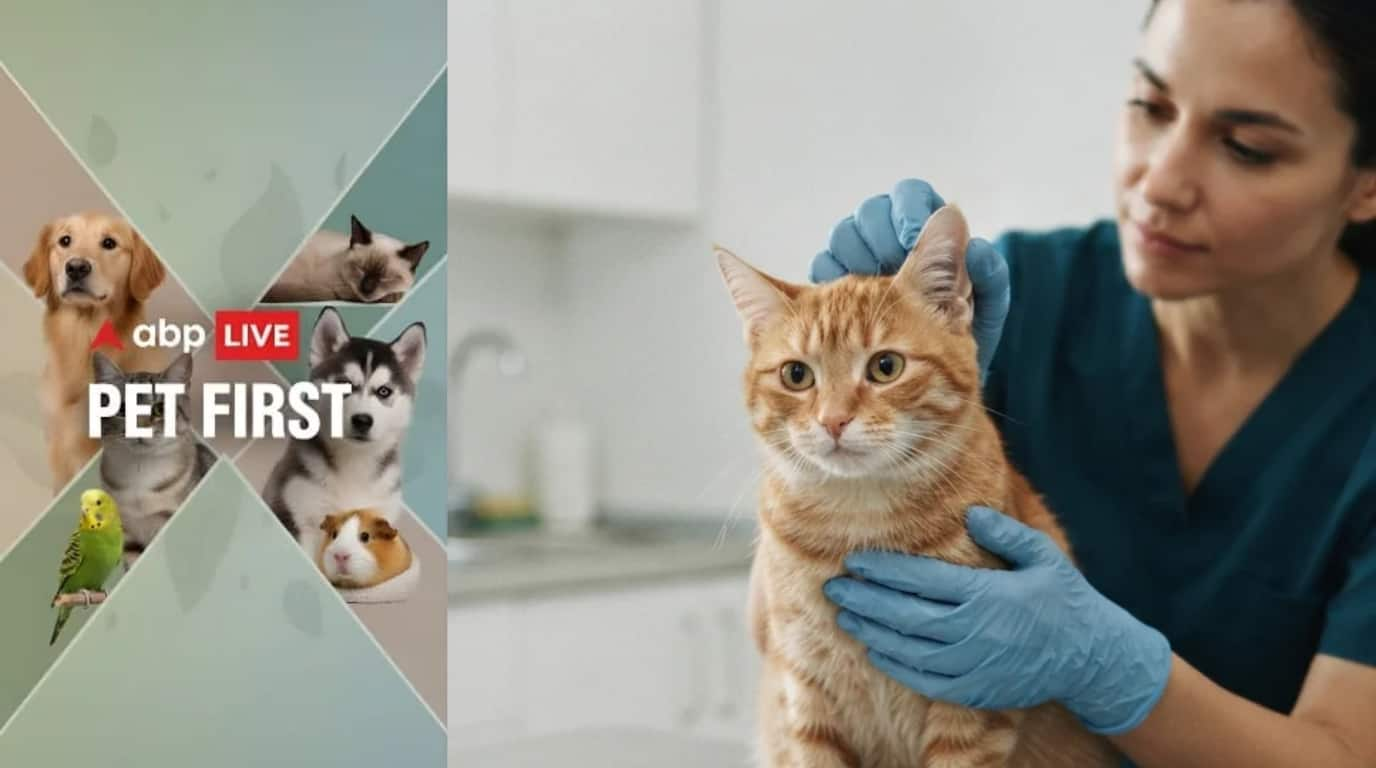
Cats are known for keeping themselves clean, but even the most well-groomed feline can develop health problems that need attention. One such condition is an ear infection, which can cause itching, discomfort and pain. While ear infections are not particularly common in cats, they can affect kittens, outdoor cats and even older indoor pets.
For pet parents, recognising the early warning signs is important. Frequent ear scratching, repeated head shaking, redness and unusual discharge could indicate an infection that requires veterinary attention. Ignoring these symptoms can allow the condition to worsen and potentially affect a cat's hearing.
What Causes Ear Infections In Cats?
Ear infections in cats are commonly associated with ear mites and allergies. These conditions can irritate the sensitive skin inside the ear canal, creating an environment where infections may develop.
Ear mites are microscopic parasites that live inside the ear canal and cause intense itching. They are particularly common among outdoor cats and kittens. These parasites are highly contagious between animals, making it important to get affected cats checked by a veterinarian.
Allergies are another possible trigger. Cats may develop reactions to food ingredients or environmental allergens such as dust mites and seasonal irritants. Food allergies can sometimes be linked to protein sources, including chicken, beef and turkey.
In some cases, inflammation and repeated scratching caused by these underlying problems can lead to a secondary bacterial or yeast infection.
ALSO READ | Pet First | 5 Ways To Protect Your Pet’s Paws From Winter Cold And Dryness
Common Signs And Symptoms Of Ear Infections In Cats
One of the earliest signs of an ear infection is excessive scratching. A cat may repeatedly scratch its ears or shake its head in an attempt to relieve the irritation.
Pet parents should also watch for the following symptoms:
-
Frequent head shaking: Cats may repeatedly shake their heads because of itching or discomfort.
-
Excessive ear scratching: Persistent scratching can indicate irritation inside the ear canal.
-
Redness and inflammation: The skin inside the ears may appear red or swollen.
-
Unusual discharge: Black, brown, yellow or green discharge may be visible inside the ears.
-
Unpleasant smell: A foul odour coming from the ears can indicate an infection.
-
Unusual ear positioning: Some cats may hold their ears differently because of pain or discomfort.
If these symptoms appear, pet parents should arrange a veterinary examination rather than attempting to diagnose the problem themselves.
ALSO READ | Pet First | 7 Signs Your Dog Or Cat Is Affected By Post-Diwali Pollution
How Are Ear Infections In Cats Treated?
Ear infections require veterinary treatment and generally do not resolve without proper medical care. If left untreated, an infection can spread towards the inner ear and potentially cause complications such as scarring, narrowing of the ear canal and, in severe cases, hearing loss.
A veterinarian may collect a swab from the affected ear and examine it under a microscope to identify whether mites, bacteria or yeast are responsible for the infection.
Depending on the diagnosis, treatment may involve topical ear medication. Oral medicines may also be prescribed in more severe cases.
Cats may begin feeling better within a few days of starting treatment. However, pet parents must complete the entire course of medication prescribed by the veterinarian, even if the symptoms appear to have disappeared.
Can Ear Infections In Cats Be Prevented At Home?
Although home remedies cannot cure an existing ear infection, regular ear care can help reduce the chances of certain ear problems developing.
Pet parents can introduce gentle ear cleaning as part of their cat's grooming routine, provided the veterinarian recommends it. Making the experience positive with gentle handling and treats can help cats become more comfortable with the process.
A vet-approved ear cleaner can be applied to a cotton ball to gently wipe the visible inner portion of the ear. Liquids should never be poured directly into the ear canal unless specifically instructed by a veterinarian.
Regularly checking the ears for redness, discharge, unusual smells or excessive wax can also help pet parents identify potential problems early.
Cats that experience repeated ear infections may need further veterinary evaluation to identify underlying allergies or other causes.
When Should You Take Your Cat To The Vet?
Persistent scratching, repeated head shaking, foul-smelling ears, redness and unusual discharge should never be ignored. These symptoms may indicate an infection or another underlying ear condition.
Pet parents should avoid experimenting with home treatments or using human ear medications without veterinary advice. Early diagnosis and appropriate treatment can help prevent complications and keep cats comfortable and healthy.
[Disclaimer: The information provided in this article is intended for general informational purposes only. It is not a substitute for professional veterinary advice, diagnosis, or treatment. Always consult a qualified veterinarian regarding your pet’s health, diet, or any medical concerns.]
This content is published by ABP Live - Lifestyle and has not been created or edited by Hello Headlines. View original