Pet First | Feeding Your Dog Roti Every Day? Know The Hidden Risks
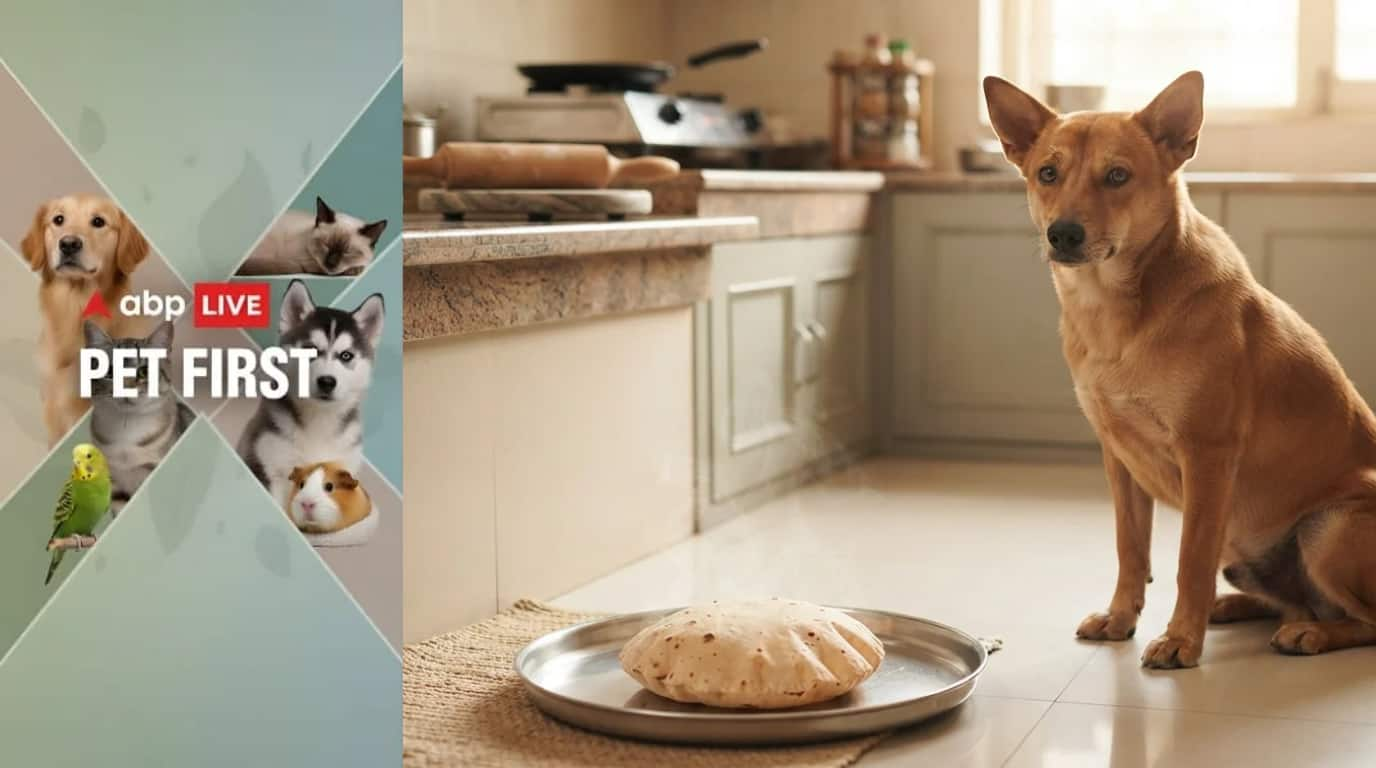
Dogs have different dietary requirements from humans, and their meals should primarily consist of balanced, nutritionally complete dog food. If you are considering adding roti to your dog's diet, there are a few important things to keep in mind.
1. Can Dogs Eat Plain Roti?
Yes, most dogs can eat small quantities of plain, properly cooked wheat roti, provided they are not allergic or sensitive to wheat. However, it should be given occasionally rather than treated as a regular part of their diet.
Roti should be prepared without salt, oil, ghee, butter or spices. Avoid giving dogs rotis containing ingredients such as onion and garlic, as these can be harmful to them.
2. Does Roti Offer Any Nutritional Benefits To Dogs?
Wheat roti contains carbohydrates and provides some energy. However, it does not offer all the essential nutrients dogs need to stay healthy.
Dogs require a balanced combination of protein, fats, vitamins and minerals. Roti cannot replace these nutritional requirements and should never become a substitute for their regular meals.
ALSO READ | Pet First | 5 Indoor Activities To Help Your Overweight Pet Lose Weight This Summer
3. What Are The Risks Of Feeding Roti Every Day?
Feeding roti to dogs daily may lead to nutritional imbalances, particularly if it replaces a portion of their regular, balanced food. Since roti is primarily a source of carbohydrates, excessive consumption can also contribute to unnecessary calorie intake and weight gain.
Some dogs may also have wheat sensitivities or allergies. In such cases, eating roti can trigger symptoms such as itching, skin irritation, digestive discomfort, vomiting or diarrhoea. Pet parents should watch for any unusual reactions after introducing wheat-based foods.
4. How Much Roti Can You Give Your Dog?
If your dog tolerates wheat, a small piece of plain roti can be offered occasionally as a treat. However, the appropriate quantity depends on the dog's size, age, activity level and overall diet.
Avoid making roti a daily meal or mixing it with spicy curries, gravies, pickles or other heavily seasoned foods. If your dog has existing health conditions, digestive issues or food allergies, consult a veterinarian before introducing new foods.
While plain roti is generally safe for most dogs in small quantities, it should not become a daily dietary staple. Dogs need a balanced diet that meets their specific nutritional requirements. Pet parents should prioritise good-quality dog food and consult a veterinarian before making significant changes to their pet's eating habits.
[Disclaimer: The information provided in this article is intended for general informational purposes only. It is not a substitute for professional veterinary advice, diagnosis, or treatment. Always consult a qualified veterinarian regarding your pet’s health, diet, or any medical concerns.]
This content is published by ABP Live - Lifestyle and has not been created or edited by Hello Headlines. View original