Pet First | Is Your Cat Having Loose Stools? Know The Possible Causes And How To Manage Diarrhoea
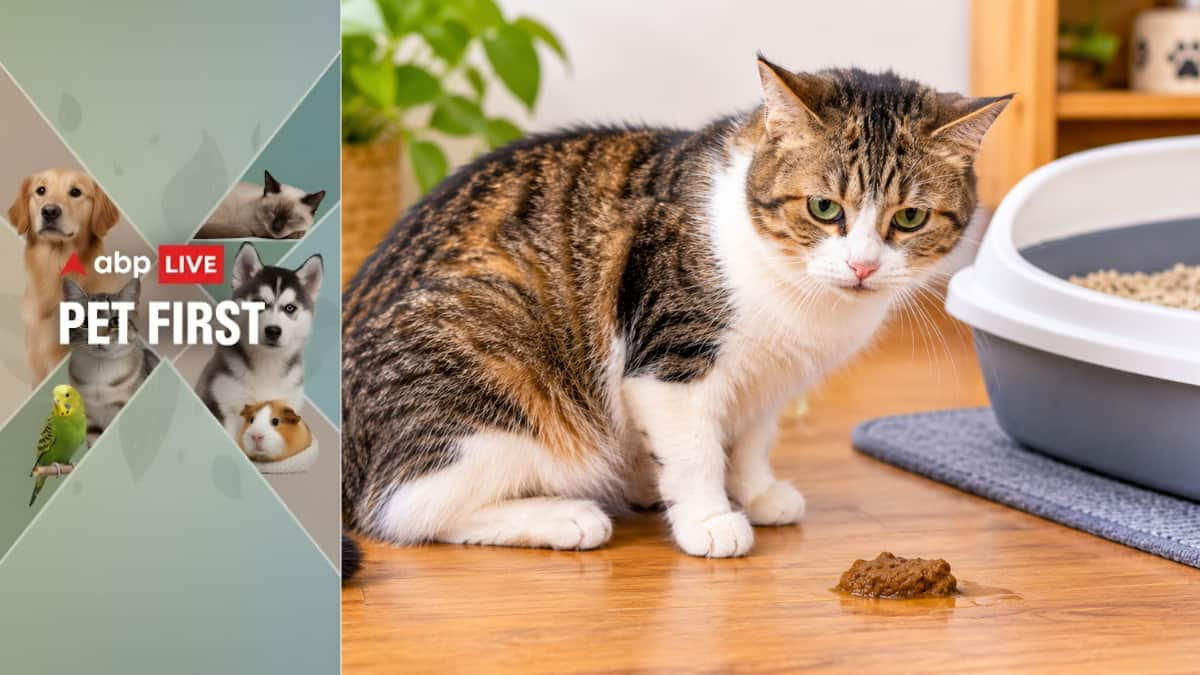
Diarrhoea in cats can quickly become a messy problem, but loose stools are not just an inconvenience for pet owners. They can indicate digestive issues, infections, food intolerances, or underlying health conditions that need veterinary attention. While an occasional change in stool consistency may not always signal a serious problem, persistent diarrhoea, blood in the faeces, or accompanying symptoms such as vomiting and lethargy should never be ignored. Understanding what your cat's normal bowel movements look like, recognising unusual changes and knowing when to consult a veterinarian can help you respond promptly and prevent further complications.
Cat Diarrhoea: What Does Normal Cat Poop Look Like?
Before identifying a problem, cat owners should understand what healthy stools generally look like. Normal cat faeces are usually deep brown, moist enough for some litter to stick to them, and firm without being excessively hard.
According to the American Association of Feline Practitioners (AAFP), normal cat stools have an odour, but it should not be so unpleasant that it makes you leave the room. Most cats pass stools once every 24 to 36 hours, although some may defecate twice a day.
As you clean the litter box, pay attention to changes in your cat's bowel movements. Diarrhoea occurs when faeces move too quickly through the intestines, leaving insufficient time for the body to absorb water and nutrients.
The consistency can range from soft, mushy stools to completely watery bowel movements. Some cats may also have mucus or blood in their faeces. These changes deserve attention, particularly if they continue. Long-haired cats may develop soiling around their hindquarters, while other cats may leave loose stools outside the litter box. Checking the litter box regularly can help you spot these changes early.
ALSO READ | Pet First | Feeding Your Dog Roti Every Day? Know The Hidden Risks
Causes Of Diarrhoea In Cats
Diarrhoea is a symptom rather than an illness on its own. According to the Cornell Feline Health Centre, several conditions can affect a cat's gastrointestinal tract and lead to loose stools.
Some common causes include:
-
Infections: Viral and bacterial infections can disturb normal digestive functions.
-
Intestinal parasites: Worms and organisms such as Coccidia can cause digestive problems.
-
Underlying illnesses: Inflammatory bowel disease, colitis, pancreatic disorders, cancer and hypothyroidism may contribute to persistent diarrhoea.
-
Food-related problems: Sudden dietary changes, food intolerance and allergies can trigger loose stools.
-
Toxic substances: Ingesting poisonous plants, chemicals or other harmful substances can affect the digestive system.
Since these causes require different approaches to treatment, changing your cat's food without consulting a veterinarian may not address the actual problem. Even if the stool temporarily improves, an underlying condition could remain untreated.
ALSO READ | Pet First | 6 Early Warning Signs Your Cat Could Be Suffering From An Ear Infection
When To Take Your Cat To The Vet And What Treatment To Expect
If your cat has diarrhoea for 48 hours or longer, contact a veterinarian. However, do not wait if you notice blood in the stool, black or tarry faeces, repeated vomiting, fever, unusual tiredness or loss of appetite. These symptoms require immediate veterinary attention.
During the consultation, the veterinarian may ask when the problem started, whether your cat's eating habits have changed and what the stools look like. You may also be asked to bring a fresh stool sample for testing. Photographs of the litter box can help the veterinarian understand the problem.
Renee Rucinsky, DVM, DABVP (feline specialty), who owns a cat hospital in Maryland, emphasises the importance of providing an accurate history.
"The veterinarian really needs to know how long [your cat's diarrhea] has been going on," Rucinsky says. "Telling us that it's only been happening for a few days when it's actually been much longer can really change the way we approach the problem. We need all of the information to treat the cat appropriately."
Depending on the symptoms, the veterinarian may recommend stool tests or other investigations to identify infections, parasites and underlying conditions.
Possible Treatment Options Include:
-
Dietary changes: Easily digestible food or a specially formulated veterinary diet may be recommended.
-
Probiotics: Veterinary-approved probiotics may help support digestive health.
-
Fibre supplements: Canned pumpkin or other fibre supplements may be suggested in specific cases, depending on the cause.
-
Medication: Antidiarrhoeal medicines, dewormers or anti-inflammatory medication may be prescribed when appropriate.
Never give your cat human medicines or withhold food for an extended period without veterinary advice. Cats have specific nutritional needs, and some human medications contain ingredients that can be dangerous for them.
If your cat is not drinking enough water, diarrhoea can also lead to dehydration. Contact your veterinarian if symptoms continue, treatment does not appear to help, or your cat develops additional signs of illness.
Some cats experience chronic diarrhoea that takes time to diagnose. In such cases, long-term dietary management and appropriate veterinary care may help control the condition.
Diarrhoea in cats should not be dismissed as a temporary digestive problem, particularly when it persists or is accompanied by other symptoms. Monitoring your pet's litter box habits, ensuring adequate hydration and seeking timely veterinary advice can help identify the cause and prevent complications.
[Disclaimer: The information provided in this article is intended for general informational purposes only. It is not a substitute for professional veterinary advice, diagnosis, or treatment. Always consult a qualified veterinarian regarding your pet’s health, diet, or any medical concerns.]
This content is published by ABP Live - Lifestyle and has not been created or edited by Hello Headlines. View original