Bike taxis may return to Bengaluru as Supreme Court rejects Karnataka's plea
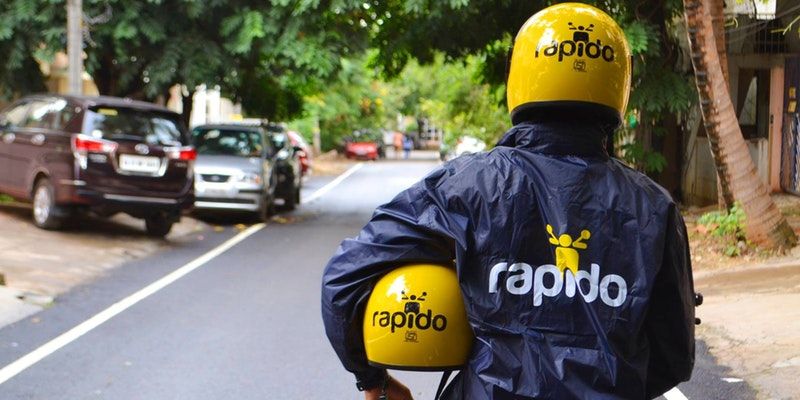
Bengaluru's bike taxi services could soon see a revival after the Supreme Court rejected the Karnataka government's appeal seeking to reinstate the ban on the service.
The decision removes a major legal hurdle for app-based platforms such as Rapido, Ola and Uber, potentially restoring a transport option that has gained relevance in the city's traffic-heavy urban landscape.
Bike taxis offer commuters a relatively quick and affordable alternative to autorickshaws and cabs, particularly for short-distance journeys. Their ability to navigate congested roads makes them useful for office-goers, students and those travelling to and from public transport hubs.
They could also help address Bengaluru's last-mile connectivity gap. Despite the expansion of the Namma Metro network, several residential areas and workplaces remain some distance from stations. Bike taxis can bridge this gap, making Metro and BMTC services more accessible.
The legal dispute dates back to April 2025, when a single-judge bench of the Karnataka High Court ruled that aggregators could not operate bike taxi services without the state notifying the necessary guidelines. Following the order, services were suspended from June 16, 2025.
On January 23, 2026, a division bench of the Karnataka High Court overturned the earlier ruling. As reported by Bar and Bench, the court held that motorcycles could be registered as transport vehicles and operated as contract carriages under the Motor Vehicles Act, 1988. It also directed transport authorities to consider applications for vehicle registration and contract carriage permits.
The Karnataka government subsequently challenged the order before the Supreme Court, citing concerns over passenger safety, insurance coverage and the lack of a clear regulatory framework.
Dismissing the state's appeal, the Supreme Court observed that bike taxis should be regulated rather than prohibited, recognising their affordability and convenience for commuters.
Welcoming the development, Uber said the decision would bring greater regulatory clarity to the sector.
“We welcome the Hon’ble Supreme Court’s decision to uphold the Karnataka High Court’s judgment on bike taxis. The decision brings much-needed regulatory clarity and recognises bike taxis as an important mobility option, offering commuters an affordable and convenient way to navigate congested cities while creating flexible earning opportunities for drivers,” an Uber spokesperson said.
However, the ruling does not give aggregators an unconditional licence to operate. They will still need to comply with applicable regulatory requirements, including vehicle registration and contract carriage permits.
For Bengaluru, a regulated bike taxi ecosystem could strengthen last-mile connectivity and create livelihood opportunities. However, concerns around road safety, passenger insurance, rider verification and aggregator accountability will need to be addressed.
The next step rests with Karnataka's transport department. The pace at which authorities process applications and implement the regulatory requirements will determine when and how bike taxis return to Bengaluru's roads.
This content is published by YourStory and has not been created or edited by Hello Headlines. View original