Mantra Jaap Mala: 10 Types Of Prayer Beads And Their Benefits; 6 Important Rules To Follow
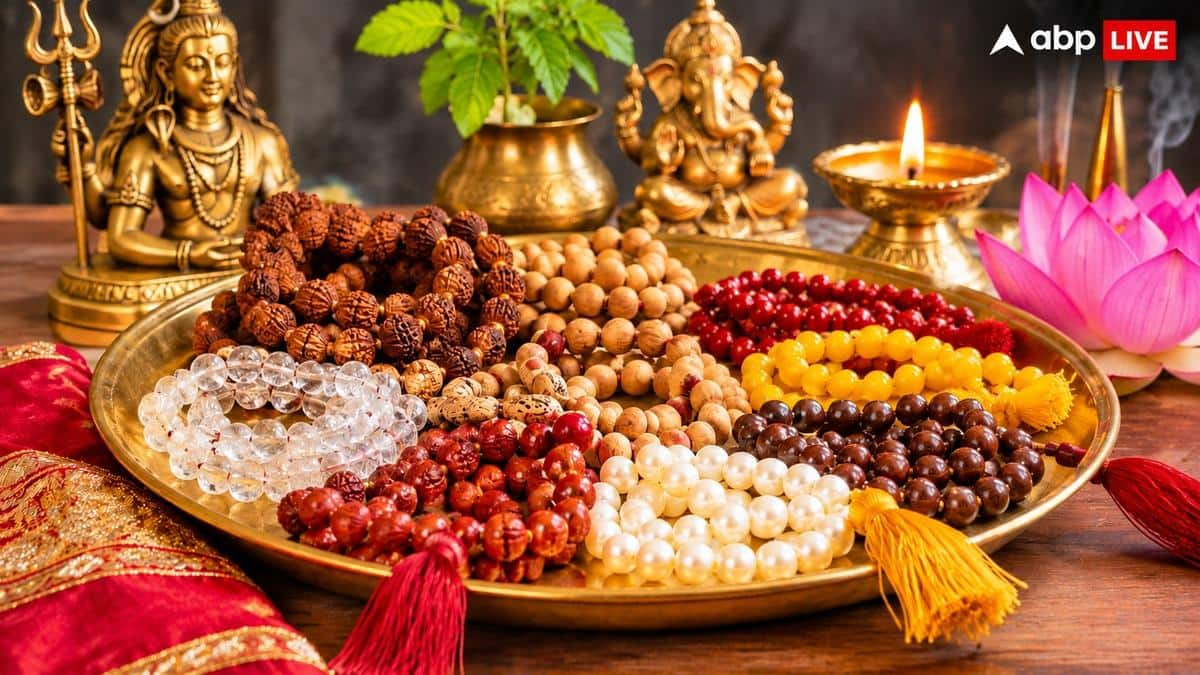
10 Types Of Jaap Malas And Their Benefits
1. Rudraksha Mala
It is considered ideal for worshipping Lord Shiva and chanting the Mahamrityunjaya Mantra. It is believed to bring mental peace and protect devotees from various fears and illnesses.
2. Tulsi Mala
It is considered especially sacred for worshipping Lord Vishnu, Lord Rama and Lord Krishna. It is believed to purify the mind and lead towards spiritual peace.
3. Kamalgatta Mala
Chanting Goddess Lakshmi's mantras with this mala is considered auspicious, especially for those facing financial difficulties or seeking progress in business. It is believed to attract happiness, prosperity and abundance.
4. Sphatik Mala
It is considered dear to Goddess Saraswati and Goddess Lakshmi. Chanting with this mala is believed to calm the mind, improve concentration and help with stress and anger.
5. Red Sandalwood Mala
It is considered auspicious for seeking the blessings of Goddess Durga, Lord Hanuman and the planet Mars. It is believed to awaken inner confidence and provide courage to face difficult challenges.
6. White Sandalwood Mala
It is associated with the worship of Lord Vishnu, Lord Krishna and the planet Jupiter. Its cooling nature is traditionally believed to calm the mind and promote happiness and peace within the family.
7. Turmeric Mala
It is traditionally used to overcome obstacles in marriage and strengthen the influence of the planet Jupiter. It is also considered beneficial for worshipping Lord Ganesha and Goddess Baglamukhi, and is believed to bless devotees with wisdom and success.
8. Coral Mala
It is believed to help devotees seek Lord Hanuman's blessings and reduce the effects of Mangal Dosha. It is also traditionally associated with overcoming old debts and increasing physical and mental strength.
9. Pearl Mala
It is considered beneficial for calming the planet Moon and seeking Lord Shiva's blessings. It is believed to help control an unsettled mind and maintain emotional balance.
10. Vaijayanti Mala
It is considered dear to Lord Krishna and Lord Vishnu. Regular chanting with this mala is believed to bring positivity, enhance one's personality, increase social respect and support success in different endeavours.
6 Important Rules Of Mantra Chanting
To receive the full spiritual benefits of mantra chanting, certain traditional rules should be followed:
-
Always sit on a proper asana while chanting.
-
Keep the mala covered inside a Gomukhi (a cloth bag specially used for prayer beads).
-
Avoid touching the beads with your index finger.
-
Complete the count of 108 beads during chanting.
-
Do not cross the Sumeru bead after completing 108 repetitions.
-
Instead, turn the mala around and continue chanting in the opposite direction.
This content is published by ABP Live - Lifestyle and has not been created or edited by Hello Headlines. View original