‘A whole team cheating’ - Geoffrey Boycott compares Sandpapergate to Hansie Cronje's match-fixing scandal
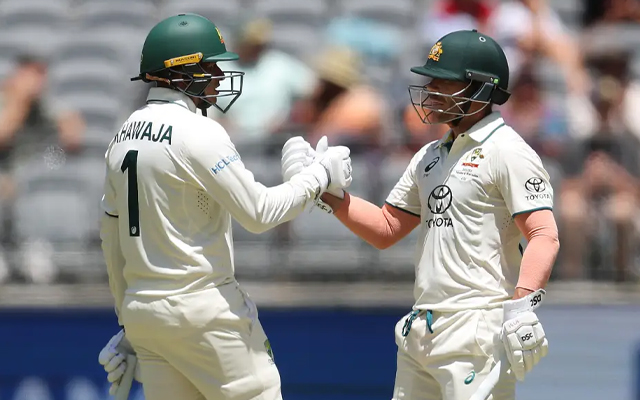
During the Cape Town Test on March 23, 2018, Australia's cricket team became embroiled in one of the sport's most damaging controversies when Cameron Bancroft was caught using sandpaper to alter the ball's surface. David Warner had orchestrated the plan, and captain Steven Smith was aware of the scheme yet chose not to intervene. The incident triggered global condemnation and led to lengthy bans for the players involved, yet the fallout continues to define Australian cricket's reputation.
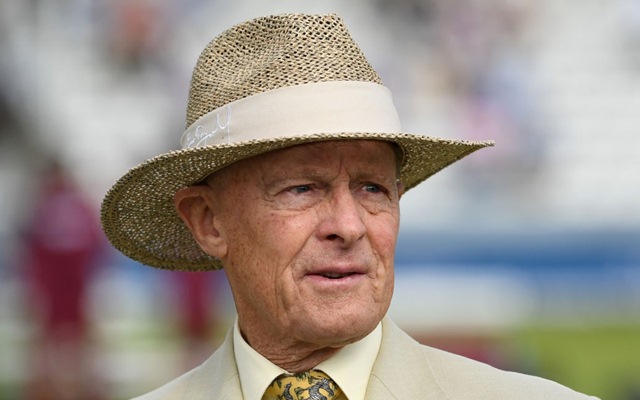
Geoffrey Boycott, the legendary England batter, has now delivered a scathing assessment of Smith's leadership during the scandal. Writing in his Telegraph column, Boycott argued that Smith's decision to distance himself from the plot while allowing it to proceed represented an unforgivable abdication of captaincy.
According to Usman Khawaja's book Sabr, Smith accepted responsibility and took a one-year ban from Cricket Australia, reportedly to shield his teammates from further punishment.
Boycott's criticism centres on Smith's choice to remain detached from the conspiracy while benefiting from its unfair advantages. The former England opener contended that a captain's primary duty is to uphold the game's integrity and prevent misconduct before it occurs.
"As captain, Smith should have put a stop to it as soon as Warner raised the idea of using sandpaper," Boycott wrote in his column for the Telegraph.
The scale of the scandal
Boycott's criticism extends beyond Smith's individual failure to encompass the scale of the conspiracy. The former England opener contended that the entire Australian squad and coaching staff were implicated in a coordinated scheme to cheat. He maintained that the ball-tampering was carefully orchestrated across two Test matches, demonstrating deliberate premeditation rather than a momentary lapse in judgment.
"The sandpaper scandal is even bigger than Hansie Cronje’s match-fixing, which ripped apart South Africa cricket more than 25 years ago. This is bigger than anything I have read or seen in cricket: a whole team cheating. Cronje’s crimes mainly involved him recruiting a couple of junior players… but sandpaper involved the whole Australian team. The squad and coaches were all up to their necks in it, plotting and planning to cheat en masse, and the cover-up let three players take the blame," Boycott said.
Bancroft received a nine-month suspension for his role in executing the plan. Smith and Warner each served one-year bans before returning for the 2019 ODI World Cup. Boycott contended that both Warner and Smith warranted significantly longer suspensions than those imposed, arguing that the severity of the conspiracy demanded harsher penalties to reflect the damage inflicted on cricket's integrity.
This content is published by CricTracker and has not been created or edited by Hello Headlines. View original