Mercury In Fairness Creams Under Scanner After Kerala Teen Develops Kidney Disease; Know Its Risks
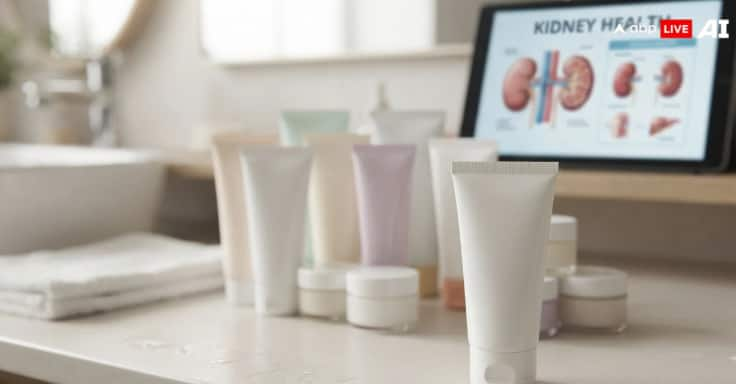
The growing use of fairness creams and skin-lightening products has raised concerns about the safety of certain cosmetic ingredients. A shocking case from Kerala has highlighted how prolonged exposure to toxic substances in unregulated skincare products may pose serious health risks. A 17-year-old girl from Malappuram reportedly developed a serious kidney disorder after using a fairness cream for several months. Medical investigations also revealed dangerously high levels of mercury in her body.
The incident highlights the potential health consequences of using skin-lightening products without checking their ingredients and safety standards. While these creams are often marketed as solutions for pigmentation, acne and dark spots, certain products containing harmful substances can expose users to serious health complications.
Kerala Teen Develops Kidney Disorder After Using Fairness Cream
According to reports, the teenager started using a fairness cream in August 2025 after seeing its advertisement on social media. The product reportedly claimed to help remove pimples, dark spots and pigmentation with regular application.
Initially, she believed the cream was effective and continued using it. However, after some time, she began experiencing health problems, including a sudden drop in blood pressure, fainting spells and swelling in her legs.
As her condition deteriorated, she was admitted to a hospital, where doctors conducted further investigations. Medical examinations revealed that she was suffering from membranous nephropathy, a serious kidney disorder.
Doctors also suspected exposure to a toxic substance after detecting unusually high mercury levels in her body. Laboratory testing of the cream reportedly revealed mercury concentrations of 12,500 parts per million (PPM).
ALSO READ | Gujarat Tops India's HPV Vaccination Chart, 7.75 Lakh Girls Receive Doses
How Does Mercury In Fairness Cream Affect Kidney Health?
Mercury is a toxic heavy metal that can cause serious damage to the human body. It has been detected in certain illegal or adulterated skin-lightening products because some mercury compounds can interfere with melanin production, the pigment responsible for skin colour.
Repeated application of mercury-containing creams can allow certain mercury compounds to enter the body through the skin. Once absorbed, mercury can travel through the bloodstream and affect different organs, particularly the kidneys.
The kidneys are responsible for filtering waste products and excess substances from the blood and eliminating them through urine. However, mercury exposure can damage the kidney's filtering structures, interfere with their normal functioning and contribute to serious kidney disorders.
Prolonged exposure can also increase the risk of other health complications, depending on the form of mercury, the level of exposure and individual health factors.
What Is Membranous Nephropathy And How Does It Affect The Kidneys?
Membranous nephropathy is a kidney disease in which the immune system damages the glomeruli, the tiny filtering units inside the kidneys. These structures help remove waste and excess fluid while retaining essential proteins in the bloodstream.
When the glomeruli become damaged, proteins begin leaking into the urine. This condition is known as proteinuria and can lead to several symptoms and complications.
Some common signs associated with membranous nephropathy include:
-
Swelling in the legs and feet: Excess fluid can accumulate in different parts of the body because of protein loss.
-
Foamy urine: Increased protein levels in urine can make it appear unusually foamy.
-
Weight gain: Fluid retention may cause unexplained weight gain.
-
High blood pressure: Kidney damage can affect the body's ability to regulate blood pressure.
-
Reduced kidney function: In some cases, the condition can progress and lead to chronic kidney disease.
The severity of the condition varies from person to person. Early diagnosis and appropriate medical management are important to prevent further kidney damage.
ALSO READ | Can Rising AQI Give You A Headache? Know How Air Pollution May Affect Your Brain
How Can You Identify Unsafe Fairness Creams?
Not every fairness cream or skin-lightening product contains mercury. However, products manufactured or sold without proper safety checks may contain prohibited or harmful ingredients.
Consumers should be particularly cautious about products that promise instant whitening or dramatic changes in skin colour. Checking the ingredients and purchasing products from reliable sources can help reduce the risk of exposure to unsafe substances.
Here are some precautions to follow:
-
Check The Ingredient List: Read the product label carefully and avoid products with incomplete ingredient information. Mercury may also appear under names such as mercurous chloride, calomel, mercuric or mercurio.
-
Buy From Reliable Sources: Purchase skincare products from authorised retailers and established manufacturers.
-
Avoid Unrealistic Claims: Be cautious of creams promising instant fairness or complete removal of pigmentation within a few days.
-
Do Not Rely Only On Social Media Promotions: Advertisements and influencer recommendations do not establish the safety or effectiveness of a cosmetic product.
-
Consult A Dermatologist: Seek professional advice for acne, pigmentation and other skin concerns instead of experimenting with unverified products.
When Should You Stop Using A Skincare Product?
If a skincare product causes unusual irritation, swelling, rashes or other unexpected symptoms, stop using it and seek medical advice. However, mercury exposure may not always produce immediate or visible skin reactions.
Anyone who suspects exposure to mercury through a cosmetic product should consult a healthcare professional. Doctors may recommend appropriate tests to assess mercury exposure and check kidney function, depending on the symptoms and medical history.
The Kerala incident serves as a reminder that skincare choices should not come at the cost of overall health. A product promising brighter skin may not necessarily be safe, particularly when its ingredients and manufacturing standards are unclear.
[Disclaimer: The information provided in the article is intended for general informational purposes only. It is not a substitute for professional medical advice, diagnosis, or treatment. Always seek the advice of your physician or other qualified healthcare provider with any questions you may have regarding a medical condition.]
This content is published by ABP Live - Lifestyle and has not been created or edited by Hello Headlines. View original