Excise Case: CBI Flags 'Palpable Errors' In Order Discharging Kejriwal, Says Trial Court Ignored Evidence
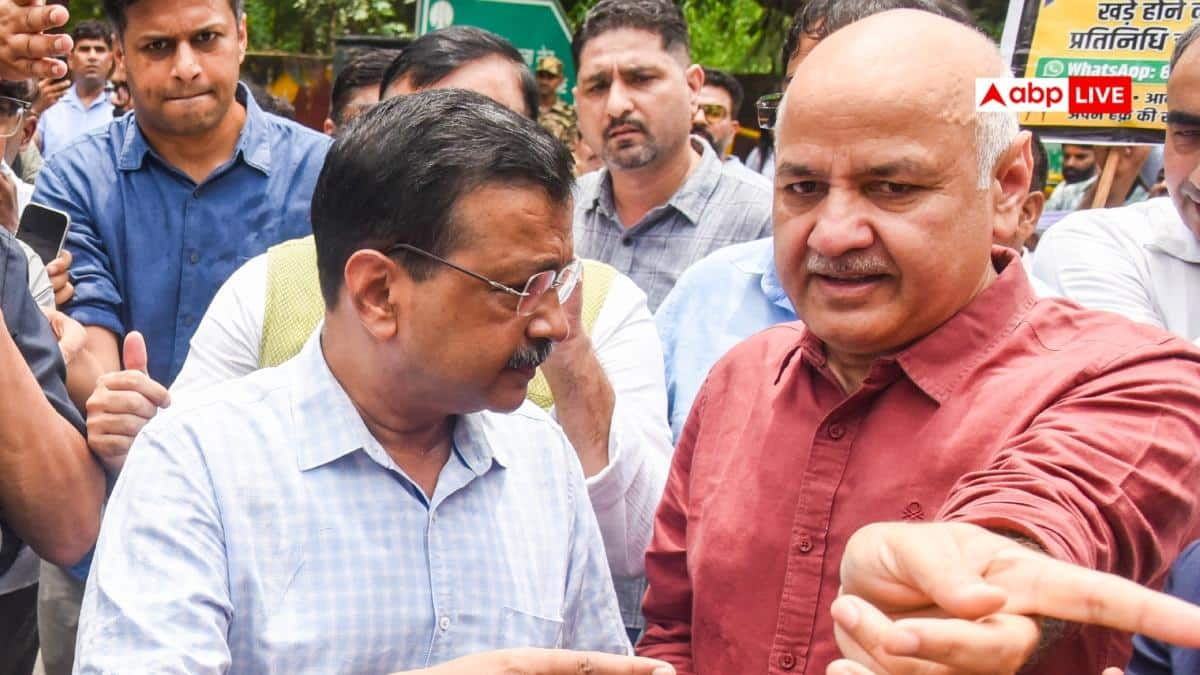
The Central Bureau of Investigation (CBI) has argued before the Delhi High Court that the trial court made serious legal errors while discharging Aam Aadmi Party (AAP) leaders Arvind Kejriwal, Manish Sisodia and 21 others in the Delhi excise policy case. The agency has alleged that the Rouse Avenue Court effectively conducted a "mini trial" at the stage of framing charges and failed to properly consider evidence of an alleged criminal conspiracy.
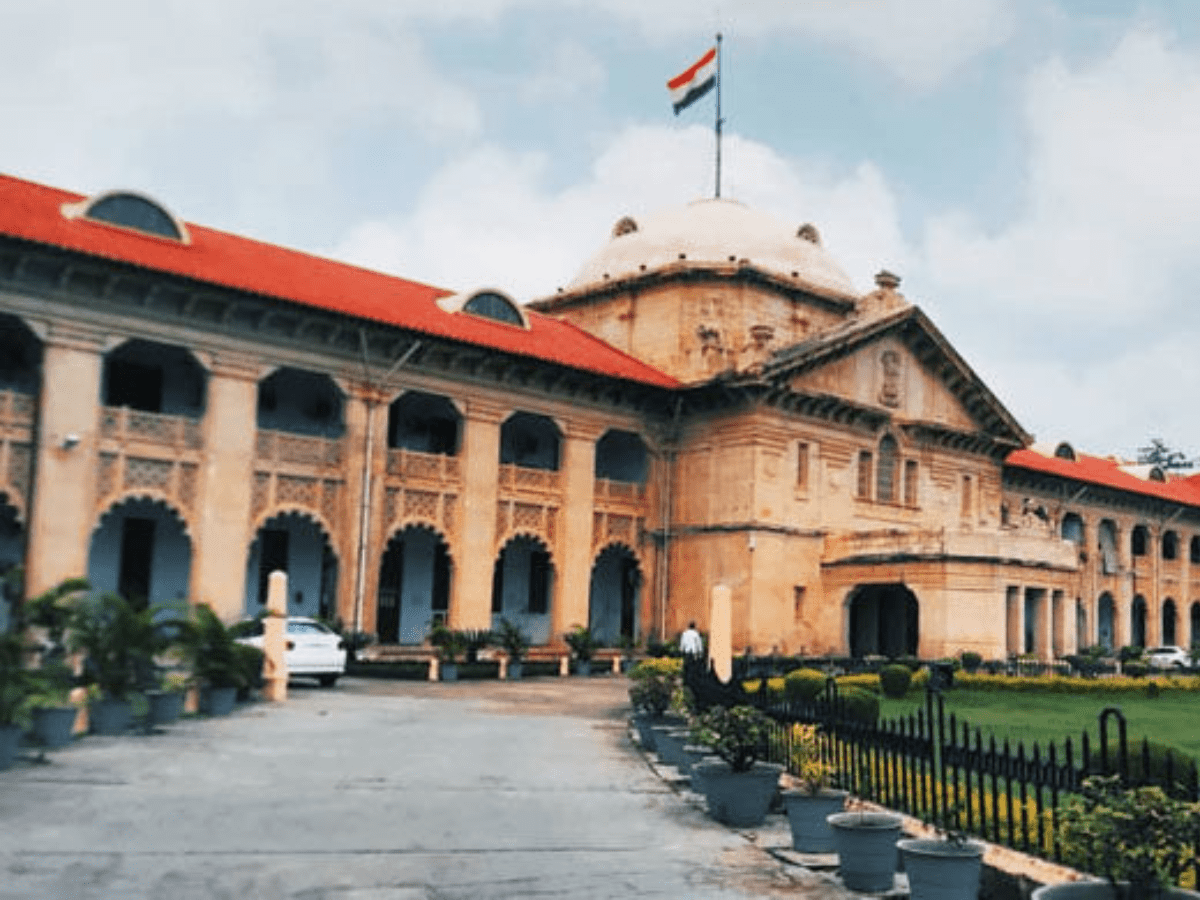
Appearing for the CBI before Justice Sachin Datta, Additional Solicitor General S V Raju argued that the case could not have been dismissed at the initial stage. The agency maintained that there was sufficient material on record to warrant proceeding against the accused, but the trial court had not examined the evidence in the manner required by law.
The CBI has asked the High Court to set aside the trial court's February 27 order, describing it as legally flawed and containing errors apparent on the face of the record.
CBI Says Trial Court Conducted A 'Mini Trial'
Arguing before the High Court, Raju said that at the stage of framing charges, a court is required to determine whether there is sufficient ground to proceed against an accused. It is not expected to conduct a detailed assessment of the entire prosecution case at that point.
The CBI alleged that the trial court went beyond this limited exercise by examining the evidence in detail and reaching conclusions on its significance. According to the agency, the judge effectively conducted a mini trial, which was not permissible at the stage of framing charges.
The investigating agency further argued that the lower court prematurely assessed the evidentiary value of the material before it, thereby exceeding the scope of its powers.
ALSO READ: No Question Hour Or Zero Hour As Parliament Resumes For 4 Days Amid Delimitation Bill Buzz
Agency Claims Evidence Of Criminal Conspiracy Was Overlooked
The CBI also maintained that several pieces of evidence on record pointed to an alleged criminal conspiracy behind the changes made to Delhi's excise policy.
According to the agency, the trial court failed to properly appreciate the conspiracy angle and instead relied on selected facts and evidence while assessing the prosecution's case. The CBI argued that the material should have been considered as a whole rather than examined selectively.
"There were palpable errors on the face of it and material evidence was ignored and not considered by the trial court. There was a lot of evidence on record to show that criminal conspiracy existed but the trial court judge failed to appreciate that conspiracy existed in the case. The trial court has erred by commenting on the evidentiary value of the material at the stage of charge," Additional Solicitor General S V Raju told the court.
The agency also objected to remarks made by the trial court against the investigating agency and the investigating officer, alleging that they were unnecessary.
Kejriwal, Sisodia's Side To Argue On December 9 And 10
The Delhi High Court has scheduled the next hearing for December 9 and 10. Arguments on behalf of Kejriwal, Sisodia and the other accused will be heard on those dates, with the respondents expected to raise objections over the maintainability of the CBI's revision petition.
The question of maintainability concerns whether the CBI's challenge can be entertained under the law. The accused have already questioned the legal basis of the agency's petition.
The High Court is hearing the CBI's challenge to the Rouse Avenue Court's February 27 order, which discharged Kejriwal, Sisodia and 21 other accused in the case. The trial court had held that the prosecution's case did not withstand judicial scrutiny and had lost its credibility.
ALSO READ: Azam Khan's Emotional Jail Remark To Akhilesh Yadav: ‘Wish You Had Spent 6 Months In Prison’
What Is The Delhi Excise Policy Case?
The CBI and the Enforcement Directorate (ED) have alleged irregularities in the formulation and implementation of the Delhi government's 2021-22 excise policy. The agencies claim that rules were bypassed and undue benefits were extended to certain liquor licence holders.
The policy was introduced on November 17, 2021, but was withdrawn in September 2022 amid allegations of corruption.
The CBI registered a case after the then Lieutenant Governor of Delhi recommended an investigation into alleged irregularities in the policy. The ED subsequently initiated a money laundering investigation based on the CBI case.
The trial court discharged all 23 accused in the CBI case on February 27, 2026. The agency has now approached the Delhi High Court seeking to overturn that decision.
This content is published by ABP Live - India and has not been created or edited by Hello Headlines. View original