BCB plans unified, data-driven age-group coaching structure
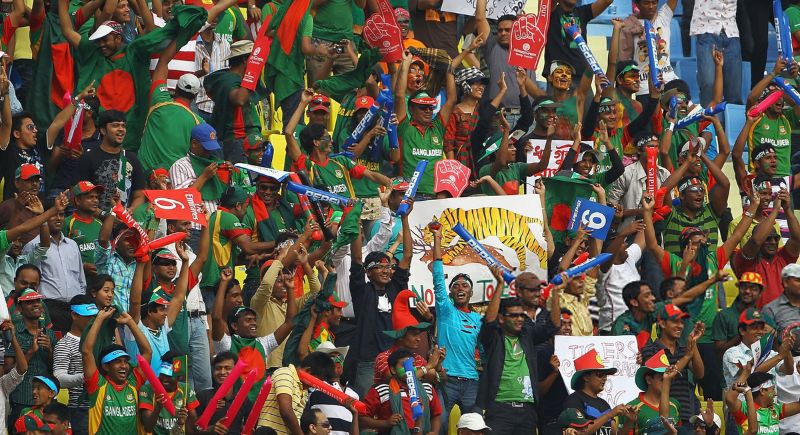
The Bangladesh Cricket Board convened a meeting with its contracted coaches on November 25 to discuss a proposed unified, data-driven coaching structure for age-group cricket. The initiative is designed to address a long-standing gap in coordination, where coaches at different age levels had been working independently without adequate communication or continuity.
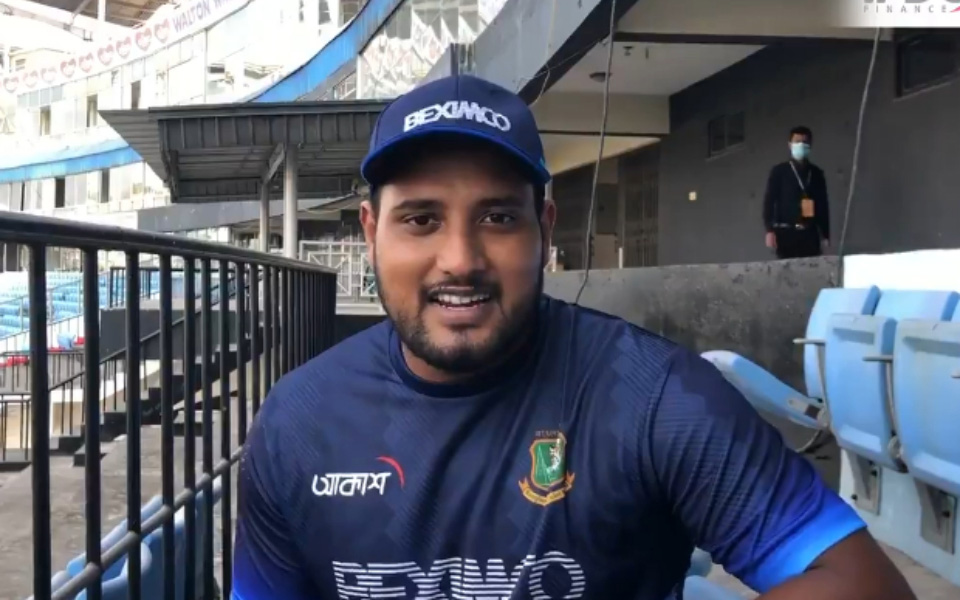
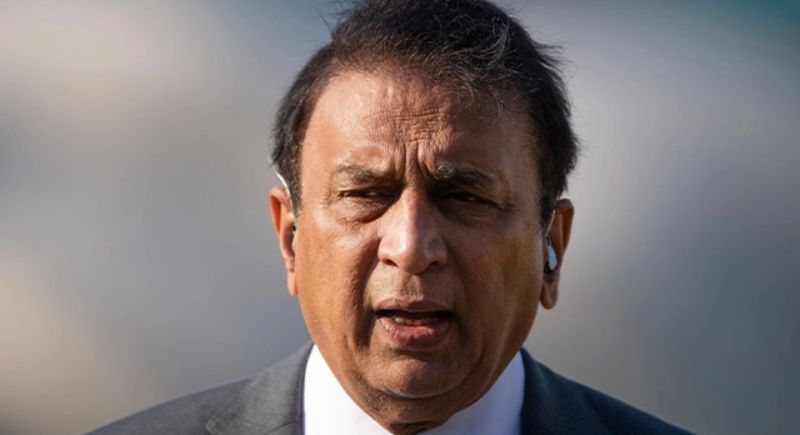
BCB president Tamim Iqbal chaired the discussions, which were also attended by High Performance Unit head Mohammad Salahuddin and BCB game development advisor Khaled Mahmud. Salahuddin delivered the keynote address at the meeting and outlined the core philosophy of the proposal.
"We are trying to bring about an alignment with an aim to establish a more unified coaching structure that ensures players follow a consistent development pathway as they progress through the age groups," said Salahuddin as quoted by Cricbuzz.
Why did BCB feel the need for a new coaching framework?
The central problem the BCB identified was that age-group coaches had historically operated in silos, with little awareness of the work done at the preceding level. A player moving from the Under-15 setup to the Under-17 programme, for instance, could find coaches repeating developmental work that had already been completed, disrupting the continuity of his progress.
Salahuddin elaborated on this gap in a detailed address to the assembled coaches.
"Basically we want every coach to be well aware how a cricketer is developed in different age-groups so that they can take him forward without interrupting his progression when he comes from one age-group to another. That means if certain work is done with an Under-15 cricketer the same work should not be repeated and when he enters Under-17 the coaches will start working with the next part in place. It's a very good process. It should have been done many years ago but we're doing it much later but it's better late than never as the work is being done at the moment," said Salahuddin.
Salahuddin further simplified the problem by pointing out that the Under-17 coach currently has no visibility into what was done at the Under-15 stage.
"We mean that now when the players come from 15 to 17, the coach of 17 doesn't know what happened in 15 but now they will now know what work this player is doing," said Salahuddin.
How will data underpin the new coaching structure?
A key pillar of the proposed framework is that information shared between coaching levels must be grounded in concrete data rather than informal verbal communication. The BCB wants each coach to have access to a clear development graph for every cricketer moving through the system, so that decisions at each stage are traceable and evidence-based.
Salahuddin was direct about the standard being set for information exchange.
"Now on what basis will the information be shared? The basis will be that it has to be concrete data. I said verbally that he can do this and that it can't be like this because we want the process to be backed with data so that when the cricketer is going from one stage to another every coach is well aware about his development graph," said Salahuddin.
Alongside the coaching structure proposal, the BCB has also been developing plans for cricket academies in six to seven cities across Bangladesh, where 50 to 60 young cricketers would be trained free of cost. Tamim Iqbal had stated that the academy proposal was to be presented for board approval at a meeting scheduled for November 28, 2026, with activities expected to begin within the next few months.
This content is published by CricTracker and has not been created or edited by Hello Headlines. View original