ICMR-NIN Survey Finds Low Levels Of Vitamin D In Nearly Two-Thirds Of Indian Teenagers
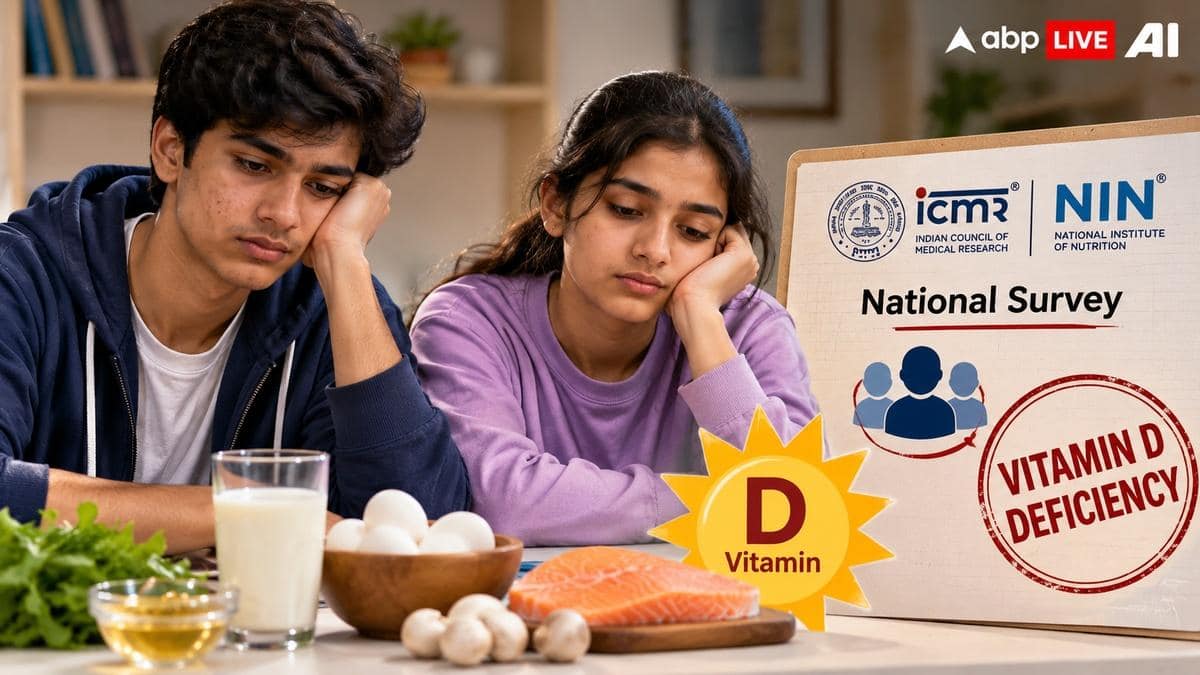
Vitamin B12 deficiency has emerged as a major nutritional concern among Indian teenagers, with nearly two-thirds of adolescents showing low levels of the essential nutrient, according to a national survey by the Indian Council of Medical Research (ICMR) and the National Institute of Nutrition (NIN). The findings reveal that 65.4% of girls and 66.1% of boys aged 10–19 years have vitamin B12 deficiency. The survey also found low levels across children, adults and pregnant women, highlighting the need to pay greater attention to nutritional health across different age groups.
Two-Thirds Of Teens Affected
According to the survey, vitamin B12 deficiency was found in 65.4% of adolescent girls and 66.1% of adolescent boys between 10 and 19 years of age. The ICMR-NIN report considered blood vitamin B12 levels below 203 picograms per millilitre (pg/mL) to indicate deficiency. The findings show that the problem is almost equally prevalent among teenage girls and boys.
The survey was conducted between 2023 and 2025 across 183 districts in 35 States and Union Territories. More than 81,000 households and over two lakh people were included in the assessment.
Also Read: What Is Cutis Laxa? Know The Rare Skin Disorder That Causes Premature Ageing
Researchers also analysed around 1.7 lakh blood samples to assess nutritional indicators across different age groups and population categories. The survey was conducted under the Survey for Assessment of Markers of Population Health, Activity, Diet and Anthropometry (SAMPADA).
Rural And Urban Differences
The survey also identified differences in vitamin B12 deficiency between rural and urban populations. Among adolescent girls, 66.5% in rural areas had low vitamin B12 levels, compared with 61.7% in urban areas. The pattern was different among boys. The deficiency rate stood at 68.6% in urban areas, while 65.3% of boys in rural areas were found to have low levels.
Children And Adults Also Affected
The findings indicate that vitamin B12 deficiency is not limited to teenagers. Among children aged five to nine years, 46.5% had low vitamin B12 levels. The figure stood at 37.3% among children aged 12–59 months. The survey also found deficiency in 55.2% of women and 60.4% of men aged 20–59 years. Among women above 60, the figure was 41.2%.
The findings also highlighted concerns among pregnant and breastfeeding women. Vitamin B12 deficiency was recorded in 63.1% of pregnant women and 51.8% of lactating women.
Also Read: Air Pollution May Increase Kidney Disease Risk; Know The Effects Of PM2.5 Exposure
Why Vitamin B12 Matters
Vitamin B12 is an essential nutrient that supports the formation of red blood cells, proper nerve function and DNA production. It also plays an important role in maintaining the normal functioning of the brain and nervous system.
Low levels of vitamin B12 can be associated with symptoms such as fatigue, weakness, tingling or numbness, and difficulty concentrating. Prolonged deficiency may also lead to neurological complications.
The survey's findings highlight the importance of monitoring nutritional health across different stages of life, particularly among adolescents, children and women.
This content is published by ABP Live - Health and has not been created or edited by Hello Headlines. View original