Bisleri Questions FSSAI Test Findings After Coliform Bacteria Detected In West Bengal Water Sample, Seeks Review
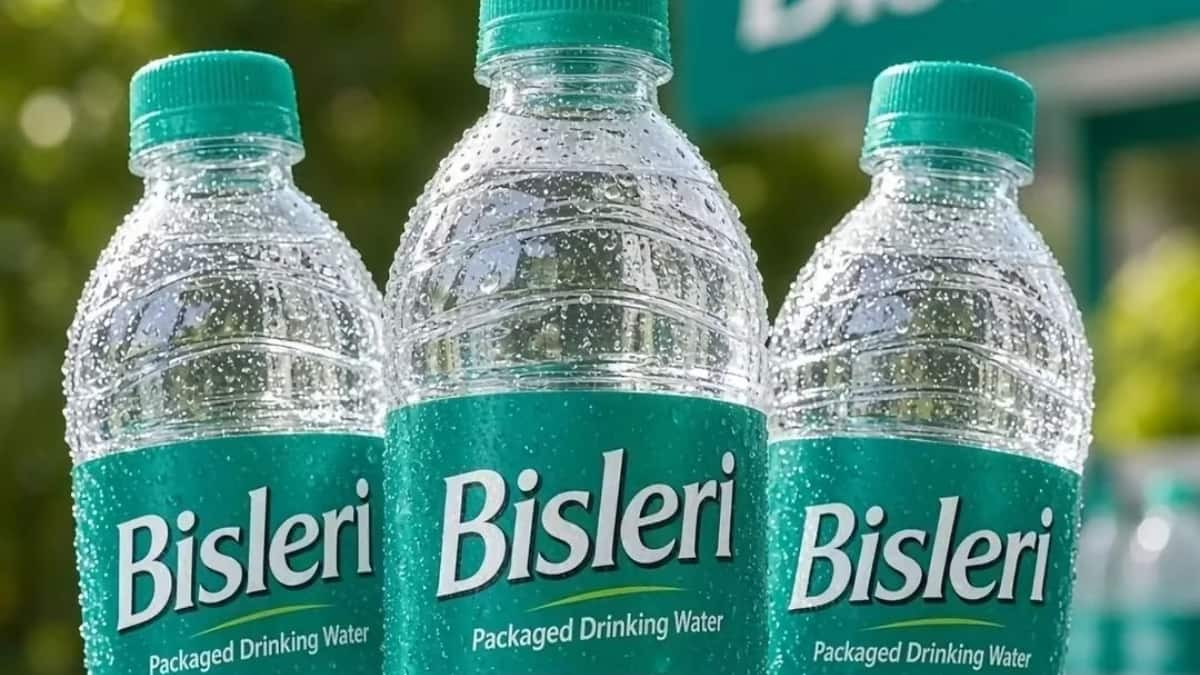
Bisleri International has asked the Food Safety and Standards Authority of India (FSSAI) to review conflicting laboratory findings concerning a batch of its packaged drinking water manufactured in West Bengal. The company said tests conducted by two independent, FSSAI-recognised laboratories found the sample compliant with prescribed quality standards, while regulatory testing detected coliform bacteria.
The issue relates to Batch PB201, produced at Bisleri's manufacturing facility in Telipara village, in West Bengal's Jalpaiguri district. The company said it had already withdrawn the affected batch after FSSAI prohibited its sale on August 12, 2026. The request for a review follows the regulator's latest order sanctioning prosecution against the company under the Food Safety and Standards Act, 2006.
ALSO READ: Bisleri Faces Fresh FSSAI Prosecution After Bengal Water Sample Tests Positive For Bacteria
Bisleri Questions Difference In Laboratory Findings
According to regulatory findings, both the primary laboratory and the referral food laboratory detected coliform bacteria in the sample collected from the West Bengal facility. The findings led FSSAI to prohibit the sale of the specific batch.
Bisleri, however, said independent tests commissioned by the company produced different results. One FSSAI-recognised laboratory found that the sample met the applicable coliform bacteria standard and other relevant food safety requirements. Testing at a second independent laboratory recognised by the regulator also found the sample compliant with the prescribed standard for coliform bacteria.
Bisleri seeks review of conflicting test results for West Bengal Batch PB201 https://t.co/pi2ZZJnLsB
— ANI (@ANI) November 28, 2026
“The difference between the regulatory and independent findings warrants a thorough review,” the company said. It has asked FSSAI to examine the sampling process, testing methods, laboratory findings and any other factors that could have led to the variation.
Bisleri said it expected the matter to be “assessed against the same standards” applied across the industry and added that it would continue to cooperate with the regulator to establish the facts.
Earlier Goa Case And FSSAI's Nationwide Checks
The West Bengal case comes after FSSAI sanctioned prosecution against Bisleri over a separate sample collected from one of its manufacturing facilities in Goa. In that case, the regulator said the sample exceeded the prescribed bromate limits and declared it unsafe under the Food Safety and Standards Act, 2006.
Following an appeal by the company, the sample was sent to a referral food laboratory. According to FSSAI, the second laboratory also classified it as unsafe after detecting polynuclear aromatic hydrocarbons (PAHs).
Meanwhile, FSSAI CEO Rajit Punhani recently said the regulator was collecting packaged drinking water samples from across the country. Laboratory testing was expected to be completed within one to two months. He said enforcement measures were intended to ensure compliance with food safety requirements and should not cause panic among consumers.
The central regulator has also asked state food commissioners and regional directors to strengthen surveillance, inspections and sampling of packaged drinking water and mineral water, and take action in cases of non-compliance. FSSAI has been stepping up enforcement against food business operators and e-commerce companies this year as part of its wider efforts to strengthen food safety monitoring.
This content is published by ABP Live - Business and has not been created or edited by Hello Headlines. View original