India Faces Fresh Oil Import Risks, Finance Ministry Flags Strait Of Hormuz Threat To Freight & Inflation
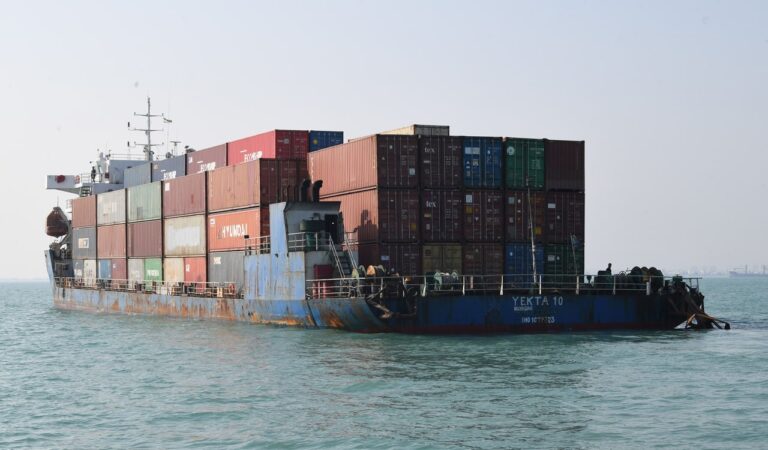
New Delhi: The Finance Ministry on Saturday said the continuing conflict in the Middle East and risks to the Strait of Hormuz could keep oil import bills and maritime freight rates subject to sustained volatility.
These supply-side shocks could feed into broader wholesale and retail price indices in the coming months, according to the Ministry’s ‘Monthly Economic Review for the month of November’.
“However, recent moderation in global crude oil prices, with benchmarks falling below US$100 per barrel in early November and strengthening of the rupee following robust capital inflows, may provide some relief from imported inflationary pressures, contingent upon the persistence of this trend,” the Review noted.
Domestic economic activity is expected to sustain its momentum into Q3 FY27, with high-frequency indicators pointing to continued expansion in goods movement, tax collections, energy consumption and freight. Business activity is likely to remain firm, with new orders gaining pace and input cost pressures easing.
Domestic demand should remain supportive, with sequential momentum in vehicle sales and continued strength in rural consumption. Comfortable fertiliser availability bodes well for the rabi season, although sowing is at an early stage and reservoir storage is below last year’s level, according to the Ministry.
Overall, industrial activity continued to expand, although industrial production growth moderated in September and the manufacturing Purchasing Managers’ Index (PMI) eased in October while remaining in the expansionary zone.
“Bank credit to industry and infrastructure increased, alongside steel consumption. Recent government measures have focused on strengthening domestic manufacturing capabilities,” the Review further noted.
Overall, India’s external sector has demonstrated resilience amid heightened geopolitical uncertainty. Robust merchandise export growth, supported by broad-based growth across key sectors, along with a sustained services trade surplus, has helped cushion the overall trade deficit.
Higher foreign direct investment inflows, along with substantial capital inflows, continue to support the overall balance of payments (BoP). Meanwhile, adequate foreign exchange reserves continue to provide a strong buffer against external shocks.
This content is published by Telangana Today and has not been created or edited by Hello Headlines. View original