AI-Based 'Matru Saathi' Helps Reduce Maternal, Infant Deaths in Madhya Pradesh's Shahdol

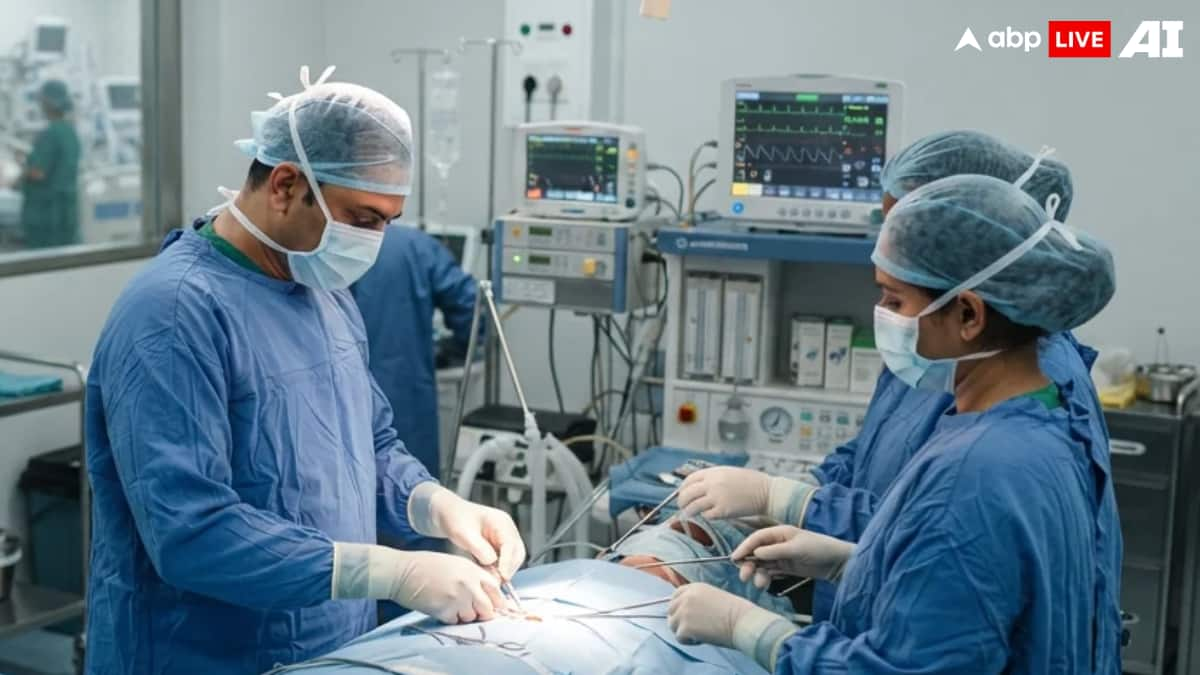
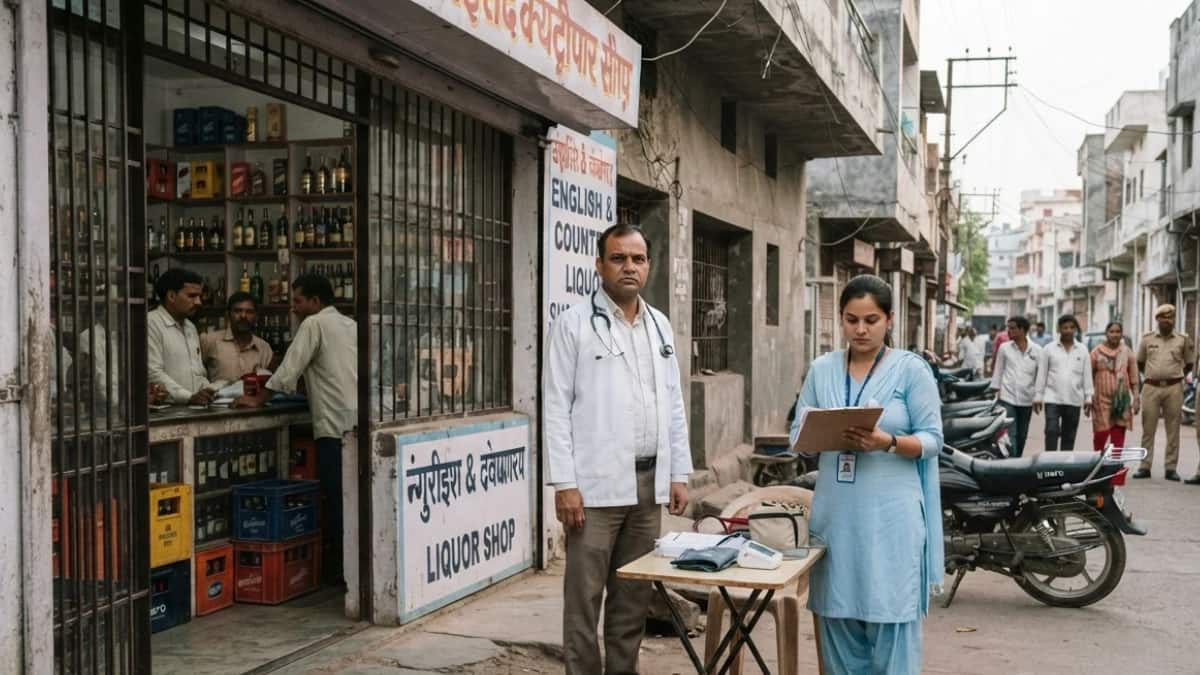
Shahdol district in Madhya Pradesh has reported a significant decline in maternal and infant deaths between January and November this year, with maternal fatalities falling by 52.8% and infant deaths dropping by 35.8% compared to the same period last year. Deputy Chief Minister Rajendra Shukla attributed the improvement to better monitoring of high-risk pregnancies, timely medical intervention and the introduction of an artificial intelligence (AI)-powered calling system called 'Matru Saathi'.
ALSO READ: Bihar Sees Sharp Rise In District Hospital Surgeries, Numbers Jump From 2,428 To 11,643
How AI-Based 'Matru Saathi' Monitors High-Risk Pregnancies
Shukla, who oversees the state's Health and Medical Education departments, said regular monitoring, nutritional counselling, timely referrals and appropriate treatment had played an important role in improving maternal and infant health outcomes.
He also highlighted the role of 'Matru Saathi', an AI-based calling system introduced in Shahdol to keep track of women with high-risk pregnancies and ensure they receive medical attention when needed.
"Reducing maternal and infant mortality and ensuring timely access to quality healthcare for every pregnant woman are among the state government's top priorities. The implementation of AI-based 'Matru Saathi' in Shahdol is a commendable initiative," he said.
The software automatically calls women identified as having high-risk pregnancies to gather updates about their health. If a woman reports a medical complication, the system alerts the concerned block medical officer.
Frontline health workers then follow up with the woman and coordinate medical check-ups, treatment or hospital referrals, depending on her condition.
Matru Saathi Monitors 3,649 Women, Identifies 978 Health Cases
Between November 9 and 25, 'Matru Saathi' monitored 3,649 high-risk pregnant women and flagged 978 health-related cases. Of these, 885 were addressed through treatment and medical management, while action was being taken in the remaining 93 cases.
During the 17-day period, the system made 8,707 call attempts and successfully established contact with 1,669 women.
The initiative has also helped women receive medical care in time. One such case involved 26-year-old Savita Singh Gaur from Beohari, who was diagnosed with sickle cell disease. She was admitted to a medical college, where doctors provided a blood transfusion and other necessary treatment.
Two other pregnant women from Gohparu and Beohari also received blood transfusions. Meanwhile, a woman from Sohagpur was transferred from the district hospital to a medical college, where she delivered safely.
Shukla said identifying high-risk pregnancies early, maintaining regular contact with expectant mothers and ensuring timely referrals and treatment could help bring maternal and infant mortality rates down further.
"Effective use of technology, combined with coordinated efforts by frontline health workers, will help achieve the goal of safe motherhood and healthy childhood," he said.
Shahdol's High-Risk Pregnancy Monitoring Predates AI System
Shahdol had already been tracking high-risk pregnancies through telephone calls before the AI-based platform was introduced.
Between January and November this year, healthcare workers contacted all 10,690 identified high-risk pregnant women. Of these, 8,936 received treatment and medical management.
The 'Matru Saathi' software was developed with financial assistance under a NITI Aayog programme, in collaboration with the Shahdol district administration.
(With inputs from IANS)
This content is published by ABP Live - Health and has not been created or edited by Hello Headlines. View original