What Do Israelis Eat To Live Longer? 5 Food Habits Linked To Healthy Living
Israel is among the countries known for high life expectancy, with people living for an average of around 83 to 84 years. While several factors contribute to longevity, including healthcare facilities, physical activity and daily habits, food choices also play an important role in maintaining overall health.
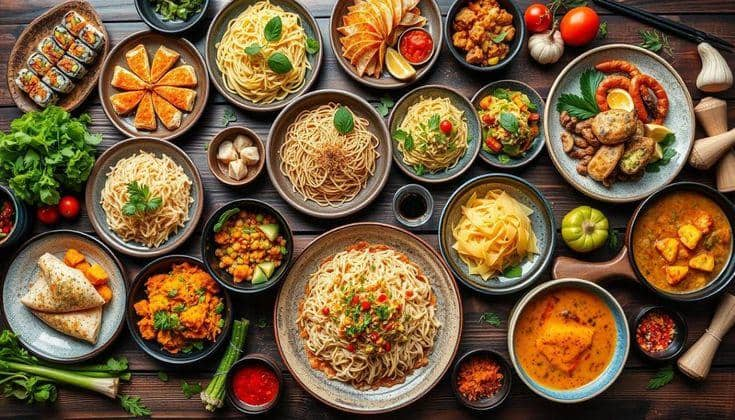
The traditional Israeli diet includes fresh vegetables, fruits, legumes, whole grains and olive oil. Many popular dishes are prepared using nutrient-rich ingredients that provide protein, fibre, vitamins and healthy fats. Here is a closer look at the foods commonly consumed in Israel and how they can support a balanced diet.
Hummus And Falafel
Hummus and falafel are popular foods in Israel. Hummus is prepared using boiled chickpeas, tahini, lemon juice, garlic and olive oil. It is commonly served with bread or salad and provides plant-based protein and fibre.
Falafel is made from chickpeas or other legumes, shaped into small balls or patties and typically fried. Chickpeas provide protein and fibre, which can help support digestion and keep the body feeling full for longer. However, the nutritional value of falafel also depends on how it is prepared.
ALSO READ | Schools Shut In Odisha, Andhra Pradesh As Cyclone Arnab Nears; IMD Warns Of Heavy Rain
Fresh Vegetables And Salads
Fresh vegetables are an important part of many Israeli meals. Cucumbers, tomatoes, onions and other seasonal vegetables are often combined to prepare salads that accompany main dishes.
These vegetables provide essential vitamins, minerals and dietary fibre. Olive oil is also widely used in the cuisine and contains unsaturated fats that can support heart health when consumed in appropriate quantities. Regularly including a variety of vegetables and fruits in meals can help improve overall nutrient intake and support long-term health.
Legumes, Fruits And Whole Grains
Legumes, beans, whole grains and fresh fruits are also part of the traditional Israeli diet. These foods provide fibre and other essential nutrients while helping maintain energy levels and promote fullness.
Whole grains can support digestive health, while beans and other legumes are useful sources of plant-based protein. Fresh fruits provide vitamins, minerals and antioxidants that help the body function properly. Including a variety of these foods in daily meals can contribute to a balanced and nutritious eating pattern.
ALSO READ | ‘Breaking Bad’ To ‘Prison Break’: Stalin, Kanimozhi Slam Vijay Govt After 17 Inmates Escape Theni Jail
Fish, Nuts And Seeds
Fish, nuts and seeds are also consumed by many people in Israel. Fish can provide protein and, depending on the variety, omega-3 fatty acids that support heart health. Nuts and seeds contain healthy fats, protein, fibre and minerals. Consuming them in moderate portions can add nutritional value to a balanced diet. Choosing a variety of protein sources, including fish and plant-based foods, can help meet the body's nutritional needs.
Does Diet Alone Explain Israel's High Life Expectancy?
Although food habits can influence long-term health, diet alone cannot explain why people in a country live longer. Access to healthcare, regular physical activity, sleep, living conditions, genetics and other lifestyle factors can also affect life expectancy.
A diet rich in vegetables, fruits, legumes and whole grains, along with moderate consumption of healthy fats, can support overall well-being. However, no single food or traditional diet guarantees a longer life.
The broader lesson from Israeli food habits is the importance of eating a varied and balanced diet while maintaining healthy daily routines.
This content is published by ABP Live - Lifestyle and has not been created or edited by Hello Headlines. View original