GLP-1 Weight Loss Drugs May Increase Breast Density, Affect Mammogram Results: Study
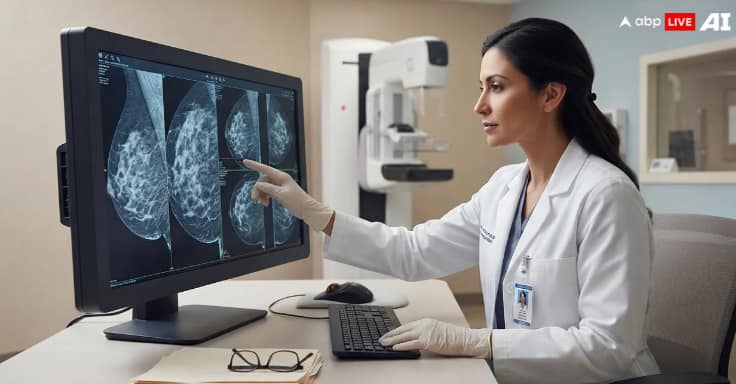
Weight loss medications belonging to the GLP-1 drug category are increasingly being used to manage obesity and support weight reduction. However, new research has highlighted a lesser-known change that women using these medications may experience. Significant weight loss associated with GLP-1 drugs could affect breast density, potentially influencing how breast tissue appears during a mammogram.
The findings suggest that changes in breast composition following weight loss may sometimes lead to additional investigations during routine breast screening. While this does not necessarily indicate a serious health condition, researchers believe it is important for women and healthcare professionals to understand how substantial weight changes can affect mammogram results.
What Did The Study Find About GLP-1 Drugs And Breast Density?
A study examining mammograms of women who had used GLP-1 medications for at least one year found changes in breast density following weight loss.
The research included 107 women who had taken GLP-1 drugs for a minimum of 12 months. Among the 104 women whose reports were analysed, 62.5 per cent experienced an increase in their breast density category. The women had lost an average of approximately 18 kg during this period.
The findings indicate that substantial weight reduction may influence how breast tissue appears on mammograms. However, the results do not establish that GLP-1 medications directly increase breast density. The changes may be associated with the reduction in breast fat that accompanies weight loss.
Why Can Weight Loss Change Breast Density?
Breasts are made up of different types of tissue, including fatty tissue and fibroglandular tissue. The proportion of these tissues determines breast density.
When a woman loses a significant amount of weight, the amount of fat in her breasts may also decrease. As a result, the glandular and connective tissues can make up a larger proportion of the breast, causing it to appear denser on a mammogram.
Breast density is important during screening because fatty tissue generally appears dark on mammogram images, while dense breast tissue appears white. Since some abnormalities can also appear white, higher breast density can make certain changes more difficult to identify.
Consequently, changes in breast composition following substantial weight loss may affect how radiologists interpret mammogram images and determine whether further screening is required.
Why Were Some Women Called Back For Additional Breast Screening?
The study also highlighted how changes in breast density can influence follow-up screening.
Approximately 22.4 per cent of the women included in the study were called back for additional evaluation after their mammograms. Four women underwent biopsies as part of the follow-up process, and all four received normal results.
Being called back after a mammogram does not automatically mean that a woman has breast cancer. Additional imaging or a biopsy may be recommended to investigate an unclear finding and establish what is causing it.
The findings underline the importance of interpreting mammogram results in the context of changes in a woman's body, including significant weight loss.
What Should Women Taking GLP-1 Drugs Keep In Mind?
Women using GLP-1 medications who have experienced considerable weight loss should keep a few points in mind before undergoing breast screening.
- Inform The Screening Team: Tell the radiologist or healthcare professional about GLP-1 medication use and any significant weight changes.
- Carry Previous Mammogram Reports: Earlier images can help doctors compare changes in breast tissue over time.
- Continue Regular Screening: Do not postpone routine mammograms because of weight loss or medication use.
- Follow Medical Recommendations: If additional imaging or testing is advised, discuss the next steps with your doctor.
- Do Not Stop Medication Independently: Any decision to change or discontinue GLP-1 treatment should be made in consultation with the prescribing doctor.
ALSO READ: What Is Cutis Laxa? Know The Rare Skin Disorder That Causes Premature Ageing
Does Increased Breast Density Mean A Higher Risk Of Cancer?
An increase in breast density on a mammogram does not mean that a woman has breast cancer. It is a characteristic of breast tissue that can influence how effectively certain abnormalities are detected during screening.
Dense breast tissue can make mammograms more challenging to interpret because both dense tissue and some suspicious abnormalities appear white on the images. Depending on individual circumstances, doctors may recommend additional imaging to examine an area more closely.
Therefore, women who notice changes in their mammogram reports after significant weight loss should not panic. Instead, they should discuss the findings with their healthcare provider and follow the recommended screening process.
[Disclaimer: This article is intended for informational purposes only and is based on available research and medical information. It should not be considered a substitute for professional medical advice, diagnosis or treatment. Consult a qualified healthcare professional for concerns related to your health.]
This content is published by ABP Live - Health and has not been created or edited by Hello Headlines. View original