Black Spots On Your Bathroom Ceiling? 5 Ways To Remove Mould This Winter
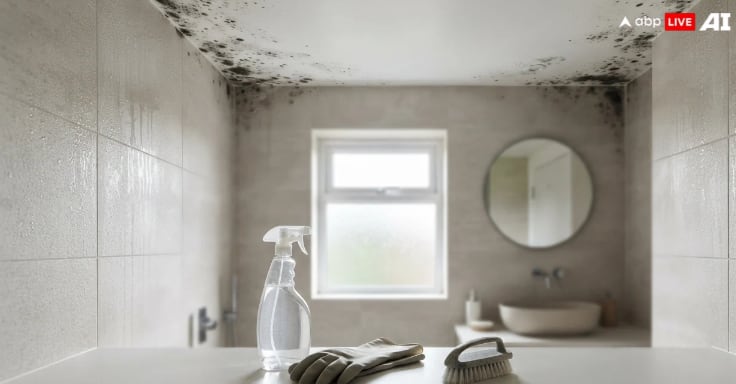
Black spots appearing on your bathroom ceiling can be more than just a cleaning issue. These dark patches may indicate mould growth, a common problem during winter when bathrooms tend to remain damp for longer. Hot showers, steam and poor ventilation can create the perfect conditions for mould to develop on ceilings and walls.
During winter, people often use hot water for bathing, which increases moisture levels inside bathrooms. When this moisture settles on ceilings and walls and does not dry properly, it can encourage mould growth. The good news is that a few simple cleaning methods and preventive measures can help tackle the problem and keep your bathroom cleaner.
Why Do Black Spots Appear On Bathroom Ceilings?
Moisture and warmth are among the primary reasons behind mould growth in bathrooms. Hot showers release steam, which settles on cooler surfaces, including ceilings and walls. Water splashes and prolonged dampness can further contribute to the problem.
Poor ventilation makes the situation worse. When humid air cannot escape, moisture remains trapped inside the bathroom for longer, creating favourable conditions for mould to grow. This is why black patches may become more noticeable during winter.
ALSO READ | Budget Traveller | 5 Beautiful Road Trips In India Worth Exploring Under Rs 25,000
5 Ways To Remove Black Mould From Your Bathroom Ceiling
1. Use White Vinegar To Clean Mould
White vinegar can be used to treat mould on suitable bathroom surfaces. Pour undiluted white vinegar into a spray bottle and apply it directly to the affected area. Allow it to sit for around an hour before cleaning the surface with an appropriate brush.
Once the visible patches have been removed, wipe the area with a clean, dry cloth. Avoid aggressive scrubbing, particularly on damaged or porous ceilings, as it can spread mould particles into the air.
2. Wear Protective Gear While Cleaning
Cleaning mould requires some precautions, especially when dealing with patches on the ceiling. Scrubbing can release mould particles into the air, so wearing a protective mask, rubber gloves and safety goggles is advisable.
Use a stable ladder if you need to reach the ceiling, and make sure it is placed securely. Avoid reusing cleaning brushes and cloths that have come into contact with mould without properly disposing of or cleaning them.
ALSO READ | Visiting Madurai? Know Thiruparankundram Temple's History, Darshan Timings And How To Reach
3. Keep Your Bathroom Well-Ventilated
One of the simplest ways to prevent mould is to reduce moisture inside the bathroom. After taking a hot shower, open the bathroom window for some time to allow steam and humid air to escape.
If your bathroom does not have a window, use an exhaust fan. Keeping it switched on during and after bathing can help remove excess moisture and prevent dampness from lingering on the ceiling and walls.
4. Check Whether Your Exhaust Fan Is Working Properly
Installing an exhaust fan is not enough if it is not functioning efficiently. Dust and dirt can accumulate inside the fan over time, affecting airflow and reducing its ability to remove humid air.
Clean the exhaust fan regularly and get it repaired if it is not working properly. If black mould keeps returning despite regular cleaning, it could indicate that your bathroom's ventilation system is not removing moisture effectively.
5. Avoid Relying On Bleach And Hydrogen Peroxide For Every Surface
Bleach and hydrogen peroxide are commonly used for mould removal, but they may not work equally well on every surface. Their effectiveness can vary depending on the material being cleaned.
Non-porous surfaces, such as tiles, are generally easier to clean than porous materials such as drywall. Mould can penetrate porous materials, making it difficult to remove completely through surface cleaning alone.
How To Prevent Mould From Returning After Cleaning?
Removing visible mould is only part of the solution. Preventing excess moisture from accumulating is equally important if you want to keep your bathroom ceiling free from black patches.
Make it a habit to open the bathroom window or switch on the exhaust fan after every hot shower. Allow the room to dry properly instead of keeping it closed while steam remains inside.
Regularly inspect the ceiling and bathroom walls for signs of dampness or recurring black patches. If mould continues to return, spreads over a large area or is associated with water leakage, consider getting the underlying moisture problem assessed by a professional.
With proper ventilation, regular maintenance and timely cleaning, you can reduce the chances of mould developing on your bathroom ceiling, even during the colder months.
This content is published by ABP Live - Lifestyle and has not been created or edited by Hello Headlines. View original