Diwali 2026: 10 Unique Rituals Across India That Reflect The Country’s Cultural Diversity
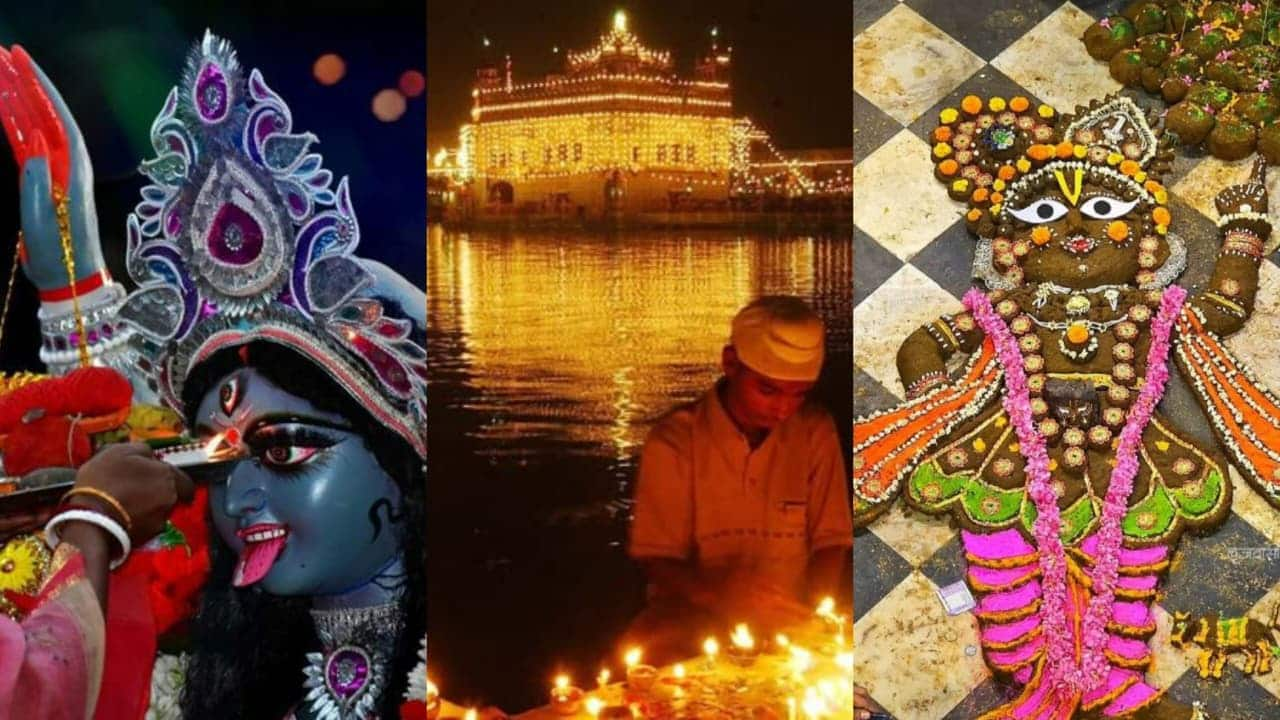
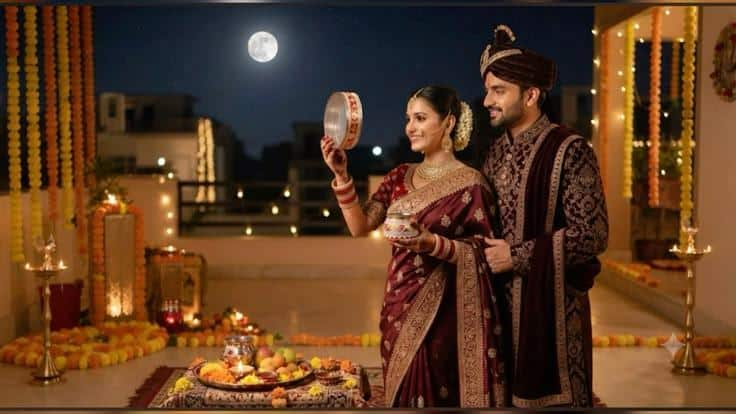
Diwali, the festival of lights, is celebrated across India with illuminated homes, traditional diyas, sweets, prayers and family gatherings. However, the significance of the festival and the rituals associated with it differ from one region to another, reflecting the country's rich cultural and religious diversity.
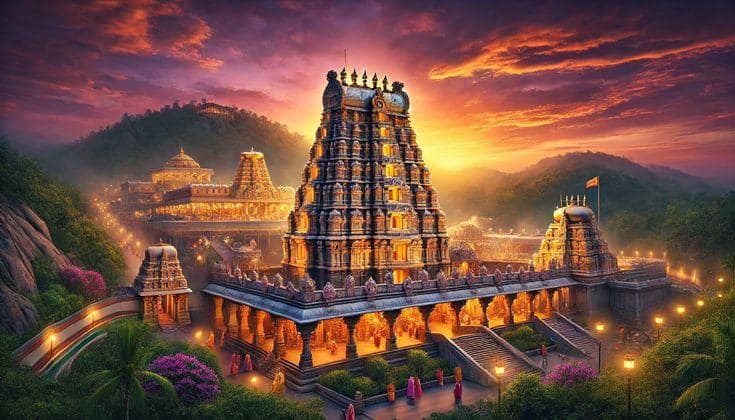
In North India, Diwali is associated with the return of Lord Rama, Goddess Sita and Lakshman to Ayodhya after 14 years of exile. In southern India, the festival is linked to Lord Krishna's victory over the demon Narakasura. Several communities also observe distinctive traditions to honour deities, remember ancestors and pray for prosperity and well-being.
From worshipping Goddess Kali in eastern India to burning Narakasura effigies in Goa, here are 10 unique Diwali rituals followed in different parts of the country.
1. Punjab: Celebrating Bandi Chhor Divas
In Punjab, the Sikh community celebrates Diwali alongside Bandi Chhor Divas, which commemorates the release of the sixth Sikh Guru, Guru Hargobind Sahib, from imprisonment at Gwalior Fort.
The occasion is marked by lighting diyas, decorating gurdwaras, offering prayers and sharing festive meals. Homes are illuminated, families exchange gifts and devotees gather at gurdwaras to celebrate the occasion.
The Golden Temple in Amritsar is particularly known for its spectacular illumination during the festival.
ALSO READ | Budget Traveller | Japan’s Skeleton Flowers: 5 Scenic Destinations To Explore Under Rs 1.5 Lakh
2. West Bengal And Odisha: Worshipping Goddess Kali
In West Bengal and parts of eastern India, Diwali coincides with Kali Puja, also known as Shyama Puja. While Goddess Lakshmi is worshipped in many other parts of the country, devotees here offer prayers to Goddess Kali on the new moon night of the Hindu month of Kartik.
Temples and pandals are decorated, and devotees perform special pujas seeking the goddess's blessings. Kali Puja holds considerable religious and cultural significance in Bengal, where it is among the most prominent festivals after Durga Puja.
3. Gujarat: Unique Firecracker Rituals
Gujarat is known for several distinctive Diwali customs. In Vejalpur village in the Panchmahal region, a traditional ritual involves people throwing lit firecrackers at one another.
Another local practice involves keeping a ghee diya burning throughout the night. The soot collected from the lamp the following morning is traditionally used to prepare kajal, which is believed to bring prosperity.
Some indigenous communities in the Narmada and Bharuch regions also observe extended Diwali celebrations, with customs linked to health and well-being.
4. Madhya Pradesh: The Unusual Govardhan Puja Tradition
In Bidawad village in Madhya Pradesh's Ujjain district, Govardhan Puja is associated with a distinctive local ritual involving cattle.
According to local tradition, villagers decorate cows with flowers and allow the animals to walk over them. The practice is connected with religious beliefs and is performed by participants seeking divine blessings.
Govardhan Puja is generally observed after Diwali and is associated with Lord Krishna, who is worshipped for protecting cattle and sustaining life through nature's resources.
ALSO READ | Budget Traveller | 13 Indian Destinations That Hold World Records And Their Average Trip Costs
5. Himachal Pradesh: Pathar Ka Mela
Pathar Ka Mela, observed in Dhami near Shimla in Himachal Pradesh, is one of the region's unusual post-Diwali traditions.
The ritual involves two groups of people throwing stones at each other. According to local belief, being struck during the ceremony is considered auspicious.
The tradition is also associated with Goddess Kali, with local accounts describing the use of blood from participants' injuries as a tilak for the goddess's idol. The practice is traditionally believed to have developed as an alternative to human sacrifice.
6. Chhattisgarh: Diyari And The Marriage Of Crops
In the Bastar region of Chhattisgarh, indigenous communities celebrate Diwali as Diyari, a festival that can continue for three days.
One of the distinctive customs involves symbolically marrying crops to an idol of Lord Narayana in agricultural fields. People also decorate cattle with flowers, beat traditional drums and perform rituals associated with farming and livestock.
Crops are worshipped as a representation of Goddess Lakshmi and agricultural prosperity. These customs reflect the close relationship between rural livelihoods, nature and religious beliefs.
The Sindhi community also observes Diyari through its own traditions, including worshipping Goddess Lakshmi and ritually cleaning gold and silver coins with raw milk.
7. Odisha: Honouring Ancestors Through Kauriya Kathi
In Odisha, Kauriya Kathi is a traditional Diwali ritual performed to honour ancestors and seek their blessings.
People burn jute sticks and use the flames as a symbolic signal to invite their forefathers. The practice reflects the belief that remembering ancestors and seeking their blessings are important parts of spiritual and family life.
Unlike celebrations centred primarily on lights, sweets and deity worship, this ritual gives Diwali a special connection with ancestral traditions.
8. Maharashtra: Lighting Diyas For Lord Yama
In Maharashtra, Dhanteras is associated with Yamadeepdaan, a ritual in which lamps are lit in honour of Lord Yama, the Hindu god of death.
According to a popular legend, a young prince was destined to die on the fourth day of his marriage. His wife lit lamps and prayed throughout the night to prevent his death. Moved by her devotion, Lord Yama spared the prince's life.
The ritual is traditionally associated with prayers for longevity and protection from untimely death.
Some communities in Maharashtra also follow distinctive customs involving traditional lamps, grains and folk dances during the festive period.
9. Goa: Burning Narakasura Effigies
In Goa, Diwali celebrations prominently feature Narakasura Chaturdashi, which commemorates Lord Krishna's victory over the demon Narakasura.
People prepare large effigies of the demon using materials such as paper, cloth and other decorative items. These are often filled with firecrackers, paraded through the streets and burnt before sunrise on Naraka Chaturdashi.
The ritual symbolises the destruction of evil and the triumph of good. It is one of Goa's most recognisable Diwali traditions, with communities participating in the preparation and display of the effigies.
10. Karnataka: Oil Baths And Balipadyami
In Karnataka, Diwali is associated with traditions commemorating Lord Krishna's victory over Narakasura. Many families observe the practice of taking an oil bath before sunrise on the first day of the festival, symbolising purification and the removal of negativity.
In coastal Karnataka, Balipadyami is another important observance associated with King Bali. Farmers offer food around their paddy fields as part of customs linked to agriculture and prosperity.
Some communities also associate Balipadyami with traditional games and gambling, reflecting regional interpretations of the festival.
Diwali Reflects India's Unity In Diversity
Diwali is much more than a festival of lights. Across India, it brings together a wide range of religious beliefs, local customs and cultural traditions that have been preserved across generations.
From Bandi Chhor Divas in Punjab and Kali Puja in West Bengal to ancestral rituals in Odisha and Narakasura effigies in Goa, every region adds its own character to the celebrations.
These diverse practices highlight the festival's enduring significance and demonstrate how Diwali unites communities through shared themes of faith, prosperity and the triumph of good over evil.
This content is published by ABP Live - Lifestyle and has not been created or edited by Hello Headlines. View original