UP MLC Polls: BJP’s Brahmin, Vaishya Candidates vs SP’s Yadav-Kurmi-Kayastha Mix
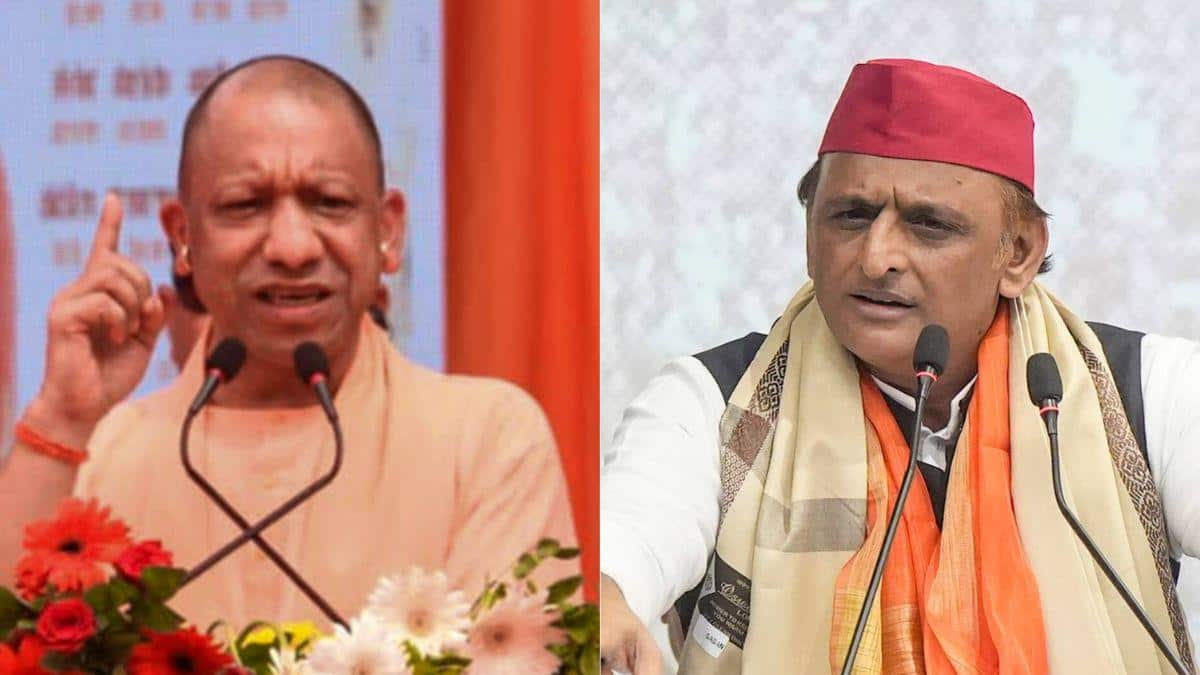
The results of the Uttar Pradesh Legislative Council elections have brought the caste composition of candidates fielded by the Bharatiya Janata Party (BJP) and the Samajwadi Party (SP) into focus, as the parties compete for influence ahead of the 2027 Assembly elections.
According to the caste breakdown provided for the candidates, the BJP’s six nominees include three Brahmins, one Vaishya, one Rajput and one Sikh. The SP’s five candidates comprise two Yadavs, one Vaishya, one Kayastha and one Kurmi.
The figures describe the social backgrounds attributed to the candidates, rather than the caste composition of the electorate or the voting preferences of any community. The election covers 11 Legislative Council seats, comprising five graduates’ and six teachers’ constituencies.
BJP’s Candidate Profile Includes Three Brahmins
The BJP’s candidates in the list include Umesh Dwivedi from the Lucknow teachers’ constituency, Shrichand Sharma from the Meerut teachers’ seat and Dhruv Kumar Tripathi from the Gorakhpur-Faizabad teachers’ constituency. All three are identified as Brahmins in the supplied caste breakdown.
Dinesh Goyal, the BJP candidate from the Meerut graduates’ constituency, is identified as a Vaishya, while Manvendra Pratap Singh from the Agra graduates’ constituency is listed as a Rajput. Hari Singh Dhillon, who contested the Bareilly-Moradabad teachers’ seat, is identified as a Sikh.
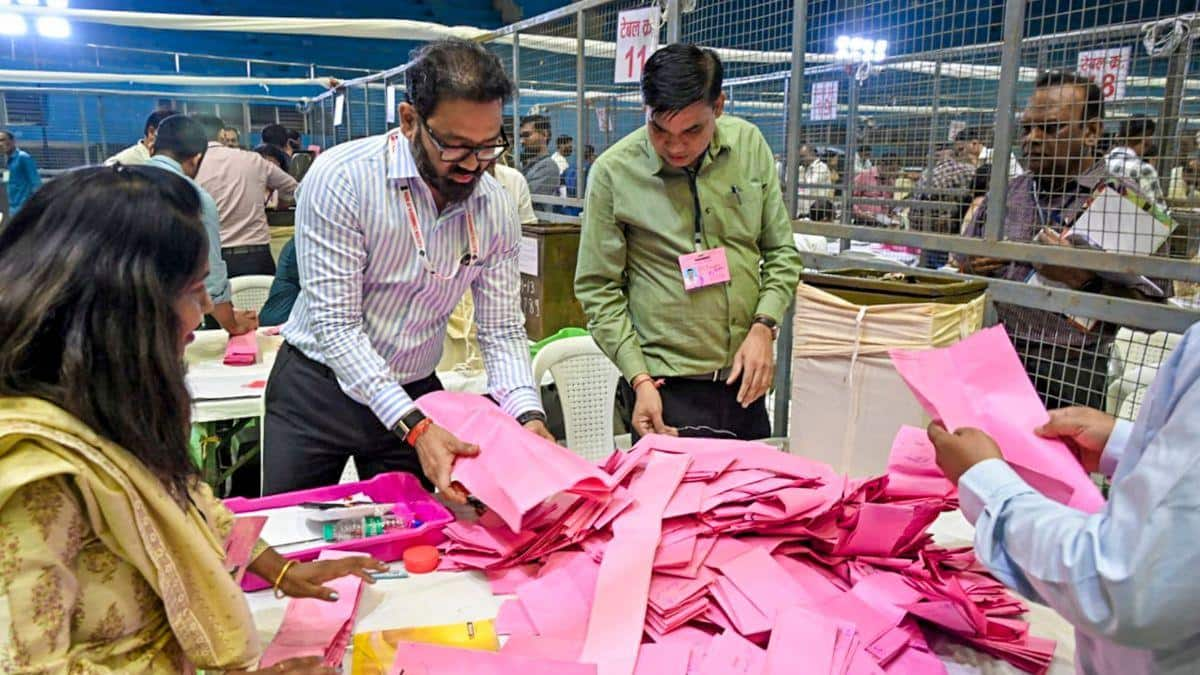
The BJP has secured victories in the Lucknow teachers’, Bareilly-Moradabad teachers’, Meerut graduates’ and Meerut teachers’ constituencies, according to the latest results available in the supplied election update. Counting in the other constituencies has continued.
SP’s Candidates Include Two Yadavs
The SP’s candidate profile includes two Yadavs, Lal Bihari Yadav from the Varanasi teachers’ constituency and Man Singh Yadav from the Allahabad-Jhansi graduates’ seat. Lal Bihari Yadav has retained the Varanasi teachers’ seat, while Man Singh Yadav was reported to be leading in the supplied counting update.
The party’s other candidates in the list are Akash Agarwal from the Agra teachers’ constituency, identified as a Vaishya; Kanti Singh from the Lucknow graduates’ constituency, identified as a Kurmi; and Ashutosh Sinha from the Varanasi graduates’ constituency, identified as a Kayastha.
The SP has won the Varanasi teachers’ seat, while its candidate Akash Agarwal was reported to have won the Agra teachers’ constituency in subsequent results coverage.
Results And Caste Arithmetic Are Different Measures
The candidate-wise caste breakdown offers a snapshot of the social representation within the two parties’ lists. The BJP’s nominees include three candidates identified as Brahmins, while the SP has two candidates identified as Yadavs. Both parties have also fielded Vaishya candidates.
However, the caste profile of candidates alone does not establish how voters from those communities voted or whether caste was the decisive factor in a constituency. The election results reflect votes cast by eligible graduate and teacher voters in their respective constituencies.
The 11-seat contest is being closely watched ahead of the 2027 Uttar Pradesh Assembly elections. The declared victories and remaining results will determine the parties’ gains in the Legislative Council, while broader conclusions about caste-based voting would require constituency-level evidence beyond the candidates’ social backgrounds.
This content is published by ABP Live - Elections and has not been created or edited by Hello Headlines. View original