Maternal feeding practices linked to food neophobia among young children: NIN study
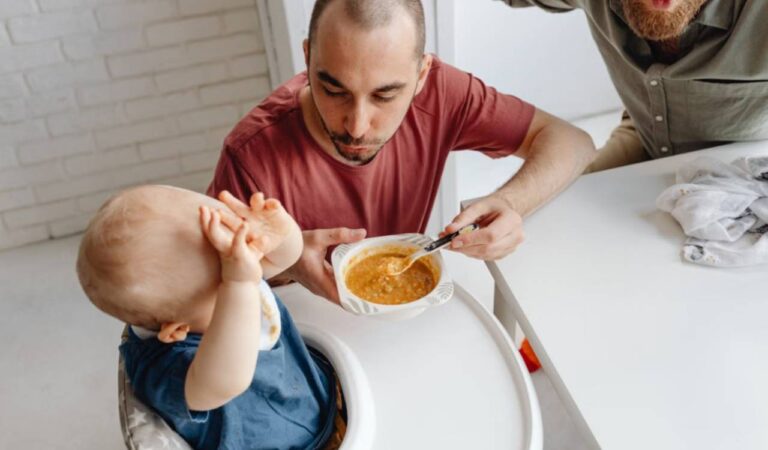
Hyderabad: A recent study by researchers at the Hyderabad-based National Institute of Nutrition (ICMR-NIN) has revealed a strong link between maternal knowledge, attitudes, and feeding practices (KAP) and food neophobia, defined as the reluctance to try unfamiliar foods among young children.
Published in the Journal of Nutritional Science, the cross-sectional study titled “Food neophobia and its determinants among children aged 2-7 years” examined 150 mother-child pairs from an urban low-income community in Addagutta, Hyderabad, between August and October 2025.
Using the Child Food Neophobia Scale and WHO anthropometric standards, the findings showed that nearly 77 percent of the children exhibited moderate food neophobia, while 11.3 percent displayed high levels and 12 percent had low levels.
While boys recorded higher average neophobia scores than girls, the variation across categories was not statistically significant. However, a notable link emerged with nutritional status. Children suffering from wasting exhibited higher food neophobia scores than their non-wasted peers.
Children whose mothers had moderate KAP scores demonstrated lower food neophobia scores than those whose mothers scored lower, underscoring the influence of parental feeding behaviours, a NIN press release said.
Lead researcher Dr. Karthikeyan Ramanujam, Scientist-C at ICMR-NIN, said that early childhood programs should focus on positive mealtime experiences, repeatedly offering diverse foods without pressure, and supporting caregivers during food refusals.
Dr. Bharati Kulkarni, Director of ICMR-NIN, said the study’s findings offer an opportunity to strengthen behavioural feeding counselling through existing platforms like the Integrated Child Development Services (ICDS) and POSHAN Abhiyaan.
This content is published by Telangana Today and has not been created or edited by Hello Headlines. View original