Pet First | Can Cats Get Cancer? Know The Common Types, Warning Signs And Treatment Options
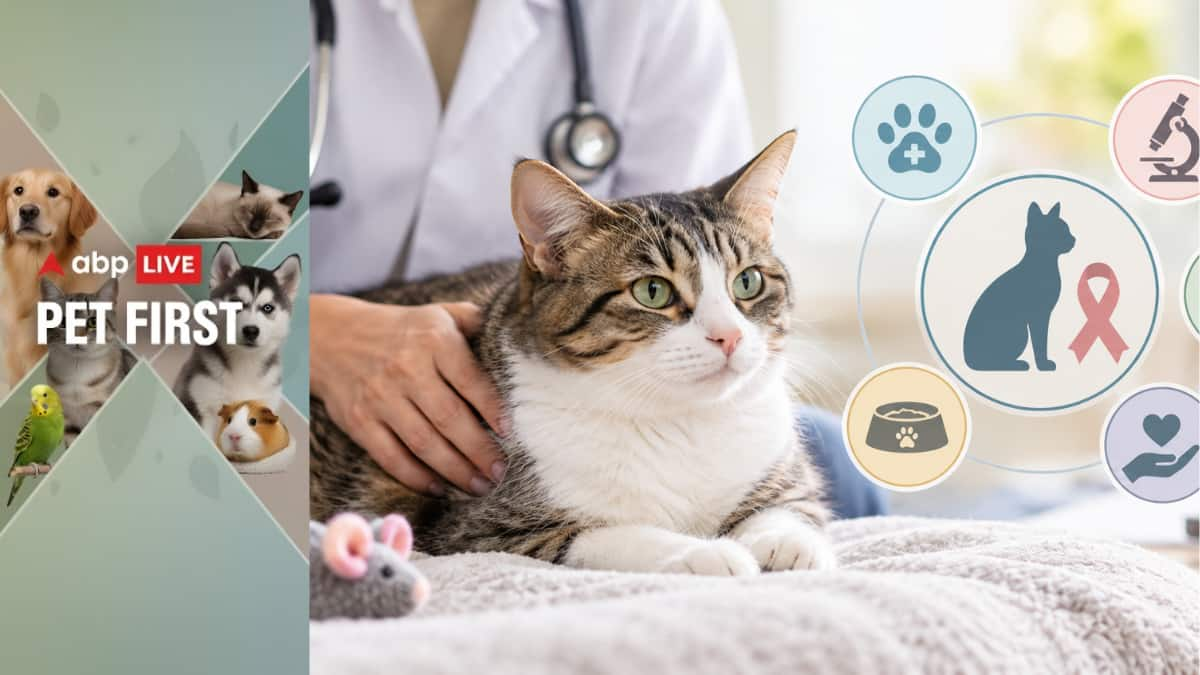
Cancer can affect cats at any age, but the risk generally increases as they grow older. Some cases begin with subtle changes, such as reduced appetite, unexplained weight loss, or a lump that was not there before. While these signs do not automatically mean cancer, persistent changes should not be ignored. Understanding the possible causes, recognising symptoms early and knowing what veterinary care involves can help pet parents make informed decisions. From lymphoma to oral cancer, feline cancers vary widely, and treatment depends on the type and stage of the disease, as well as the cat’s overall health.
What Causes Cancer In Cats?
Cancer develops when cells multiply uncontrollably, sometimes forming a mass called a tumour. These tumours can be benign or malignant. Benign tumours generally remain in one place and do not invade nearby tissues, while malignant tumours can damage surrounding tissue and spread to other parts of the body. This spread is known as metastasis.
The exact cause of cancer in many cats remains unknown. Genetics and environmental exposure may contribute, while certain infections are known risk factors. Feline leukaemia virus (FeLV) can cause lymphoma and leukaemia, and feline immunodeficiency virus (FIV) is associated with an increased risk of cancer. White cats are also more prone to squamous cell carcinoma, particularly on their ears and faces.
ALSO READ | Pet First | Hip Dysplasia In Cats: Early Symptoms, Causes And Prevention Tips
According to the Veterinary Information Network, studies have found that vaccine-associated fibrosarcoma is rare, occurring in approximately one in 1,000 to one in 10,000 vaccinations. Vaccination remains important for protecting cats against serious infectious diseases.
Warning Signs And Common Types Of Cat Cancer
Cancer symptoms can vary depending on the affected part of the body. Pet parents should watch for:
-
Unexplained weight loss or poor appetite
-
New lumps or unusual swelling
-
Sores that do not heal
-
Persistent vomiting or diarrhoea
-
Difficulty breathing or unusual snorting
-
Bad breath, drooling or mouth discomfort
-
Pale gums or yellowing of the skin
-
Enlarged lymph nodes
-
Unusual tiredness, hiding or behavioural changes
-
Limping, pain or general discomfort
These symptoms can also occur with other illnesses. However, if a change persists for several days, worsens or appears alongside other symptoms, arrange a veterinary examination. Older cats have a higher risk of cancer, making regular health checks particularly important.
ALSO READ | Pet First | How To Tell If Your Dog Has An Ear Infection: 5 Signs To Look For
Common Types Of Cancer
Several cancers can affect cats, with some of the most common involving the skin, blood cells, mouth, digestive tract and mammary glands.
-
Lymphoma: This cancer affects lymphocytes, a type of white blood cell, and lymphatic tissue. Possible signs include enlarged lymph nodes, weight loss, vomiting and diarrhoea. Cats infected with FeLV or FIV face a higher risk.
-
Oral Squamous Cell Carcinoma: This cancer affects cells lining the mouth and can be difficult to treat.
-
Skin Cancer: Certain skin cancers, including squamous cell carcinoma, are more likely in white cats, particularly on areas exposed to sunlight, such as the ears and face.
The type of cancer and how far it has progressed influence the treatment plan and the likely outcome.
Diagnosis, Treatment And Caring For A Cat With Cancer
A veterinarian may begin with a physical examination and blood tests to assess blood cells and organ function. X-rays and ultrasound can help identify tumours, while CT or MRI scans may be needed for cancers in difficult-to-examine areas.
A sample of the suspected tumour may be collected using a fine needle or surgical biopsy. Laboratory examination helps identify the cancer type. Further tests can determine whether it has spread and help establish its stage.
What Treatment Options Are Available?
Treatment depends on the cancer, its location and stage, and the cat’s overall condition. A veterinary oncologist may help assess the available options.
-
Surgery: Removes the tumour when possible. In some cases, removing as much of the growth as possible can help relieve symptoms even if complete removal is not possible.
-
Chemotherapy: Uses medicines to destroy cancer cells. Possible side effects include nausea, vomiting, diarrhoea and reduced blood cell production.
-
Radiation Therapy: Uses targeted radiation to damage cancer cells. Treatment may require anaesthesia and can cause skin irritation or hair loss.
-
Palliative Or Hospice Care: Focuses on managing symptoms, relieving pain and maintaining comfort when aggressive treatment is unsuitable or is not the chosen approach.
Supporting Your Cat At Home
Keep a record of your cat’s appetite, weight, behaviour, symptoms, medicines and treatment side effects. Share these observations with your veterinarian, as they can help identify changes in the cat’s condition.
If your cat is eating less, ask the vet about suitable ways to encourage food intake or manage nausea. Pain relief and other supportive medicines may also be recommended.
In advanced cases, pet parents may need to consider their cat’s quality of life. Look at whether the animal is eating, moving comfortably and enjoying familiar activities, and whether good days outnumber difficult ones. Discuss concerns with your veterinarian, including when euthanasia may be the kindest option.
Cancer does not always cause obvious symptoms at first, and many warning signs can indicate other illnesses. If your cat develops persistent changes or an unexplained lump, seek veterinary advice rather than trying to diagnose the problem at home. Early assessment can help you understand the condition and make informed decisions about your pet’s care.
This content is published by ABP Live - Lifestyle and has not been created or edited by Hello Headlines. View original