Omio founder’s advice to entrepreneurs: Find a problem worth solving and stick with it
AI has made it easier to build products, but entrepreneurs still need to decide what to build and whether they can stay committed long enough to turn an idea into a sustainable business.
For Naren Shaam, Founder and CEO of OmioOmio Group, the answer is to solve difficult problems, stay focused, and avoid chasing the next big thing.
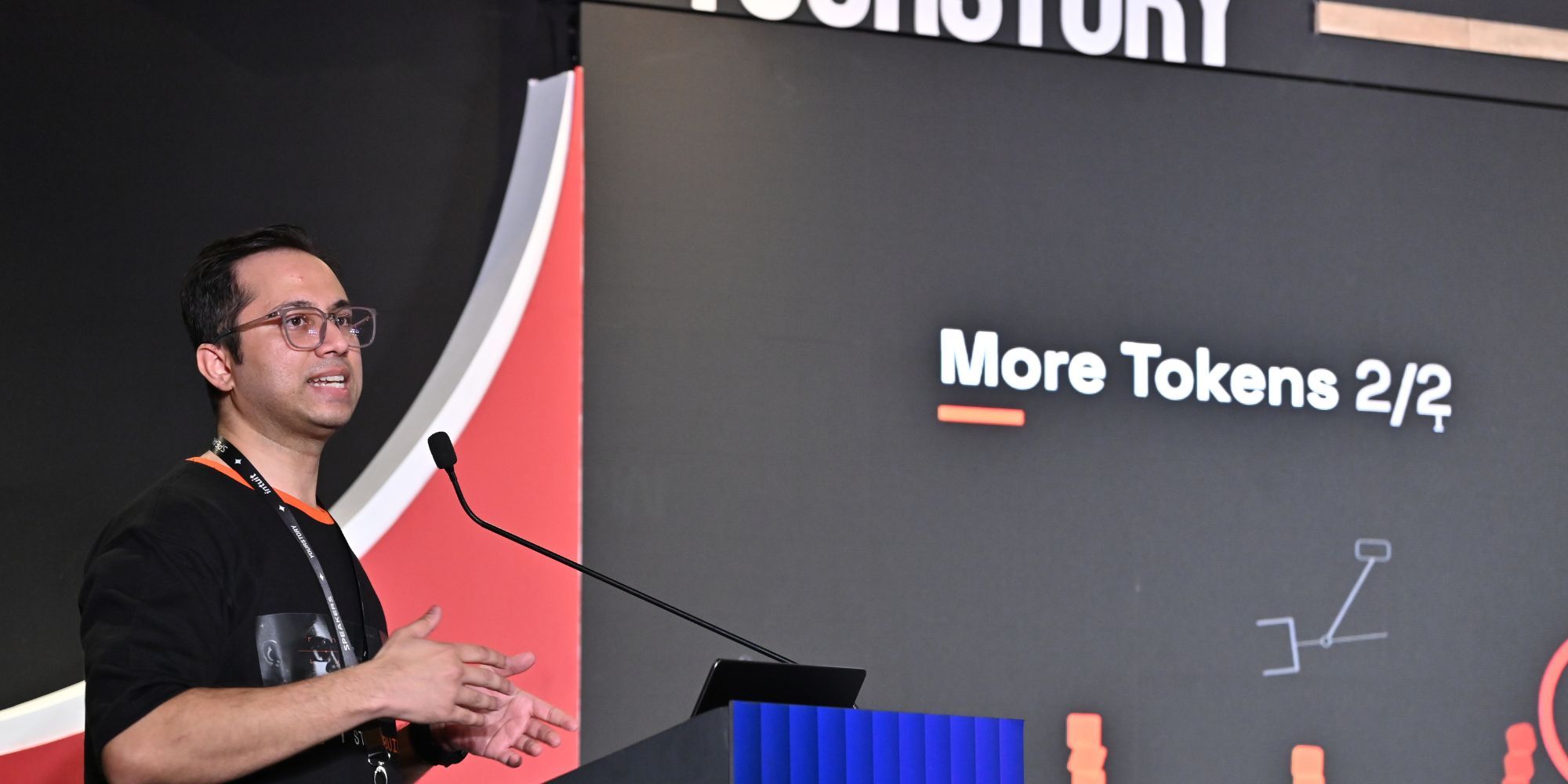
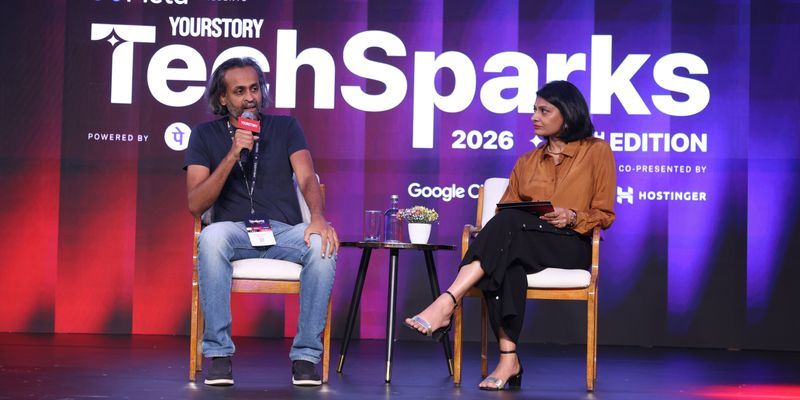
Speaking at TechSparks 2026, Shaam spoke about building Omio, which operates across 56 countries, and why Indian entrepreneurs should think globally from the beginning.
“If I were to rebuild Omio today, I would start here because there is so much growth and opportunity in India today. But the principles remain the same. You need to go after really hard problems and focus on solving them for a very long time,” he told YourStory.
Shaam founded Omio after identifying a problem in global transportation: operators had separate systems for trains, buses, and ferries. After moving to Germany, he spent two and a half years working on the supply side before launching the company's first product.
“Building a billion-dollar business is really hard. The stories of companies going from zero to a billion dollars very quickly are rare. Don’t get inspired by the exceptions as for most, it is a daily grind,” he said.
Also Read Google Cloud’s Gemini voice AI wants to do more than just talk
Think global from day one
Shaam believes entrepreneurs need not wait until they have succeeded in India before expanding overseas. While some businesses cater to local needs, sectors such as education, healthcare, and deeptech offer opportunities across markets.
“If your problem statement is already global, you should start early. We entered 30 countries in our first three or four years, even though people told us to win Germany first. That bet, despite the capital required and the mistakes we had to correct, probably helped make us become the company we are today,” he said.
AI has also made international expansion easier. Shaam recalled that when Omio expanded in Germany, it employed around 30 people to handle translations. That work is now done by AI.
However, lower barriers to entry also make it easier for competitors to copy products. Shaam believes entrepreneurs must therefore be more careful about where they invest their time and resources.
“The onus moves from bias to action to judgement: what should I focus on? Which industry has a bigger moat? What will that moat look like 10 years from now? Starting is easy now but choosing what to pursue and committing to it is the hard part,” he said.
Also Read Swiggy’s Q2: Net loss drops nearly 16%, revenue rises 36%; What sells? The celebrity or the product?
AI may change distribution, but trust remains important
Shaam said AI agents could change digital commerce, including how people book travel. However, widespread adoption will depend on bringing down costs and finding sustainable business models.
“Consumers need these agents to be very cheap before they penetrate the market. There is a cost barrier and a business-model problem to solve. I see this as a major transformation and not an overnight event,” he explained.
Even as more transactions move to AI agents, Shaam believes businesses will still need to deliver reliable services in the physical world.
“Real life happens outside the internet. If an agent buys something or orders food, people need to trust that it will arrive every single time. Businesses that can solve these operational problems at scale will have something valuable to build on,” he said.
For aspiring founders, his advice was to focus on solving a problem rather than on the appeal of becoming an entrepreneur.
“Find a great problem. Don’t become an entrepreneur simply because you want to be one. This is a journey with long periods of darkness, and you need to be passionate enough about what you’re solving to keep going,” Shaam concluded.
This content is published by YourStory and has not been created or edited by Hello Headlines. View original