Code is no longer scarce: Hostinger’s Auksė Žirgulė on what founders should build instead
A founder in Srinagar recently built a website and an application on Hostinger in very little time. When building software takes that little effort, the question for every business shifts from whether it can build to why anyone would choose what it builds.
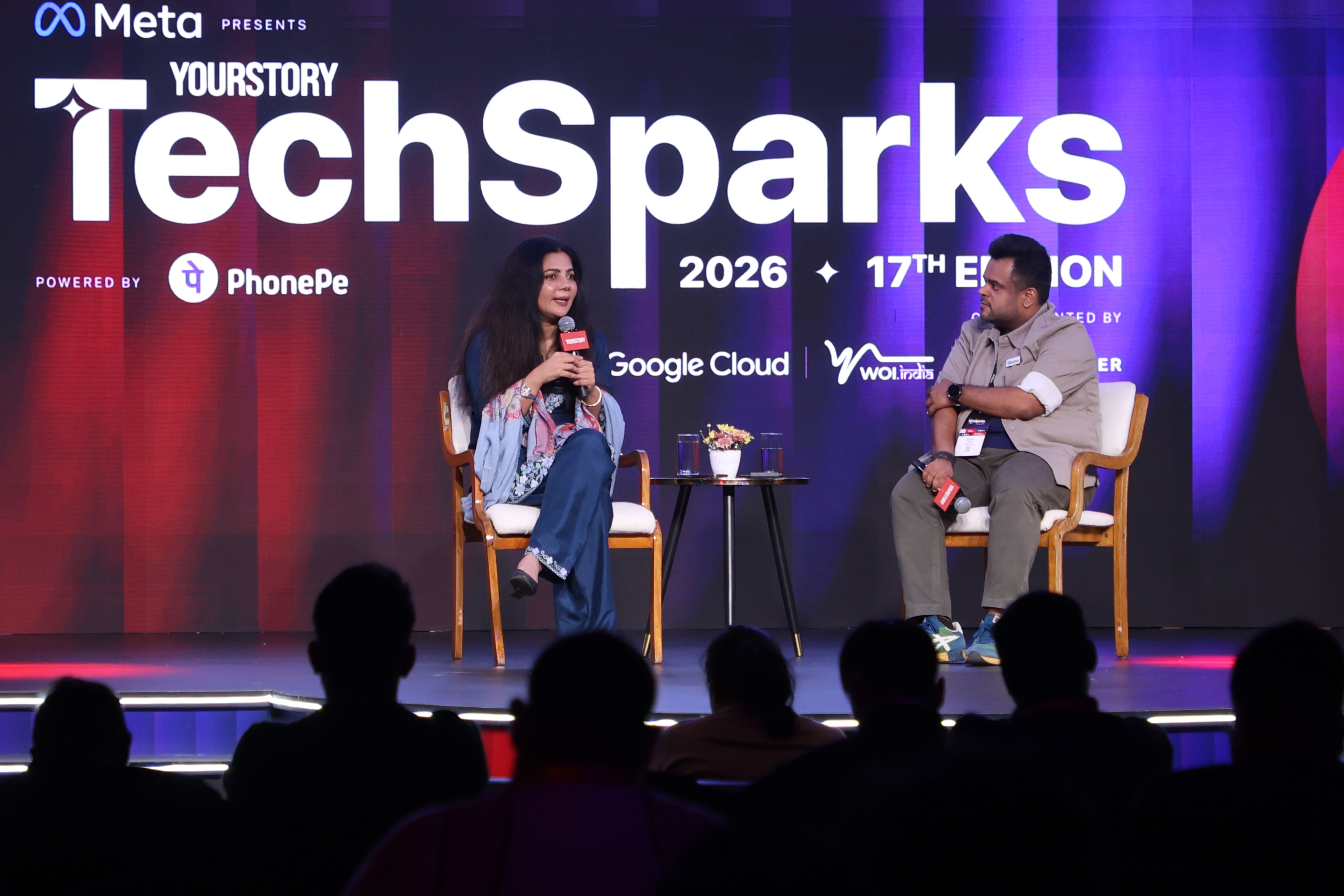
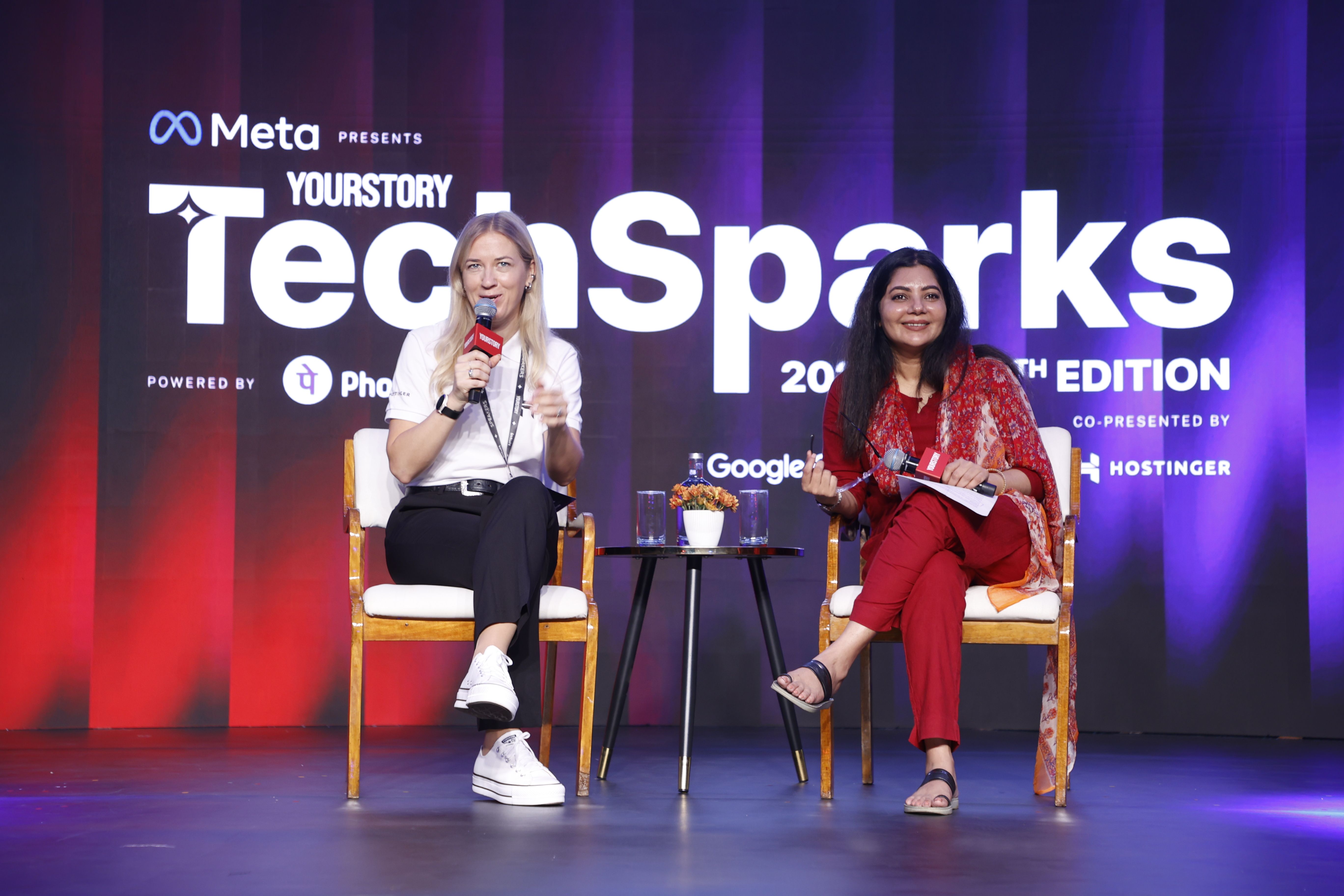
That shift was the subject of a fireside chat at TechSparks 2026 in Bengaluru, YourStory’s flagship event. Auksė Žirgulė, VP of Product at Hostinger, spoke to Shradha Sharma, Founder and CEO of YourStory and The Bharat Project, about what happens when every business can build its own software.
From building to running a business
Žirgulė began with how the questions customers bring to Hostinger have changed. Publishing a website was once a hard task for non-technical people, and the company’s vision has been to help everyone succeed online. Now that AI has removed much of that barrier, founders are no longer asking how to build. They are asking how to attract clients, drive revenue and run the business.
Fragmentation is part of the problem. A new founder may buy a domain on one platform, set up email on another, and run campaigns on a third, ending up with five subscriptions and five logins. When something breaks, the founder turns into a technician or integration specialist. Hostinger’s answer is to take care of the full flow and to bring AI agents into it.
Where the advantage lies
If code is no longer scarce, the edge moves to understanding the customer. Founders need to know exactly which problem they are solving and test the product as early as possible. Innovation, Žirgulė argued, does not mean inventing something new. Apple did not invent the mobile phone or the touch screen, yet the iPhone won by delivering the best customer experience.
She also drew on the book ‘Monetizing Innovation’ to make a point many builders forget in their rush to test: a great product does not always make a great business. Thinking about how a product will reach the market has to start early.
That is why she calls customer obsession the thing that should not change. “Customer obsession is the foundation, and I know that now AI is everywhere, but this is the part we need to keep,” she said. She does not mean a survey sent by AI over email, but honest conversations.
Sharma shared a lesson from the Bharat Project’s travels through Bihar, eastern Uttar Pradesh, Assam and Chhattisgarh. The team expected people to respond by email or WhatsApp, but many were watching and observing them on Facebook. Customers, she noted, are not always where a founder assumes they are.
Judgment and trust in the age of agents
As agents take on more decisions, the question is who makes the final call. For now, Žirgulė said, it is still the founder. “AI can do a lot, but the founder says the last word,” she said.
Trust, she added, has to be earned. She shared a story of an agent at Hostinger that agreed to a conference over email, leaving the CEO to learn of his own participation on LinkedIn. Her takeaway was to treat an agent like a new joiner. “I’m looking at this as a new colleague,” she said, which means testing its work and watching how it behaves before giving it more responsibility. That trust is also what worries her most, even as she is excited by how quickly the technology is moving.
Adoption and markets differ
Žirgulė noted that selling approaches vary widely from one market to another, citing India and Brazil, so products have to adapt. Sharma observed that the AI conversation in tech circles can look very different from the world outside them. Žirgulė agreed that adoption cycles differ and that those who are not yet convinced need to be educated on AI’s value.
What the audience asked
Audience questions covered where to stop automating, whether customer expectations will rise, and how non-technical founders can write good prompts. Žirgulė said agents must be tested and observed closely before more is automated, and that rising expectations mean products with strong UX and quality will win.
If launching software as quickly as the Srinagar founder did becomes the norm, the session suggested that what will set businesses apart is knowing the customer, owning the final judgment, and earning trust, whether from a user or an AI agent. Code may no longer be scarce, but those three still are.
This content is published by YourStory and has not been created or edited by Hello Headlines. View original