New Airfare Regulations: Centre Reserves Power To Cap Fares In Extraordinary Situations, Mandates Complete Tariff Breakup
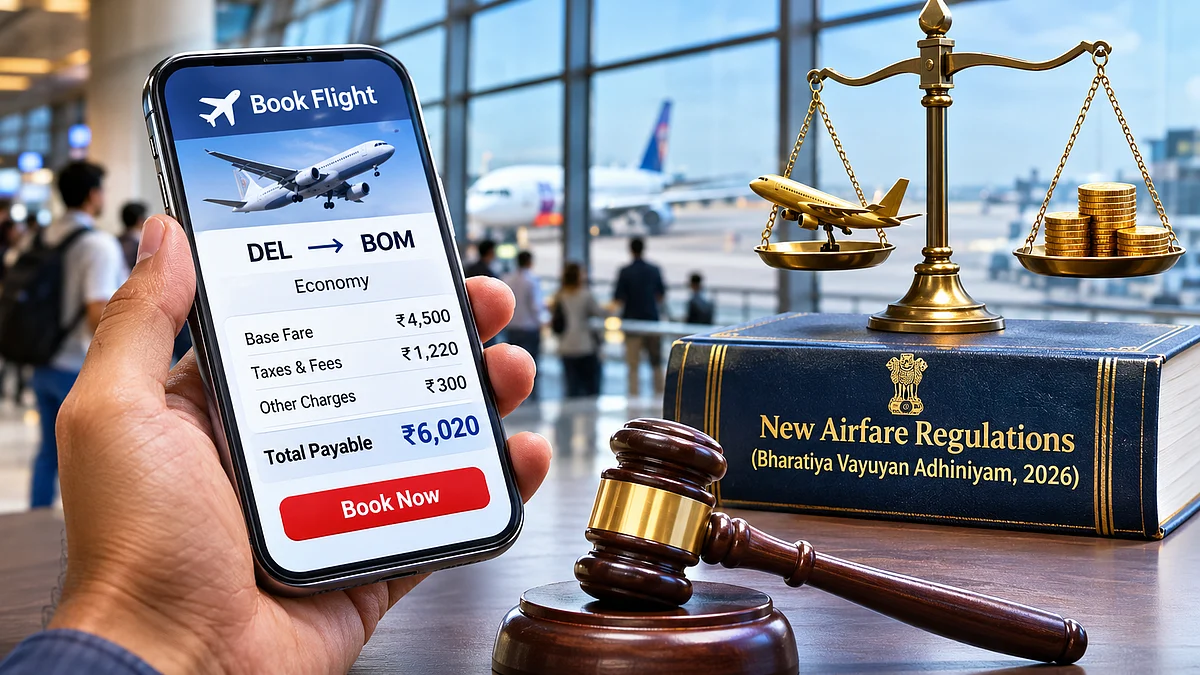
Mumbai: The Central Government has formally warned airlines that it retains the legal authority to step in and cap airfares during extraordinary situations through the updated airfare regulations. However, the regulatory intervention is unlikely to change the situation as it fails to define extraordinary situations. The overhaul also requires airlines to provide consumers with a detailed breakdown of tariffs at the time of booking.
FPJ Report Highlights Over 450% Surge In Domestic Airfares During Festive Season
On Sunday, The Free Press Journal reported that sky-high domestic economy-class airfares have surged by more than 450% over baseline rates during the peak festive travel period. The report described an anomalous market environment in which domestic short-haul daytime flights spiked to rates higher than many international destinations, including London.
According to the submission in the Supreme Court on October 16, the Centre had asserted it would publish the new regulations within two weeks to safeguard air passengers from predatory pricing. The rules – released late Sunday evening – give the Central Government emergency powers to cap airfares.
Government Can Temporarily Limit Airfares In Public Interest During Extraordinary Situations
The new regulations state that, during an extraordinary situation, the government will issue written directions limiting or capping airfares as deemed necessary in the public interest. The intervention will remain strictly proportionate to the prevailing circumstances and will operate only for a designated, temporary period.
Under the Aircraft Rules of 1937, airlines had the autonomy to set airfares based on the operational and economic viability of a particular route. The Ministry of Civil Aviation (MoCA) has consistently held that it refrains from regulating airfares to maintain market competitiveness. However, the new rules notified under the Bharatiya Vayuyan Adhiniyam, 2026, which will apply from 2027, change this historic stance.
Experts Question Undefined Emergency Conditions Amid 462% Delhi-Mumbai Airfare Surge
Industry experts have noted that the rules fail to define or specify which situations can be counted as extraordinary and therefore are unlikely to bring any substantial change. Experts also highlighted that, under the new rules, the government should intervene to cap the skyrocketing airfares during the Diwali season, which have risen by as much as 462% on the heavily operated Delhi-Mumbai route.
Bhiwandi: Diwali Shopping Rush Missing From Markets As Inflation, Gold Price Fluctuations Hit Festive SalesThe revised regulations also require airlines operating scheduled flights to set tariffs based on operational realities, including operating costs. These established tariffs must be formally submitted to the Directorate General of Civil Aviation (DGCA) in the specified form, manner and periodicity, with the aviation watchdog maintaining continuous oversight.
To protect consumer interests and ensure wide public awareness, the regulations have prohibitted hidden costs and compelled carriers to display a complete breakdown of charges on both their digital booking channels and the issued tickets. Accordingly, the tariff shown on booking websites and issued tickets must clearly separate the total payable amount and a complete breakdown detailing the base fare, taxes, fees, cancellation charges, refund conditions, and any supplementary fees.
Notably, the DGCA has previously intervened in exceptional circumstances like the COVID-19 pandemic, Maha Kumbh, the Pahalgam terrorist incident and the IndiGo flight disruptions by redistributing capacity across various sectors and imposing temporary fare caps.
To get details on exclusive and budget-friendly property deals in Mumbai & surrounding regions, do visit: https://budgetproperties.in/
This content is published by Free Press Journal and has not been created or edited by Hello Headlines. View original