Rabi sowing down 46 pc as deficient monsoon dries up soil moisture
New Delhi: Sowing of rabi crops, including wheat, has fallen sharply behind last year’s pace, with the area covered down 46 per cent at 37.56 lakh hectare as of October 30, compared to 69.02 lakh hectare in the same period a year ago, according to data released by the Union Agriculture Ministry.
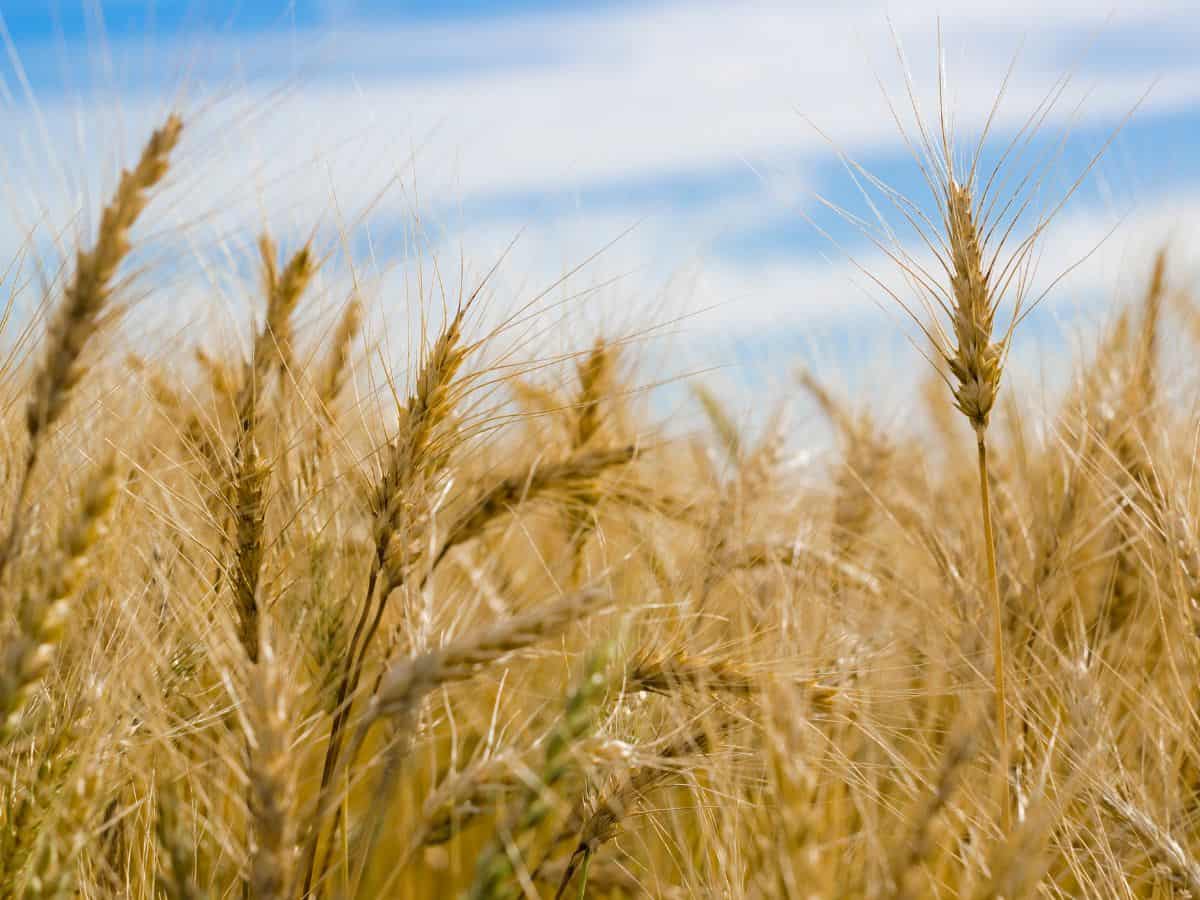
Wheat, the principal rabi crop, was sown over just 19,000 hectare, against 3.34 lakh hectare last year, a shortfall attributed to insufficient soil moisture.
The crop is usually sown in October-November and harvested in March-April.
In the 2025-26 crop year (July-June), wheat was planted on 336 lakh hectare.
According to the weekly data, area under pulses stood at 9.45 lakh hectare, down from 19.56 lakh hectare. Gram acreage fell to 5.90 lakh hectare from 14.35 lakh hectare.
Oilseeds were sown over 20.97 lakh hectare, compared to 38.62 lakh hectare a year ago. Within this, rapeseed and mustard covered 20.50 lakh hectare, against 38.07 lakh hectare.
Coarse cereals were sown over 3.78 lakh hectare, marginally lower than 4.22 lakh hectare last year, while winter-sown paddy covered 3.16 lakh hectare, compared to 3.29 lakh hectare.
Experts said the delay was mainly due to the 13 per cent deficient June-September monsoon, which reduced residual soil moisture before sowing began. Lower irrigation availability is another factor, with reservoir and canal water levels below normal in key wheat-growing states. Wheat requires several rounds of irrigation after planting.
CENTRE’S DIRECTIONS
Chairing a review meeting on Monday, Union Agriculture Minister Shivraj Singh Chouhan directed officials to expedite rabi sowing immediately after the kharif harvest, making optimal use of the available residual moisture.
He said farmers in areas with limited irrigation water should be encouraged to opt for crops that require less water and have lower input costs, such as chana (chickpea), mustard, masoor (lentil) and millets.
Chouhan also asked that climate-resilient and heat-tolerant seeds developed by agricultural scientists be made available to farmers, in view of fluctuations in temperature.
The ministry said there were adequate stocks of urea, DAP, MOP and NPK, along with certified seeds for the rabi season and that supply chains were being managed in coordination with states down to the district level.
An analysis of mandi trends showed that prices of major crops, including paddy, wheat, maize, gram, lentil, arhar (pigeon pea), soybean and mustard, were ruling significantly above the Minimum Support Price (MSP), enabling farmers to get better returns, the ministry added.
Get the latest updates in Hyderabad City News, Technology, Entertainment, Sports, Politics and Top Stories on WhatsApp & Telegram by subscribing to our channels. You can also download our app for Android and iOS.
This content is published by The Siasat Daily and has not been created or edited by Hello Headlines. View original